

2017-2018 Audi A8 & S8 Bose Amplifier: Failure Symptoms and Component Protection Guide
This guide covers common failures, diagnosis, and the critical programming required when replacing the Bose audio amplifier in the 2017-2018 Audi A8 and S8.
- This amplifier is ONLY for 2017-2018 A8/S8 models with the Bose sound system, not standard or B&O.
- Replacing the amplifier REQUIRES programming by a dealer or specialist to remove 'Component Protection'; it will not work properly otherwise.
- The most common cause of failure is water damage from leaks in the trunk area.
- Symptoms include no sound, sound from one side only, battery drain, and MMI screen issues.
Vehicle and Part Compatibility
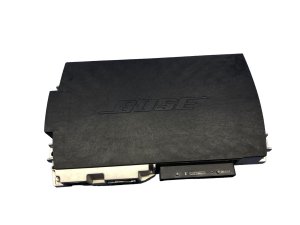
Warning: This amplifier, part numbers 4G1035223 and 4G1035223A, is specifically for 2017-2018 Audi A8 and S8 models equipped with the Bose Surround Sound system. It is not compatible with the standard sound system or the upgraded Bang & Olufsen (B&O) system. Before purchasing, verify your vehicle has the Bose system by checking for 'Bose' logos on the speaker grilles. Always match the part number to your original unit.
Symptoms of a Failing Amplifier
A failing Bose amplifier in the Audi A8 and S8 can cause a range of audio issues. Because it's a critical part of the fiber optic MOST network, its failure can lead to more than just sound problems.
- No Sound at All: The most common symptom is a complete loss of audio from all sources (radio, media, navigation).
- Intermittent Audio: Sound may cut in and out randomly.
- Popping, Crackling, or Static: Loud, unpleasant noises from the speakers, even when the volume is low.
- Sound from Only One Side: Often, a failing amplifier or one with active Component Protection will only play sound from the speakers on the driver's side of the vehicle.
- MMI System Malfunctions: The MMI screen may boot up and then shut down after a few seconds, or freeze entirely. This happens because the failed amplifier breaks the MOST fiber optic loop. 🎬 Watch: How to troubleshoot Audi MMI and audio issues
- Draining the Car Battery: A faulty amplifier can fail to shut down correctly with the rest of the vehicle's systems, causing a parasitic electrical drain that can deplete the battery overnight.
- OBD-II Fault Codes: Diagnostic scans may reveal codes like 02095 - Component Protection Active or 01044 - Control Module Incorrectly Coded.
Known Issues and Common Failure Modes
Water Intrusion
The most frequent cause of failure for this amplifier is water damage. The amplifier is located in the rear of the car, on the right-hand (passenger) side of the trunk, mounted to a bracket. Leaks from clogged sunroof drains, failed trunk seals, or even liquid spills in the trunk can allow water to drip directly onto the amplifier's housing and electrical connectors, causing corrosion and short circuits. Inspecting the area around the amplifier for signs of moisture or corrosion is a critical first step in diagnosis.
Internal Component Failure
Beyond water damage, these amplifiers can also fail due to internal electronic issues like overheating or electrical surges, which can damage delicate processors and other components on the circuit board. Over time, heat cycles and vibration can lead to component failure, though this is less common than water intrusion.
Pro Tip: To help prevent future water damage, ensure your sunroof drains are clear. Some owners place a protective plastic sheet or bag over the newly installed amplifier, being careful not to block any cooling fans or ventilation.
Programming and Component Protection: The #1 Challenge
You cannot simply swap a used amplifier into your Audi A8 or S8 and expect it to work. These modules are protected by an anti-theft system called Component Protection (CP). The amplifier is electronically 'paired' to the original vehicle's VIN. When an amplifier from another vehicle is installed, the system detects the mismatch and activates Component Protection, which severely limits its function. Typically, you will only have audio from the front driver's side speaker, and a fault code will be stored.
To restore full functionality, the Component Protection must be removed. This process involves 'adapting' the replacement amplifier to your vehicle's VIN and requires a special online connection to Audi's factory servers.
🎬 See how Component Protection is removed on Audi vehicles- Who can remove Component Protection? This procedure must be performed by an Audi dealership or a qualified independent European auto specialist who has a subscription to Audi's ODIS (Offboard Diagnostic Information System) and GEKO online services.
- Can it be done with VCDS? No, standard diagnostic tools like VCDS (VAG-COM) cannot remove Component Protection.
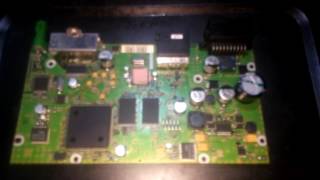
- What about DIY? While there are highly technical DIY methods involving swapping EEPROM chips from the old board to the new one, this requires advanced soldering skills and carries a high risk of damaging both units. For most owners, professional programming is the only viable option.
Buying a Used Audio Amplifier
Given the high cost of a new OEM amplifier, a used unit is an excellent value. However, it's crucial to buy wisely to avoid complications.
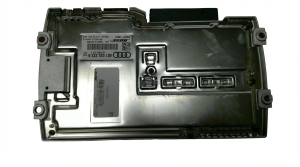
- Verify the Part Number: Double-check that the part number on the used amplifier is 4G1035223A or the earlier 4G1035223. The 'A' revision is generally preferred.
- Inspect for Corrosion: Carefully examine the casing and, most importantly, the electrical connector pins for any signs of white or green corrosion. This is a clear indicator of past water damage, and you should reject the part.
- Buy from a Reputable Source: Purchase from a seller that offers a warranty and has good feedback. This provides protection if the unit is dead on arrival.
- Budget for Programming: Remember that the cost of the part is not the final cost. You MUST factor in the expense of having Component Protection removed by a dealer or specialist shop. Call ahead to get a quote for this service.
- Avoid Cheap Knock-Offs: Be wary of new, unbranded amplifiers sold online. These are often poor-quality replicas that may fail quickly and will still require programming. A quality used OEM part is a much safer choice.
Cost Comparison
| Part Type | Estimated Cost |
|---|---|
| New OEM | $1,450 - $1,950 |
| Used OEM | $50 - $250 |
| Remanufactured / Repair Service | $300 - $700 |
| Shop Labor (Installation) | $100 - $200 |
| Shop Labor (Component Protection Removal) | $150 - $300 |
Replacement Overview
Physically replacing the amplifier is a straightforward task for a DIYer with basic tools. The main challenge is the subsequent programming.
- Location: The amplifier is in the trunk, on the right (passenger) side, behind the trim panel.
- Access: The trunk floor and side trim panels must be removed to gain access to the amplifier and its mounting bracket.
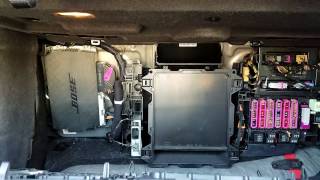
- Removal: Disconnect the main electrical harness and the fiber optic cables. Unbolt the amplifier from its mounting bracket (typically 10mm bolts). 🎬 Watch this step-by-step guide to removing the amplifier
- Installation: Installation is the reverse of removal. Be very careful with the fiber optic cables, as they are fragile.
Recalls and Technical Service Bulletins (TSBs)
As of mid-2024, there are no specific recalls or TSBs from Audi or the NHTSA directly addressing widespread failure of the Bose amplifier for the 2017-2018 A8 and S8. Most issues are related to individual component failures, often from water damage. One recall (20V397000) exists for the 2013-2018 A8/S8 concerning a loose engine compartment seal, but this is unrelated to the trunk-mounted amplifier.
Frequently Asked Questions (FAQ)
Can I install a used amplifier myself?
Yes, the physical installation is relatively simple and involves removing trunk trim to access the unit. However, the car will have limited or no audio until you take it to a dealer or specialist to have the Component Protection removed.
What is Component Protection?
Component Protection is an anti-theft feature used by Audi that links electronic modules, like the amplifier, to the car's original VIN. If you install a part from another car, this system activates and restricts the part's function until it is officially adapted to your vehicle by a certified technician with online access to Audi's servers.
My sound only works on the driver's side. Is the amplifier bad?
This is a classic symptom of Component Protection being active. It means the amplifier is likely functional but needs to be programmed to your car's VIN to restore sound to all speakers.
How can I tell if my A8 or S8 has the Bose system?
The easiest way is to look for the 'Bose' logo on the speaker grilles, particularly on the front door speakers or the rear subwoofer grille. The standard and Bang & Olufsen systems will not have this branding.
Helpful Videos
Technical Specifications
OEM Part Numbers: 4G1035223 4G1035223A
10-channel Digital Signal Processing (DSP) amplifier for Bose Surround Sound system. Communicates via fiber optic MOST bus.
We Have This Part in Stock



The information in this article is provided for general reference and educational purposes only. Vehicle specifications, procedures, and part compatibility can vary by production date, trim level, and region. Always consult your vehicle's factory service manual and verify part numbers before purchasing or performing repairs. Safety-critical components such as airbags, seat belts, and braking systems should be installed by a qualified professional.
- Audi A8:
- Audi S8:
- 🎬 Helpful Videos
- 🛍️ Shop This Part
- Vehicle and Part Compatibility
- Symptoms of a Failing Amplifier
- Known Issues and Common Failure Modes
- Water Intrusion
- Internal Component Failure
- Programming and Component Protection: The #1 Challenge
- Buying a Used Audio Amplifier
- Cost Comparison
- Replacement Overview
- Recalls and Technical Service Bulletins (TSBs)
- Frequently Asked Questions (FAQ)
- 🎟️ Get 5% Off