

2015-2020 Acura TLX Amplifier: Fixing Popping Noises, No Sound & Compatibility Issues
This guide covers common failure symptoms, replacement costs, and crucial compatibility details for the 2015-2020 Acura TLX audio amplifier.
- A popping or crackling noise is a very common failure symptom, often related to loose fiber optic connectors as noted in Acura TSBs for similar models.
- Part numbers MUST be matched exactly. Amplifiers differ between models with and without navigation, especially from 2018-2020.
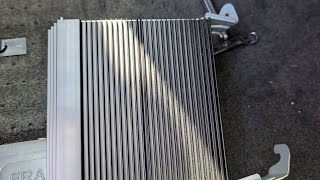
- The amplifier is located in the passenger footwell, behind the kick panel, making it reasonably accessible for DIY replacement.
- While replacement is straightforward, be prepared for a potential dealer visit for programming or software updates to ensure full functionality and resolve known bugs.
Known Issues, TSBs, and Recalls
A widespread issue for Acura vehicles, including the TLX, is a popping or crackling sound from the speakers, which may be accompanied by the audio display going blank or showing a "Network Loss" message. While many of the Technical Service Bulletins (TSBs) specifically mention 2021 and newer models, the root cause is often related to loose connections in the MOST bus network (the fiber optic system that connects audio components). For example, Acura TSB 21-032 addresses this exact problem by having technicians install an improved FAKRA connector set to secure the connections. Owners of 2015-2020 models experiencing these symptoms may be facing a similar connection issue or an internal amplifier failure. There are no specific recalls for the audio amplifier on these models as of this writing.
Symptoms of a Failing Acura TLX Audio Amplifier
When the amplifier begins to fail, you may notice several distinct issues with your car's sound system. Here are the most common symptoms:
- Popping or Crackling Sounds: This is one of the most frequently reported problems. The noise can occur randomly and may worsen on bumpy roads, suggesting a loose connection either internally or in the vehicle's wiring.
- No Sound From Speakers: The most obvious sign of a complete amplifier failure is when the radio turns on, but no sound comes from any of the speakers.
- Distorted or Fuzzy Audio: If the music sounds unclear, fuzzy, or distorted even at normal volume levels, it often points to failing internal components within the amplifier that can no longer regulate power correctly.
- Audio Cutting Out: The sound may work intermittently, cutting out and then returning without warning. This can be frustrating and often points to a developing fault in the amplifier's circuitry.
- One or More Speakers Not Working: If a specific channel or speaker stops working, it could be the speaker itself, but it can also be a sign of a failed channel within the amplifier.
Pro Tip: Before assuming the amplifier is bad, always check the audio system fuses first. A simple blown fuse can cause a total loss of sound and is much easier and cheaper to fix.
Buying a Used 2015-2020 TLX Amplifier: What to Know
Purchasing a used OEM amplifier is often the most cost-effective way to restore your sound system. However, careful verification is essential to ensure you get the right part.
1. Match the Part Number EXACTLY
This is the most critical step. Acura used different amplifiers depending on the vehicle's year, trim level, and optional features. For 2018-2020 models, there are distinct amplifiers for vehicles with and without the factory navigation system. Using the wrong amplifier may result in it not working at all.
- Amplifier for models WITHOUT Navigation: Part numbers include 39186-TZ3-A02.
- Amplifier for models WITH Navigation: Part numbers include 39186-TZ3-A13.
Always confirm the part number on your vehicle's original amplifier before purchasing a replacement. The amplifier is located in the passenger-side footwell, behind the kick panel and glove box area.
🎬 Watch this quick video showing the TLX factory amp location2. Inspect for Physical Damage
When buying a used unit, visually inspect it for any signs of damage. Look for corrosion on the connectors, which could indicate water intrusion. Check the casing for dents or cracks. A clean, undamaged unit is more likely to function correctly.
3. Why Used OEM is a Smart Choice
For a complex electronic module like this, a used OEM (Original Equipment Manufacturer) part is generally superior to aftermarket alternatives. Aftermarket amplifiers that are truly plug-and-play for the TLX's specific systems are rare or non-existent. A used OEM unit from a reputable recycler ensures proper fitment and integration with the vehicle's existing wiring and head unit.
Programming and Installation
While some sources suggest a replacement amplifier may be plug-and-play, others indicate that programming may be required for the unit to function correctly with the vehicle. Furthermore, if your vehicle is experiencing the common popping/crackling issue, a software update performed by an Acura dealer might be part of the complete repair procedure, even after replacing the hardware. Because of the MOST fiber optic network, it is best to assume that a visit to a dealer or a qualified independent shop with Acura-specific diagnostic tools (like the Honda Diagnostic System or HDS) may be necessary after installation.
Warning: Do not attempt to upgrade from a base audio system to an ELS premium system simply by swapping the amplifier. The systems use different speakers, wiring, and potentially head units, and are not interchangeable.
Replacement Cost Comparison
The cost to replace a TLX audio amplifier can vary significantly based on the part source and labor.
| Part Source | Estimated Cost |
|---|---|
| New OEM | $610 - $950 |
| New Aftermarket | Not commonly available |
| Used OEM | $45 - $225 |
| Shop Labor | $100 - $200 |
Frequently Asked Questions (FAQ)
Where is the audio amplifier located on a 2015-2020 Acura TLX?
The factory audio amplifier is located in the front passenger footwell. You will need to remove the panel under the glove box and the right-side kick panel to access it. It is mounted by three 10mm bolts.
Does a replacement Acura TLX amplifier need to be programmed?
It is highly recommended to be prepared for programming. While it may function on a plug-and-play basis, some modules require programming to the vehicle to work correctly. Additionally, software updates related to common audio issues may need to be performed by a dealer.
Why is my Acura TLX stereo making a popping or crackling noise?
This is a very common problem often caused by a loose connection in the vehicle's fiber optic (MOST) network. Acura has issued Technical Service Bulletins (TSBs) for this issue on similar models, which involves replacing the connectors. It can also be a symptom of an internal failure in the amplifier itself.
Can I fix my broken amplifier instead of replacing it?
For some older models, repairing amplifiers by replacing failed internal capacitors was a common DIY fix. However, for the 2015-2020 TLX, this is less common and more complex. Given the reasonable price of used OEM units, replacement is typically the more practical and reliable solution.
Helpful Videos
Technical Specifications
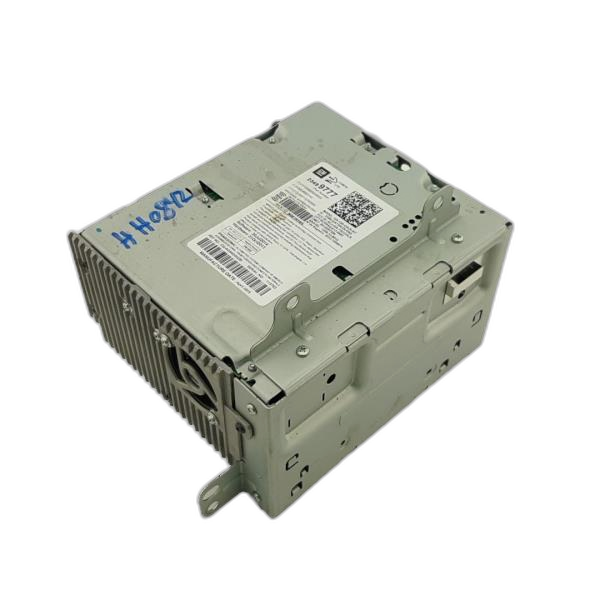
OEM Part Numbers: 39186-TZ3-A02 39186-TZ3-A13 39186TZ3A01 39186TZ3A03 39186-TZ3-A10 39186-TZ3-A11 39186-TZ3-A12
The amplifier is part of the MOST (Media Oriented Systems Transport) fiber optic network. It receives a low-level signal from the head unit and provides powered output to the vehicle's speakers. Specific power ratings vary between the base and ELS premium systems.
We Have This Part in Stock




The information in this article is provided for general reference and educational purposes only. Vehicle specifications, procedures, and part compatibility can vary by production date, trim level, and region. Always consult your vehicle's factory service manual and verify part numbers before purchasing or performing repairs. Safety-critical components such as airbags, seat belts, and braking systems should be installed by a qualified professional.
- Acura TLX:
- 🎬 Helpful Videos
- 🛍️ Shop This Part
- Known Issues, TSBs, and Recalls
- Symptoms of a Failing Acura TLX Audio Amplifier
- Buying a Used 2015-2020 TLX Amplifier: What to Know
- 1. Match the Part Number EXACTLY
- 2. Inspect for Physical Damage
- 3. Why Used OEM is a Smart Choice
- Programming and Installation
- Replacement Cost Comparison
- Frequently Asked Questions (FAQ)
- 🎟️ Get 5% Off