

2005-2006 Cadillac STS Anti-Theft Module: Solving 'Service Theft System' & No-Start Issues
This guide explains the common failures, programming requirements, and replacement procedure for the anti-theft control module in your 2005-2006 Cadillac STS.
- A replacement module MUST be programmed to the vehicle's keys. This can often be done without a scan tool using the 30-minute manual relearn procedure.
- The most common symptoms of failure are a "Service Theft System" message and a crank-no-start or start-and-stall condition.
- Before replacing the module, rule out simpler issues like a weak car battery, a dead key fob battery, or a faulty key.
- The physical replacement is difficult as the module is located deep within the dashboard, making professional installation a wise choice for most owners.
Symptoms of a Failing Anti-Theft Module
A faulty anti-theft module in the 2005-2006 Cadillac STS will typically prevent the vehicle from starting. Before assuming the module is bad, always ensure your car battery is fully charged and the battery in your key fob is fresh, as low voltage can cause similar symptoms.
- "Service Theft System" Message: The most common indicator is a message appearing on the Driver Information Center (DIC).
- Engine Will Not Crank or Starts and Immediately Stalls: The vehicle may not respond at all when you turn the key, or the engine might fire for a second and then immediately shut off as the immobilizer cuts fuel.
- Flashing Security Light: The small indicator light with a car and lock icon on the instrument cluster may flash or remain illuminated when you try to start the car.
- Key Fob Unresponsive: Since the module also handles remote functions, you may find that the lock, unlock, and remote start buttons on your key fob stop working.
Known Issues, Recalls, and Technical Service Bulletins (TSBs)
As of this writing, there are no specific recalls or widespread Technical Service Bulletins (TSBs) from General Motors for the failure of the anti-theft module itself on the 2005-2006 STS. However, it's important to be aware of related issues:
- Recall 05111: Some 2005-2006 STS models were recalled for a software issue in the Powertrain Control Module (PCM) that could cause an engine stall due to an inaccurate fuel gauge reading. While not directly related to the theft system, it's a known electronic issue for this vehicle.
- Ignition Switch and Wiring: On many GM vehicles, the wires leading from the ignition lock cylinder down the steering column can become worn or broken over time. This can prevent the module from reading the key's transponder chip, perfectly mimicking the symptoms of a failed module. A thorough diagnosis should include checking these components.
Warning: The initial data for this part suggested it was for vehicles without a keyless entry system. Research confirms this is incorrect. The module is explicitly the "Receiver, Remote Control Door Lock & Theft Deterrent". However, different part numbers exist based on vehicle options like remote start. Always match the part number from your original module.
Buying a Used Anti-Theft Control Module
A used OEM module is an excellent, cost-effective alternative to a new part, which may be expensive or discontinued. When purchasing a recycled module, follow these guidelines:
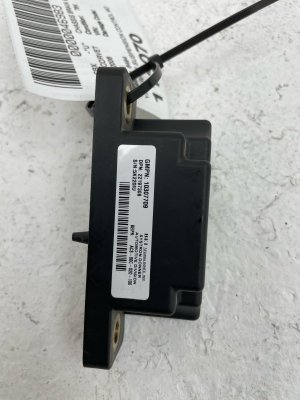
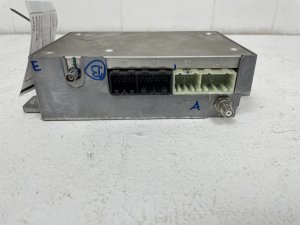
- Verify the Part Number: This is the most critical step. Several part numbers were used for these vehicles, likely depending on options like remote start. You must match the number on your old module exactly. The most common superseding part number is 15779423.
- Inspect for Damage: Check the casing for any cracks or signs of water intrusion. Ensure all connector pins are straight and free of corrosion.
- Understand Programming is Required: A used module is not a plug-and-play part. It must be programmed to your vehicle. However, this can often be done without a trip to the dealer using a manual relearn procedure (detailed below).
- Why Used OEM is a Good Choice: For electronic modules like this, a used OEM part is often more reliable than a new aftermarket alternative. The hardware is built to GM's original specifications and is proven to work with the vehicle's complex systems, provided it is programmed correctly.
Programming and Installation
Replacing the anti-theft module requires both physical installation and electronic programming. Failure to program the module will result in a no-start condition.
Module Location and Replacement
The anti-theft module is typically located deep within the dashboard, often near the Body Control Module (BCM). Accessing it is a labor-intensive job that requires removing the glove box, various dash panels, and potentially the instrument cluster or even the steering column. Due to the complexity, this is a job best left to experienced DIY mechanics or a professional shop. The labor difficulty is high.
Programming: The Critical Step
Once the new or used module is installed, it must learn your vehicle's specific keys. You can often do this yourself using the GM 30-Minute Security Relearn Procedure.
- Turn the ignition key to the 'ON' position (do not start the engine).
- Observe the security light on the dash. It will likely be illuminated. Wait for approximately 10 minutes, or until the security light turns off.
- Turn the ignition key to 'OFF' for 5-10 seconds.
- Repeat steps 1-3 two more times, for a total of three 10-minute cycles.
- After the third cycle, the module should have learned your key's transponder code. Turn the key to 'OFF', then try to start the vehicle. It should now start and run normally.
Pro Tip: During the 30-minute relearn procedure, connect a battery charger to your vehicle. The process will fail if the battery voltage drops too low.
If the manual relearn procedure does not work, or if you are programming brand new keys, a professional scan tool (like a GM Tech 2) will be required to perform the setup and programming. An independent shop with advanced diagnostic tools or a GM dealership can perform this service.
Cost to Replace the Anti-Theft Module
Costs can vary significantly based on the price of the part and local labor rates.
| Item | Estimated Cost |
|---|---|
| New OEM Module | $250 - $400+ (if available) |
| Used OEM Module | $30 - $75 |
| Shop Labor (Diagnosis) | $60 - $90 |
| Shop Labor (Replacement & Programming) | $200 - $400+ (Varies by shop and dash removal complexity) |
| Total Professional Replacement (with New Part) | $530 - $620+ |
Frequently Asked Questions (FAQ)
Does a replacement anti-theft module for my STS have to be programmed?
Yes, absolutely. The module is a core part of the security system and will not allow the car to start until it is programmed to recognize your specific keys. You can often perform this programming yourself using the 30-minute relearn procedure.
Why does my car say "Service Theft System" but still start sometimes?
This can indicate an intermittent problem. The issue could be with the module itself, a failing transponder in your key, or a loose wire in the steering column. When the connection is good, the car starts; when it fails, you get the warning. It's a sign that you should get the system diagnosed before it fails completely and leaves you stranded.
Can I do this job myself?
The programming (30-minute relearn) is very DIY-friendly. However, the physical replacement of the module can be very difficult, as it is often buried deep in the dashboard. This part of the job is recommended for advanced DIYers or professionals.
How do I know if the module is bad and not just my key?
The best way to know for sure is with a professional scan tool that can read codes from the Body Control Module (BCM) and Theft Deterrent Module. However, a simple test is to try your spare key. If the spare key works reliably, the problem is likely with your primary key's transponder chip, not the module in the car.
Technical Specifications
OEM Part Numbers: 10385046 15212388 15259522 15779423 25730083
Functions as the receiver for the GM Pass-Key III (or similar) transponder immobilizer system and the Remote Keyless Entry (RKE) system.
We Have This Part in Stock



The information in this article is provided for general reference and educational purposes only. Vehicle specifications, procedures, and part compatibility can vary by production date, trim level, and region. Always consult your vehicle's factory service manual and verify part numbers before purchasing or performing repairs. Safety-critical components such as airbags, seat belts, and braking systems should be installed by a qualified professional.
- Cadillac STS:
- 🛍️ Shop This Part
- Symptoms of a Failing Anti-Theft Module
- Known Issues, Recalls, and Technical Service Bulletins (TSBs)
- Buying a Used Anti-Theft Control Module
- Programming and Installation
- Module Location and Replacement
- Programming: The Critical Step
- Cost to Replace the Anti-Theft Module
- Frequently Asked Questions (FAQ)
- 🎟️ Get 5% Off