

2012 Toyota Sequoia ABS Actuator: Part Number Matching and Zero Point Calibration Guide
This definitive guide explains why matching the part number on your 2012 Sequoia's ABS actuator is critical and how to perform the required calibration after replacement.
- You MUST match the OEM part number on your original ABS actuator to the replacement unit. Compatibility depends on vehicle options like air suspension.
- After installation, a 'Zero Point Calibration' is required. This can be done by a shop with Toyota's Techstream software or by an advanced DIYer using the 'paperclip method' on the OBD-II port.
- A used OEM actuator is a viable option, costing significantly less ($250-$600) than a new OEM unit ($1000-$1900+).
- Before replacing the actuator, rule out simpler causes for ABS lights, such as a bad brake light switch (code C1249) or low battery voltage (code C1241).
Symptoms of a Failing 2012 Sequoia ABS Actuator


A problem with the ABS actuator assembly will almost always trigger a combination of warning lights on your dashboard. You should treat these lights as a serious safety concern.
- ABS, VSC, and Traction Control Lights On: This is the most common symptom. When the ABS module fails its self-test, it disables these safety systems and illuminates the warning lights.
- Unresponsive or Spongy Brake Pedal: The pedal may feel soft, require more effort to press, or feel like it's not building enough pressure to stop the vehicle effectively.
- Hard Brake Pedal: Conversely, a failure in the hydraulic portion can make the pedal feel unusually hard to push.
- Wheels Locking Up: During a hard stop, especially on wet or loose surfaces, the wheels may lock and skid because the anti-lock function is disabled.
- Pump Motor Noise: You may hear a buzzing or electric motor sound from under the hood that runs continuously or for long periods after the vehicle is shut off. This indicates the pump is struggling to maintain pressure.
Common Diagnostic Trouble Codes (DTCs)
Using an OBD-II scanner that can read ABS codes is the best way to diagnose the problem. Look for the following codes:
- C1223 - ABS Control System Malfunction: A general code indicating the module has detected an internal fault.
- C1252 / C1256 - Hydro-Booster Pump Motor / Accumulator Low Pressure: These codes point directly to a failure of the electric pump motor inside the actuator assembly, which is a common failure point.
- C1241 - Low or High Battery Positive Voltage: Before condemning the ABS module, check this code. A weak battery or failing alternator can cause voltage drops that trigger ABS faults. Resolving the power supply issue may clear the ABS lights.
- C1249 - Stop Lamp Switch Circuit Open: A faulty brake light switch is a simple, inexpensive part that can cause the ABS, VSC, and TRAC lights to illuminate. Always investigate this possibility before replacing the entire actuator.
Pro Tip: If you have code C1241, fully charge and test your battery before assuming the ABS module is bad. Many ABS faults on Toyota vehicles are caused by simple low voltage issues.
Known Issues, Recalls, and TSBs
As of mid-2026, there are no specific recalls from the NHTSA for the ABS brake actuator assembly on the 2012 Toyota Sequoia. Existing recalls for this model year relate to incorrect weight rating labels (NHTSA 13V123), seat accessories interfering with the airbag system (NHTSA 13V014), and potential power steering gear leaks (NHTSA 21V-920). These do not pertain to the ABS unit itself.
Buying a Used 2012 Sequoia ABS Actuator: Critical Checks
Due to the high cost of a new OEM unit, a used ABS actuator is a popular and cost-effective choice. However, careful selection is essential for compatibility.
The #1 Rule: Match the Part Number
The single most important step is to physically inspect the ABS actuator in your vehicle and match the OEM part number exactly. Toyota used several different actuators for the 2012 Sequoia based on specific vehicle options.
Warning: Do not buy a replacement based on year and model alone. There are multiple part numbers for the 2012 model year. You MUST match the number printed on your original part. Common part numbers include 44050-0C441, 44050-0C442, 44050-0C451, and others. Part number 44050-0C452 is a later replacement for 44050-0C451.
The primary reason for the different part numbers is the presence of optional features like the factory air ride suspension. An actuator for a vehicle with air suspension will not work correctly on a vehicle without it, and vice-versa. The production date of the vehicle (e.g., through June 2012 or August 2012) is less important than matching the part number stamped on the unit itself.
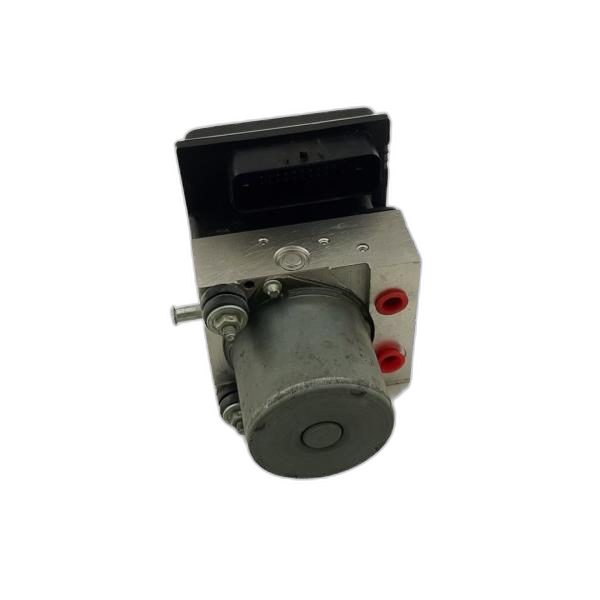
What to Inspect on a Used Unit
- Check for Corrosion: Inspect the aluminum housing and the electrical connector pins for any heavy corrosion or water damage.
- Intact Connectors: Ensure the main electrical connector and the brake line ports are clean and undamaged. A unit that has been handled roughly during removal can have cracked plastic or stripped threads.
- Donor Vehicle Information: If possible, get the VIN of the donor vehicle. This can help verify the original options and ensure you're getting a compatible part.
Programming and Calibration: What's Required After Installation?

Yes, after installing a replacement ABS actuator, a calibration procedure is required. This is not programming or flashing in the traditional sense, but a Zero Point Calibration for the Vehicle Stability Control (VSC) system. This procedure tells the new module the 'zero' position for the steering angle sensor, yaw rate sensor, and deceleration sensor, ensuring the VSC system works correctly.
Method 1: Dealer/Shop (Techstream Software)
A Toyota dealer or independent shop with Toyota's Techstream diagnostic software can perform the Zero Point Calibration electronically. This is the official and most reliable method.
Method 2: DIY "Paperclip Method"
For the advanced DIYer, it is possible to perform the Zero Point Calibration without a scan tool. This involves using a paperclip or jumper wire to connect specific terminals in the OBD-II port under the dashboard.
Warning: This is an advanced procedure. Attempt it at your own risk. Incorrectly jumping pins could potentially damage vehicle electronics. The specific pins are TS (pin 12) and CG (pin 4).
- Park the vehicle on a level surface with the steering wheel pointed straight ahead.
- Turn the ignition OFF.
- Use a jumper wire or two paperclips to short terminals TS and CG of the OBD-II port.
- Turn the ignition ON (do not start the engine). Wait for the ABS/VSC lights to start blinking rapidly.
- The exact sequence can vary, but typically involves tapping the jumper wires together or pressing a vehicle button a specific number of times to clear old data and then store the new zero point. Search for videos detailing the "Toyota Zero Point Calibration paperclip method" for your specific model generation for a visual guide.
Replacement Cost Comparison
The cost of replacing a 2012 Sequoia ABS actuator varies significantly depending on the part source.
| Part Source | Estimated Cost |
|---|---|
| New OEM | $1,000 - $1,900+ |
| Used OEM | $250 - $600 |
| Remanufactured | Not commonly available. |
| Shop Labor | $200 - $300 |
Note: Prices are estimates as of late 2026 and can vary based on supplier and part number.
Frequently Asked Questions (FAQ)
Can I drive my 2012 Sequoia with a bad ABS actuator?
Yes, but with significant risk. Your standard hydraulic brakes will still function, but you will not have Anti-lock Brakes (ABS), Vehicle Stability Control (VSC), or Traction Control. This means your wheels can lock up during a panic stop, increasing the risk of skidding and losing steering control, especially on slippery roads. It is strongly recommended to have the vehicle repaired as soon as possible.
Do I need a dealer to do the Zero Point Calibration?
No, it is not strictly necessary. While a dealer using Techstream software is the official method, many DIY mechanics have successfully performed the Zero Point Calibration using the "paperclip method" by jumping pins on the OBD-II port. This can save you a trip to the shop if you are comfortable with the procedure.
My ABS light is on. Could it be something other than the actuator?
Absolutely. Before replacing the expensive actuator, check for simpler issues. A common cause is a faulty brake light switch (Code C1249). Another frequent culprit is a weak battery or failing alternator causing low system voltage (Code C1241). A single faulty wheel speed sensor can also disable the entire system. Always perform a full diagnostic scan to pinpoint the exact fault code.
Is a used ABS actuator from a Toyota Tundra compatible?
Often, yes. The second-generation Sequoia shares its platform and many parts with the Toyota Tundra of the same era. A used ABS actuator from a Tundra can be a compatible donor part, but you must still follow the primary rule: the OEM part number on the Tundra unit must be an exact match to the one on your Sequoia's original actuator.
Technical Specifications
OEM Part Numbers: 44050-0C441 44050-0C442 44050-0C451 44050-0C452 440500C441 440500C451 44510-0C101 44510-0C441
Assembly includes ABS pump, electronic control module, and hydraulic modulator. Compatibility is dependent on vehicle options, primarily the presence of factory air ride suspension.
We Have This Part in Stock

The information in this article is provided for general reference and educational purposes only. Vehicle specifications, procedures, and part compatibility can vary by production date, trim level, and region. Always consult your vehicle's factory service manual and verify part numbers before purchasing or performing repairs. Safety-critical components such as airbags, seat belts, and braking systems should be installed by a qualified professional.
- Toyota Sequoia:
- 🛍️ Shop This Part
- Symptoms of a Failing 2012 Sequoia ABS Actuator
- Common Diagnostic Trouble Codes (DTCs)
- Known Issues, Recalls, and TSBs
- Buying a Used 2012 Sequoia ABS Actuator: Critical Checks
- The #1 Rule: Match the Part Number
- What to Inspect on a Used Unit
- Programming and Calibration: What's Required After Installation?
- Method 1: Dealer/Shop (Techstream Software)
- Method 2: DIY "Paperclip Method"
- Replacement Cost Comparison
- Frequently Asked Questions (FAQ)
- 🎟️ Get 5% Off