

2024-2026 Tesla Model 3 & 2025-2026 Model Y Ambient Temp Sensor: Why Your A/C and Temp Display Are Wrong
A guide to diagnosing and replacing the faulty exterior temperature sensor that causes incorrect display readings and climate control problems on the refreshed Model 3 and Model Y.
- A faulty ambient air temperature sensor is the primary cause of incorrect outside temperature readings and poor automatic A/C performance.
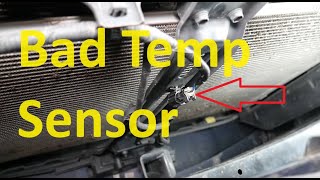
- The sensor is located at the front of the car, clipped to the grille, and is easily accessed by removing the frunk tub, making it a very simple DIY repair (Difficulty: 1/5).
- Failures are often caused by water intrusion from rain or car washes; inspect the wiring and connector for corrosion, as this is a known issue on Teslas.
- This is the EXTERIOR sensor for the climate system, not an interior cabin sensor or a part of the dashboard's ambient lighting system.
What is the Ambient Air Temperature Sensor?

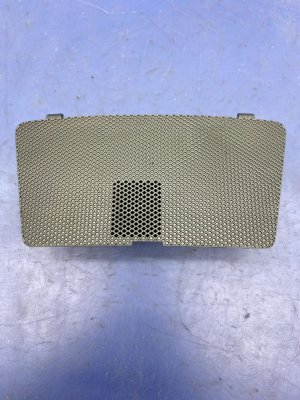
Compatibility Note: This article is about the exterior ambient air temperature sensor, which is located at the front of the vehicle. It is not the interior cabin temperature sensor, nor is it related to dashboard trim pieces that may feature ambient lighting. The part numbers 171650220B and 182065020B are for dashboard trim pieces and are not the correct part numbers for the ambient air temperature sensor.
The ambient air temperature sensor on the 2024-2026 Tesla Model 3 and 2025-2026 Tesla Model Y is a simple thermistor—a resistor that changes its resistance value based on the surrounding temperature. This sensor is mounted at the very front of the car to get an accurate reading of the outside air. The vehicle's computer sends a small voltage to the sensor and reads the return signal, which it translates into a temperature value. This value is then shown to the driver and used as a key input for the automatic climate control logic.
Symptoms of a Failing Ambient Air Temperature Sensor


When this sensor fails, it can cause some confusing symptoms. Because the part is electronic, it can fail completely, or it can start sending incorrect or erratic signals.
- Incorrect Temperature Display: This is the most obvious sign. The temperature shown on your center screen will be wildly inaccurate. It might be stuck on a single value, or it may show an impossible temperature, like -40°F or over 120°F.
- Erratic Temperature Fluctuations: The displayed temperature may jump around randomly, changing every few seconds without any logical reason.
- Automatic Climate Control Malfunction: With bad data, the 'Auto' setting for your A/C and heat will not work correctly. On a hot day, the car might think it's freezing outside and refuse to run the A/C, or it may only blow warm air. Conversely, on a cold day, it might not activate the heat properly.
- Delayed or Weak A/C Response: 🎬 Watch: How a bad sensor affects your A/C performance The system may take much longer than usual to start cooling the cabin because it doesn't recognize how hot it is outside.
Pro Tip: Owners of previous Tesla models have reported that the wiring harness leading to the sensor can become corroded from road salt and water spray, causing the same symptoms as a failed sensor. If a new sensor doesn't fix the issue, inspect the connector and wiring for any green or white corrosion.
Known Issues, TSBs, and Recalls
As of mid-2026, there are no specific recalls or Technical Service Bulletins (TSBs) from Tesla or the NHTSA for the ambient air temperature sensor on the 2024-2026 Model 3 or 2025-2026 Model Y. These vehicles are still relatively new, so long-term issues have not been widely documented. However, failures after water exposure, such as driving in heavy rain or using a car wash, have been reported by owners of similar models, suggesting the sensor or its connector can be vulnerable to moisture.
Buying a Used Ambient Air Temperature Sensor
For a simple electronic part like this, a used OEM sensor is an excellent, budget-friendly choice. Aftermarket versions may not have the same exact resistance curve as the original, potentially leading to slightly inaccurate readings.
- Physical Inspection: Before buying, look closely at the sensor's plastic housing. Check for any cracks, which could allow water to get inside. Most importantly, inspect the electrical connector pins. They should be straight, clean, and free of any corrosion or damage.
- Verify Compatibility: While an official part number for the 2024+ sensor is not widely published, a sensor from any refreshed Model 3 (Highland) or new Model Y (Juniper) should be compatible. The sensor itself is a simple, standardized component.
- Mileage: Mileage is not a significant factor for this part. Failure is almost always due to moisture, corrosion, or physical damage, not wear and tear from use. A part from a low-mileage vehicle is always preferable but not essential.
- Red Flags: Avoid any sensor with visible corrosion on the electrical pins. This is the most common failure point and a clear sign the part is no good.
Cost Comparison
Replacing the ambient air temperature sensor is an inexpensive repair, especially if you do it yourself.
| Part/Service | Estimated Cost |
|---|---|
| New OEM Sensor | $30 - $60 |
| New Aftermarket Sensor | $15 - $35 |
| Used OEM Sensor | $10 - $25 |
| Shop Labor | $50 - $125 |
Replacement Guide (DIY Difficulty: 1/5)

Replacing the ambient air temperature sensor on the 2024+ Model 3 and 2025+ Model Y is very easy and requires no special tools. The sensor is located in the same accessible spot on both vehicles.
Location: The sensor is clipped to the active grille shutter assembly, which sits at the front of the car behind the bumper cover but in front of the radiator. It is accessible after removing the underhood storage unit (frunk tub).
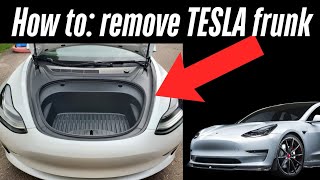
🎬 See how to remove the front trunk tub- Remove the Underhood Storage Unit: Open the frunk. Remove the covers and bolts/clips holding the main frunk tub in place, then lift the tub out of the vehicle.
- Locate the Sensor: Look down toward the front of the vehicle at the grille/radiator area. You will see the small sensor clipped in place with a wire running to it.
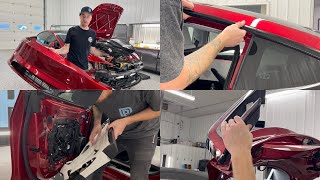
- Disconnect and Remove: Press the tab on the electrical connector to unplug it. Then, release the clip holding the sensor to the grille shutter and remove the old sensor. 🎬 Watch this step-by-step sensor replacement walkthrough
- Install the New Sensor: Clip the new sensor into place on the shutter, then plug in the electrical connector until it clicks.
- Reassemble: Reinstall the frunk tub and its associated covers and hardware. The car does not require any special programming or calibration for the new sensor to work.
Frequently Asked Questions
Where is the ambient air temperature sensor on a 2024 Model 3 or 2025 Model Y?
It is located at the front of the vehicle, clipped to the active grille shutter assembly. You can access it by removing the underhood storage unit, commonly known as the frunk tub.
Can a bad temperature sensor stop my A/C from working?
Yes. If the sensor incorrectly tells the climate control system that the outside temperature is very cold, the system will prevent the A/C compressor from turning on to save energy, even if it's a hot day.
Why does my car's temperature display show -40°F after a car wash?
This is a classic symptom of a failed sensor or a wet/corroded connector. The -40° reading is often a default value the system displays when it receives an open or shorted signal from the sensor. Water likely got into the sensor or its electrical connector, causing it to fail.
Do I need to have the dealer recalibrate the new sensor?
No. The ambient air temperature sensor is a plug-and-play part. The vehicle's computer will immediately read the resistance from the new sensor and display the correct temperature without any need for calibration or special tools.
Helpful Videos

Technical Specifications
OEM Part Numbers: 1106818-00-A
Simple thermistor sensor with a two-pin electrical connector.
We Have This Part in Stock

The information in this article is provided for general reference and educational purposes only. Vehicle specifications, procedures, and part compatibility can vary by production date, trim level, and region. Always consult your vehicle's factory service manual and verify part numbers before purchasing or performing repairs. Safety-critical components such as airbags, seat belts, and braking systems should be installed by a qualified professional.
- Tesla 3:
- Tesla Y:
- 🎬 Helpful Videos
- 🛍️ Shop This Part
- What is the Ambient Air Temperature Sensor?
- Symptoms of a Failing Ambient Air Temperature Sensor
- Known Issues, TSBs, and Recalls
- Buying a Used Ambient Air Temperature Sensor
- Cost Comparison
- Replacement Guide (DIY Difficulty: 1/5)
- Frequently Asked Questions
- 🎟️ Get 5% Off