

2016 Subaru Forester Alternator: The P0300 Misfire Code and Replacement Guide
A deep dive into the common failure symptoms, known issues, and replacement costs for the 2016 Subaru Forester alternator, including a critical technical service bulletin.
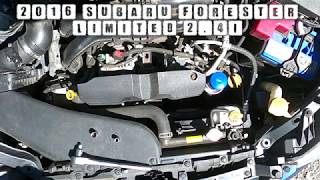
- A faulty alternator on a 2016 Forester 2.5L can cause a false P0300 engine misfire code; the fix requires replacing both the alternator and belt tensioner per TSB 07-112-16R.
- Symptoms of failure include grinding/whining noises, dimming/flickering lights, a battery warning light, and a frequently dead battery.
- When replacing, always install a new serpentine belt. A used OEM alternator is often a more reliable choice than a cheap aftermarket or remanufactured unit.
- Driving with a bad alternator is not recommended as the car will shut down once the battery is depleted, which can happen quickly.
Known Issues for the 2016 Subaru Forester Alternator

Technical Service Bulletin 07-112-16R: False P0300 Misfire Code
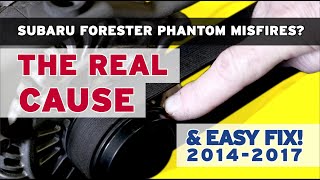
One of the most significant known issues for the 2016 Forester with the 2.5L engine involves the alternator causing a false engine misfire code. According to Subaru's Technical Service Bulletin (TSB) #07-112-16R, fluctuations in the alternator's current output can make the engine's computer believe there is a random or multiple cylinder misfire, logging a P0300 diagnostic trouble code and illuminating the Check Engine Light. In reality, the engine is not misfiring; the issue is electrical resonance from the alternator assembly.
🎬 Watch: How this electrical resonance causes phantom misfire codes.The official fix is to replace both the alternator and the serpentine belt tensioner assembly as a set with updated parts. The updated alternator part number is 23700AB030, and the tensioner is 23769AA05A. Technicians can identify the old, problematic alternator by its pulley, which has a black belt surface, whereas the new, updated version has a silver belt surface.
Recalls
As of early 2026, there are no active recalls issued by the National Highway Traffic Safety Administration (NHTSA) that directly involve the alternator for the 2016 Subaru Forester. While recalls exist for other components like the brake light switch and a turbocharger air intake duct on 2.0XT models, the charging system itself is not subject to a recall.
Symptoms of a Failing Alternator

A failing alternator will present several distinct warning signs, many of which are electrical in nature.
Noises and Vibrations
- Grinding or Growling: A persistent grinding or growling sound coming from the engine bay often points to worn-out bearings inside the alternator. This sound may be constant and increase with engine speed.
- Whining: A high-pitched whining noise can occur when the alternator's voltage regulator is failing, causing it to overcharge the system.
- Squealing or Screeching: A loud squeal, especially on startup or when electrical loads (like headlights and A/C) are turned on, is typically caused by a loose or worn serpentine belt slipping on the alternator pulley.
Electrical Symptoms
- Dim or Flickering Lights: One of the most common signs is headlights and dashboard lights that dim and brighten with engine RPM, or flicker intermittently. A healthy alternator provides consistent voltage regardless of engine speed.
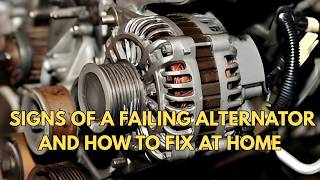
- Battery/Charge Warning Light: An illuminated battery-shaped warning light on your dashboard indicates a problem in the charging system, which is frequently the alternator. 🎬 See a breakdown of common symptoms and how to fix them.
- Dead Battery: The alternator is responsible for recharging the battery. If you find your battery is frequently dead or your car is difficult to start, the alternator may not be providing enough charge. If you jump-start the car and it dies again shortly after the jumper cables are removed, the alternator is the likely culprit.
- Slow or Malfunctioning Electronics: You might notice power windows operating slowly, or other strange electrical bugs like the radio acting up or heated seats not working correctly.
Pro Tip: If you suspect an alternator issue, most auto parts stores can perform a free charging system test. This test measures the alternator's voltage output under load and can quickly confirm if it is failing.
Buying a Used 2016 Forester Alternator

A used OEM alternator can be a reliable and cost-effective alternative to expensive new parts, especially when compared to lower-quality aftermarket options. Given the known TSB, sourcing a used OEM part is often a better choice than a remanufactured aftermarket unit, which may have inconsistent quality.
What to Inspect
- Part Numbers: Verify the part number. The most current OEM number is 23700AB030, which supersedes 23700AA760 and 23700AA761. Look for the silver-surfaced pulley, which indicates it is the updated design from TSB 07-112-16R.
- Physical Condition: Check the housing for any cracks, heavy corrosion, or signs of fluid leaks (oil or coolant) which can damage the internal components.
- Pulley and Bearing: Spin the pulley by hand. It should spin smoothly and quietly. Any roughness, grinding, or wobble indicates a bad bearing, and the part should be rejected.
- Electrical Connectors: Ensure the electrical connection points and the main power stud are clean, straight, and free of damage.
Mileage Considerations
Alternators do not have a set replacement interval, but failures become more common with age and mileage. While they can last for well over 100,000 miles, factors like driving conditions and electrical load play a role. When buying used, an alternator from a lower-mileage vehicle (under 100k miles) is preferable, but a well-inspected part from a higher-mileage vehicle can still be a good value.
Cost Comparison for a 2016 Forester Alternator
Prices can vary based on supplier and location. The following is an estimated breakdown of costs:
| Part Type | Estimated Cost |
|---|---|
| New OEM | $500 - $750 |
| Remanufactured / New Aftermarket | $130 - $600 |
| Used OEM | $75 - $150 |
| Shop Labor | $200 - $450 |
Replacement Overview

Replacing the alternator on a 2016 Forester is a manageable DIY job for those with basic mechanical skills and tools. The estimated time is between 1.5 and 2 hours.
Related Parts to Replace
- Serpentine Belt: It is always recommended to replace the serpentine belt when replacing the alternator. The belt must be removed anyway, and replacing it is cheap insurance against future problems. Aftermarket belts cost around $25-$45.
- Belt Tensioner: If you are experiencing the P0300 misfire code issue described in TSB 07-112-16R, you must replace the belt tensioner (Part No. 23769AA05A) at the same time as the alternator.
Basic Replacement Steps
- Disconnect the negative battery terminal.
- Remove the plastic belt cover (typically held by 10mm bolts).
- Using a 14mm wrench or breaker bar on the belt tensioner, relieve the tension and slip the serpentine belt off the alternator pulley.
- Lift the red rubber boot on the alternator, and remove the 12mm or 13mm nut to disconnect the main power wire. Unplug the electrical connector.
- Loosen and remove the alternator mounting bolts (typically 12mm).
- Remove the old alternator from the vehicle.
- Installation is the reverse of removal. 🎬 Watch: A step-by-step DIY guide to replacing your Forester's alternator. Ensure the new belt is routed correctly and properly tensioned.
Warning: Always disconnect the battery before working on the alternator to prevent electrical shorts and potential injury.
Frequently Asked Questions
Can I drive my Forester with a bad alternator?
It is not recommended. Once the alternator fails, your car runs solely on battery power. The battery will drain quickly, leading to the engine stalling, potentially in a dangerous situation. You have a very limited driving range before the vehicle shuts down completely.
Do I need to replace the tensioner and belt with the alternator?
You should always replace the serpentine belt. As for the tensioner, it is only required if you are performing the fix for TSB 07-112-16R related to the P0300 code. However, if the tensioner pulley feels rough or makes noise when spun by hand, it's wise to replace it as well.
Why is a used OEM alternator often better than a new aftermarket one?
Original Equipment Manufacturer (OEM) parts are built to Subaru's exact specifications for quality, fit, and performance. Aftermarket parts, especially cheaper remanufactured units, can have widely varying quality and a higher failure rate. A low-mileage used OEM part often provides superior reliability and longevity compared to a new, non-OEM part.
What does the P0300 code mean if my alternator is bad?
On 2014-2016 Foresters with the 2.5L engine, electrical noise from a failing alternator can be misinterpreted by the car's computer as an engine misfire. This triggers the P0300 code. If you have this code along with other alternator failure symptoms like flickering lights or a battery light, the alternator is the most likely cause, not the engine's ignition system.
Helpful Videos
Technical Specifications
OEM Part Numbers: 23700AA760 23700AA761 23700AB030
Amperage: 130 Amps
We Have This Part in Stock



The information in this article is provided for general reference and educational purposes only. Vehicle specifications, procedures, and part compatibility can vary by production date, trim level, and region. Always consult your vehicle's factory service manual and verify part numbers before purchasing or performing repairs. Safety-critical components such as airbags, seat belts, and braking systems should be installed by a qualified professional.
- Subaru Forester:
- 🎬 Helpful Videos
- 🛍️ Shop This Part
- Known Issues for the 2016 Subaru Forester Alternator
- Technical Service Bulletin 07-112-16R: False P0300 Misfire Code
- Recalls
- Symptoms of a Failing Alternator
- Noises and Vibrations
- Electrical Symptoms
- Buying a Used 2016 Forester Alternator
- What to Inspect
- Mileage Considerations
- Cost Comparison for a 2016 Forester Alternator
- Replacement Overview
- Related Parts to Replace
- Basic Replacement Steps
- Frequently Asked Questions
- 🎟️ Get 5% Off