

2015-2020 Honda Fit Alternator: Decoding CVT vs. Manual and Charging System Errors
This guide covers the critical differences between alternators for automatic and manual transmissions, common failure symptoms, and how to diagnose charging system problems.
- CRITICAL: Alternators for Automatic (CVT) and Manual transmission models are DIFFERENT and not interchangeable. Verify the part number before buying.
- A 'Check Charge System' light doesn't always mean a bad alternator; check for a loose alternator plug and consider the TSB for a faulty battery sensor (TSB 16-026) first.
- When replacing the alternator, it is highly recommended to also replace the serpentine belt and inspect the belt tensioner.
- A quality used OEM alternator is often a more reliable and cost-effective choice than a new, cheap aftermarket part that may fail prematurely.
Critical Compatibility Warning: Automatic (CVT) vs. Manual Transmission

Warning: The single most important factor when replacing the alternator on a 2015-2020 Honda Fit is the transmission type. Models with an Automatic (CVT) transmission use a different alternator than models with a Manual Transmission. They are not interchangeable.
- CVT Transmission Models: Typically use a 105 Amp alternator. Common OEM part numbers include 31100-5R7-A01, 31100-5R7-A02, and their remanufactured versions.
- Manual Transmission Models: Use a different alternator, potentially a 120 Amp unit. A common OEM part number is 31100-5R0-014.
Always verify the part number and transmission application before purchasing. Installing the wrong alternator will lead to charging system problems or fitment issues.
Symptoms of a Failing Alternator

A failing alternator rarely dies without warning. Look for these common signs before you get stranded.
Noises from the Engine Bay
- Grinding or Whining: A harsh grinding or a high-pitched whining noise that changes with engine RPM often points to failing bearings inside the alternator. This is a mechanical failure, and the alternator will need to be replaced soon.
- Squealing or Chirping: A loud squeal, especially on startup or when electrical accessories are turned on, is often a worn or loose serpentine belt. However, it can also be caused by a seized alternator pulley that is dragging on the belt.
Electrical Problems
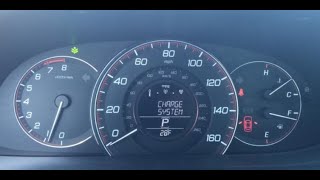
- Dashboard Warning Lights: The most obvious sign is the red battery icon on your dashboard or a "Check Charge System" message in the instrument cluster. As the system voltage drops, other seemingly unrelated lights (VSA, TPMS, Power Steering) may also illuminate as their control modules lose power.
- Dimming or Flickering Lights: Headlights and interior lights that dim, flicker, or pulse are a classic symptom of a struggling alternator that can't provide consistent voltage.
- Slow or Malfunctioning Accessories: You might notice power windows that are slow to go up, a radio that cuts out, or other electrical accessories acting strangely.
- Dead Battery: The alternator's job is to recharge the battery. If the alternator fails, the car will run solely off the battery's stored power until it's completely drained, leaving you with a car that won't start.
Is It Really the Alternator? Common Related Issues

Before you replace the alternator, be aware of a few other common issues on the 2015-2020 Fit that can mimic alternator failure.
Honda TSB 16-026: Faulty Battery Sensor
For 2015-2016 models, Honda issued a Technical Service Bulletin for a condition where the charging system light comes on and throws DTC P154A. The cause is often a failed battery sensor located on the negative battery terminal, not the alternator itself. This sensor communicates with the ECU to regulate charging. If it fails, the system may not charge correctly. A diagnosis with a proper scan tool is needed to differentiate this from a bad alternator.
Loose Alternator Connector Plug
Many owners have reported "Check Charge System" warnings caused by a poor connection at the main electrical plug on the alternator. Over time, vibration can cause this plug to loosen. The fix can be as simple as unplugging it, cleaning the contacts with electrical contact cleaner, applying dielectric grease, and plugging it back in securely. Some owners use a zip tie to ensure the plug stays firmly seated.
🎬 Watch this guide on diagnosing the Honda Check Charge System lightBlown Main Fuse
In some cases, when an alternator fails internally and shorts out, it can blow the large main fuse located in the fuse block attached to the positive battery terminal. If you've replaced the alternator and the car is still dead with no power, check this fuse.
Buying a Used 2015-2020 Fit Alternator

A recycled OEM alternator is an excellent, cost-effective alternative to an expensive new dealer part or a potentially unreliable aftermarket unit. Here’s what to look for:
- Verify Compatibility: This is the most critical step. Get the part number from your original alternator or use your vehicle's VIN to confirm the exact part you need. Double-check that it is for a CVT or Manual transmission to match your car.
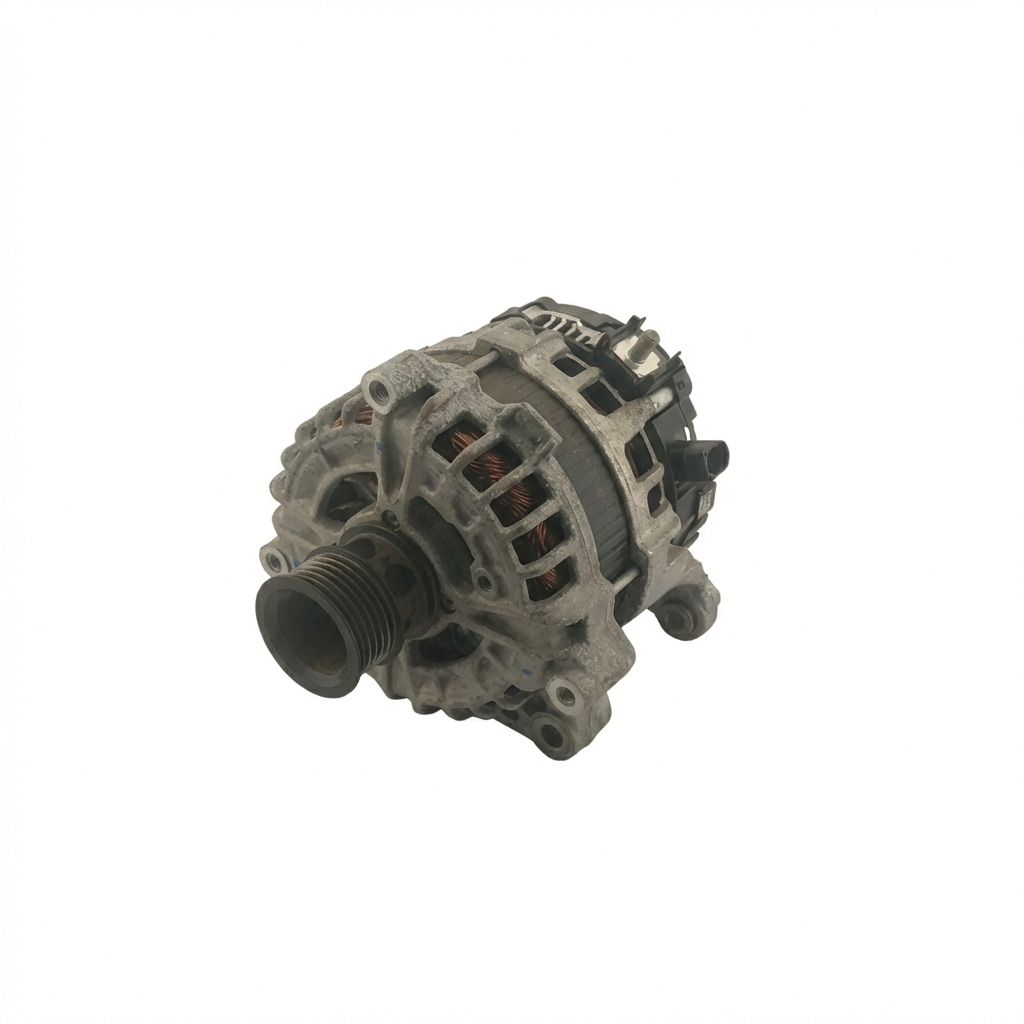
- Physical Inspection: Check that the pulley spins freely and smoothly by hand. It should not feel gritty, rough, or have any side-to-side play, which would indicate bad bearings. Ensure the pulley grooves are clean and not damaged.
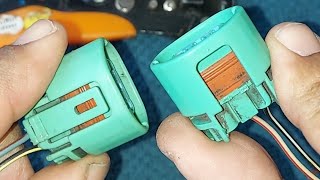
- Connector Integrity: Inspect the plastic electrical connector housing for any cracks or damage. The pins inside should be clean and free of corrosion. The main power terminal (where the large wire attaches) should be intact and its threads clean. 🎬 See how to repair a damaged or broken alternator electrical connector
- Mileage and Source: Ask for the mileage of the donor vehicle if possible. While alternators don't have a set lifespan, one from a lower-mileage vehicle is generally preferable. Buying from a reputable recycler with a warranty provides protection against a defective part.
- OEM vs. Aftermarket: A used OEM (Honda/Mitsubishi) alternator is often superior to a new, cheap aftermarket part. OEM units are built to Honda's exact specifications for fit, electrical performance, and durability. Many aftermarket alternators have a higher failure rate and may not work correctly with the Fit's sensitive smart charging system.
Pro Tip: Before installing any replacement alternator (new or used), have your battery fully charged and load-tested at an auto parts store. Installing a new alternator with a dead or faulty battery can cause the new alternator's voltage regulator to overheat and fail prematurely.
Cost of Replacement
The cost can vary dramatically depending on the type of part you choose and whether you do the work yourself.
| Part/Service | Estimated Cost |
|---|---|
| New OEM (Dealer) | $1000 - $1600+ (part only) |
| New Aftermarket | $150 - $450 |
| Remanufactured | $200 - $650 |
| Used OEM | $75 - $200 |
| Shop Labor | $180 - $350+ |
Replacement Overview
Replacing the alternator on a 3rd generation Honda Fit is considered a moderately difficult job due to tight access.
- Difficulty: 3/5
- Estimated Time: 1.5 - 2.5 hours (DIY)
The most common method involves accessing the alternator from the passenger side wheel well. The basic steps are:
- Disconnect the battery negative terminal. This is a critical safety step.
- Jack up the vehicle, secure it with jack stands, and remove the passenger side front wheel.
- Remove the plastic splash shields from the wheel well to gain access to the engine pulleys.
- Using a long wrench (17mm or 19mm depending on the tool) on the serpentine belt tensioner, rotate it to release tension and slip the belt off the alternator pulley. It's helpful to have a diagram of the belt routing for reassembly.
- Unplug the electrical connector and remove the rubber boot and nut to disconnect the main power wire from the alternator.
- Remove the two main mounting bolts holding the alternator to the engine block. The lower bolt is often long and accessed from the back.
- Maneuver the alternator out of the engine bay. Some mechanics find it necessary to unbolt and slightly jack up the engine for clearance, while others state it is not necessary and can be done without this step.
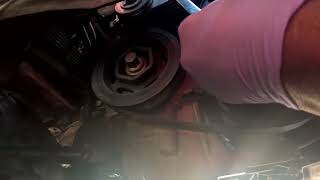
- Installation is the reverse of removal. 🎬 Watch this step-by-step video on replacing a Honda Fit alternator
Related Parts to Inspect and Replace
When the alternator is being replaced, it's the perfect time to address other related components.
- Serpentine Belt: If the belt is more than a few years old, shows any signs of cracking, fraying, or glazing, it should be replaced. It's a low-cost part and you're already taking it off anyway.
- Belt Tensioner: With the belt off, spin the tensioner pulley by hand. It should spin smoothly and quietly. If it feels rough, makes noise, or if the tensioner arm doesn't seem to provide strong spring pressure, it should be replaced to ensure proper belt tension and prevent noise.
Can I use a manual transmission alternator in my CVT Fit?
No. The alternators for manual and CVT models have different part numbers and may have different amperage ratings and physical fitment. You must use the correct alternator for your specific transmission type to ensure proper function and avoid damage.
How can I test my alternator at home?
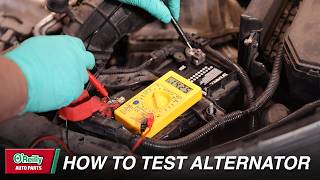
With the engine off, a healthy battery should read about 12.4-12.6 volts. Start the car and measure the voltage across the battery terminals again. With the engine running, it should be between 13.8 and 14.5 volts. Then, turn on all accessories (headlights, A/C, radio). The voltage may dip but should remain above 13.0 volts. If the voltage is below 13 volts with the engine running, or if it doesn't increase from the resting voltage, the alternator is likely faulty. Note that Honda's smart charging system can lower voltage to ~12.6V under light load to save fuel, so testing under heavy electrical load is important.
What does the "Check Charge System" warning mean?
This message indicates that the vehicle's computer has detected a problem with the charging system. The cause could be a failing alternator, a bad battery, a faulty battery sensor, a loose connection, or a broken serpentine belt. It requires immediate diagnosis to prevent getting stranded.
Why is the OEM alternator so expensive?
OEM (Original Equipment Manufacturer) parts are made by or for Honda to their exact specifications and undergo rigorous testing. This guarantees fit, performance, and reliability. While the initial cost is high, they are designed to work perfectly with the vehicle's systems. A quality used OEM part offers this same level of engineering at a much lower cost.
Helpful Videos
Technical Specifications
OEM Part Numbers: 31100-5R7-A01 31100-5R7-A01RM 31100-5R7-A02 31100-5R7-A02RM 31100-5R7A-A010-M2 311005KK004 311005R7A01 311005R7A01RM 311005R7A02 311005R7A02RM A005TZ0281AC A005TZ0281ZC A5TZ0281ZC AHGA104 AHGA95 31100-5R0-014
Amperage: 105 Amps (for CVT models). Pulley: 6-Groove Serpentine Decoupler Pulley. Voltage: 12V. Rotation: Clockwise.
We Have This Part in Stock



The information in this article is provided for general reference and educational purposes only. Vehicle specifications, procedures, and part compatibility can vary by production date, trim level, and region. Always consult your vehicle's factory service manual and verify part numbers before purchasing or performing repairs. Safety-critical components such as airbags, seat belts, and braking systems should be installed by a qualified professional.
- Honda Fit:
- 🎬 Helpful Videos
- 🛍️ Shop This Part
- Critical Compatibility Warning: Automatic (CVT) vs. Manual Transmission
- Symptoms of a Failing Alternator
- Noises from the Engine Bay
- Electrical Problems
- Is It Really the Alternator? Common Related Issues
- Honda TSB 16-026: Faulty Battery Sensor
- Loose Alternator Connector Plug
- Blown Main Fuse
- Buying a Used 2015-2020 Fit Alternator
- Cost of Replacement
- Replacement Overview
- Related Parts to Inspect and Replace
- 🎟️ Get 5% Off