

2019-2023 Ford Ranger Alternator: Charging Faults, Whining Noises, and Replacement Guide
This guide covers common failure symptoms, diagnostic procedures, and replacement costs for the alternator in 2019-2023 Ford Ranger trucks with the 2.3L EcoBoost engine.
- A failing alternator will trigger a battery warning light, cause dim/flickering lights, and may produce a whining or grinding noise that changes with engine RPM.
- The 2019-2023 Ranger uses a smart charge system; a fluctuating voltage gauge can be normal and isn't a definitive sign of failure without other symptoms.
- When replacing, it is highly recommended to also install a new serpentine belt. Torque specs are critical to avoid damaging the aluminum mounting points: 25 Nm (18 ft-lbs) for mounting bolts.
- Driving with a bad alternator is not recommended. The vehicle will run on battery power for only a short time before stalling.
Symptoms of a Failing 2019-2023 Ford Ranger Alternator

When the alternator begins to fail, it can cause a variety of electrical issues. Because it supplies power to every system, symptoms can appear in many different ways. Pay attention to these common warning signs.
Electrical Symptoms
- Battery Warning Light: The most obvious sign is a red battery-shaped warning light on your dashboard. This light indicates that the charging system voltage has dropped below the normal operating range, which is typically between 13.0 and 14.5 volts.
- Dim or Flickering Lights: You may notice the headlights, interior lights, or dashboard display seem dimmer than usual or flicker. This can be more noticeable at idle and may brighten as you rev the engine.
- Slow or Malfunctioning Accessories: Power windows that move slowly, a weak blower fan, or a radio that cuts out are all signs the alternator isn't providing enough electricity to power all accessories. Modern vehicles will often prioritize essential systems, cutting power to non-essential items like the radio first when a fault is detected.
- Difficulty Starting or Frequent Stalling: A weak alternator won't properly recharge the battery. This can lead to a no-start condition where you only hear a clicking sound. The engine may also stall while driving if the alternator fails completely, as there isn't enough power for the spark plugs and fuel system to function.
Noises and Smells
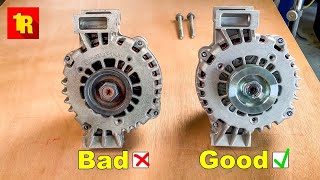
- Whining or Grinding Noise: A high-pitched whine that changes with engine RPM is a classic sign of a failing alternator. This is often caused by worn-out internal bearings. Some owners have reported a noticeable whine between 1200-1500 RPM. A grinding or growling sound can also indicate bad bearings. 🎬 Listen to examples of failing alternator bearing noises here.
- Squealing Noise: A loud squeal from the engine bay could be a worn or loose serpentine belt slipping on the alternator pulley. This can happen if the belt is old or if the belt tensioner is weak.
- Smell of Burning Rubber or Wires: A hot, burning smell can indicate an overworked alternator or a slipping belt generating friction and heat. An electrical burning smell could point to a short within the alternator itself.
Pro Tip: Modern Ford trucks with smart charging systems may show a fluctuating voltage gauge (e.g., between 12.5V and 14.5V). This is often normal behavior as the computer adjusts the charging rate. Don't assume the alternator is bad based on a fluctuating gauge alone unless it's accompanied by other symptoms like a warning light or dimming headlights.
Known Issues, Recalls, and TSBs

As of early 2026, there are no widespread official recalls or Technical Service Bulletins (TSBs) from Ford specifically for alternator failure on the 2019-2023 Ranger. However, some owners and mechanics have anecdotally reported that these alternators can be susceptible to premature failure when frequently exposed to water and mud, such as during aggressive off-roading. The alternator is mounted relatively low on the passenger side of the 2.3L EcoBoost engine, making it vulnerable in these conditions.
Diagnosing a Bad Alternator

Before replacing parts, a few simple tests can confirm if the alternator is the culprit.
- Battery Check: Start with a known good battery. Many auto parts stores will test your battery for free. If the battery is old or won't hold a charge, it can put extra strain on the alternator and mimic charging system problems.
- Voltage Test (Engine Off): With the engine off, use a multimeter to measure the voltage across the battery terminals. A fully charged battery should read approximately 12.4 to 12.6 volts.
- Voltage Test (Engine Running): Start the engine and measure the battery voltage again. A healthy alternator should increase the voltage to between 13.2 and 14.5 volts. If the voltage remains the same as the engine-off reading, or if it's below 13.0 volts, the alternator is likely not charging.
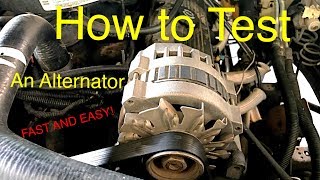
- Load Test: With the engine still running, turn on all major electrical accessories (headlights on high beam, A/C blower on max, radio, etc.). The voltage should remain steady, above 13.0 volts. If it drops significantly, the alternator is failing under load. 🎬 Watch this quick guide on how to test your alternator.
Buying a Used 2019-2023 Ranger Alternator
For a modern vehicle like the Ranger, a used OEM alternator can be a smart purchase, offering factory quality at a significant discount compared to a new dealer part. However, it's crucial to inspect the part carefully.
What to Inspect
- Pulley Condition: Spin the pulley by hand. It should spin smoothly and quietly. Any roughness, grinding, or wobble indicates bad bearings. Check the pulley grooves for damage or excessive wear.
- Connectors: Inspect the electrical connector pins and the main B+ power stud. Look for any signs of corrosion, melting, or damage. A damaged connector can cause poor performance or prevent the alternator from working at all.
- Housing: Check the aluminum housing for any cracks, heavy corrosion, or signs of being dropped. Avoid parts that are caked in mud or oil, as this can suggest a hard life and potential internal contamination.
- Part Numbers: Verify the OEM part number on the used unit matches the compatible numbers for your truck. Common part numbers include KB3Z-10346-B, KB3Z-10346-A, and GL-9839.
Mileage and Value
A typical alternator lifespan is between 80,000 and 150,000 miles. When buying used, look for an alternator from a lower-mileage vehicle (ideally under 70,000 miles) to ensure you get plenty of service life. A used OEM alternator from a reputable recycler is often a better choice than a cheap, new aftermarket part. New aftermarket units can sometimes have lower quality internal components, such as the voltage regulator, which may not communicate properly with the Ranger's sophisticated engine computer, leading to persistent charging issues.
Cost to Replace a Ford Ranger Alternator
The cost can vary based on the part source and labor rates in your area. Here is a general cost comparison:
| Part Type | Estimated Part Cost |
|---|---|
| New OEM | $360 - $600 |
| Used OEM | $75 - $200 |
| Remanufactured | $150 - $300 |
| New Aftermarket | $100 - $250 |
| Shop Labor | $110 - $190 |
Replacement Procedure Overview
Replacing the alternator on a 2019-2023 Ranger is an intermediate-level task that a DIYer with the right tools can accomplish in about 1.5 to 3 hours.
Warning: Always disconnect the negative battery terminal before beginning work to prevent electrical shorts and potential injury.
Tools and Parts
- Tools: Ratchet and socket set (10mm, 13mm), serpentine belt tool or breaker bar, torque wrench.
- Related Parts to Replace: It is highly recommended to replace the serpentine belt at the same time you replace the alternator. If the belt tensioner feels weak or its pulley is noisy, it should also be replaced.
Key Replacement Steps
- Disconnect the negative battery cable with a 10mm wrench.
- Remove the intercooler hose that runs over the top of the alternator for better access.
- Using a serpentine belt tool or breaker bar on the tensioner pulley, release the tension and slip the belt off the alternator pulley.
- Unplug the electrical connector and remove the 13mm nut holding the main power (B+) cable.
- Remove the alternator mounting bolts (typically 13mm). There are usually two bolts and one stud with a nut.
- Remove the old alternator from the vehicle.
- Install the new alternator and tighten the mounting hardware.
- Reconnect the electrical connections and install the new serpentine belt.
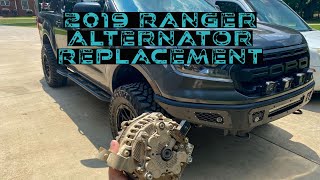
- Reinstall the intercooler hose and reconnect the battery. 🎬 See a complete step-by-step alternator replacement walkthrough.
- Start the engine and verify the charging voltage is correct (13.2V - 14.5V).
Important Torque Specs
Using a torque wrench is critical to avoid damaging the aluminum mounting brackets.
- Alternator Mounting Bolts: 25 Nm (18 ft-lbs)
- Alternator Stud Nut: 10 Nm (7 ft-lbs)
- B+ (Power) Cable Nut: 15 Nm (11 ft-lbs)
Note: Torque specs can vary. The 15 Nm spec for the B+ nut is from a similar generation Haynes manual and should be used as a reliable guide. Always confirm specs for your specific vehicle if possible.
Frequently Asked Questions (FAQ)
Can I drive my Ranger with a bad alternator?
It is not recommended. Once the alternator fails, the truck runs solely off the battery's reserve power. You will likely only be able to drive for 20-30 minutes before the battery is completely drained and the engine stalls, leaving you stranded. Turn off all non-essential accessories like the radio and A/C to maximize the remaining battery life and get to a safe location immediately.
Do I need to replace the battery and alternator at the same time?
Not always, but it's often a good idea. A failing alternator can damage a good battery by failing to charge it, and a bad battery that can't hold a charge forces the alternator to work constantly, which can shorten its life. If your battery is more than 3-4 years old, replacing both components at the same time is preventative maintenance that can save you from future problems.
Is a remanufactured alternator as good as a new one?
A quality remanufactured alternator from a reputable brand can be a good value. These units are rebuilt to meet or exceed original specifications, with common wear items like bearings and brushes replaced. However, the quality can vary. A used low-mileage OEM unit is often a more reliable choice than a cheaply remanufactured part.
Why is the battery light on even though my alternator tested good?
This can happen due to a few reasons. There could be a poor connection at the battery terminals, a bad ground wire, or a blown fuse in the charging circuit. On modern vehicles, it can also be an issue with the wire that sends the signal from the alternator to the dashboard light or an issue within the engine's computer. Ensure all connections are clean and tight before assuming the new alternator is faulty.
Helpful Videos
Technical Specifications
OEM Part Numbers: GL8939 GL9838 HB3T10300AA HB3Z10346A KB3T10300AA KB3Z10346A KB3Z10346B
Voltage: 12V. Amperage varies by specific part number and vehicle options. The charging system is controlled by the Engine Control Module (ECM).
We Have This Part in Stock


The information in this article is provided for general reference and educational purposes only. Vehicle specifications, procedures, and part compatibility can vary by production date, trim level, and region. Always consult your vehicle's factory service manual and verify part numbers before purchasing or performing repairs. Safety-critical components such as airbags, seat belts, and braking systems should be installed by a qualified professional.
- Ford Ranger:
- 🎬 Helpful Videos
- 🛍️ Shop This Part
- Symptoms of a Failing 2019-2023 Ford Ranger Alternator
- Electrical Symptoms
- Noises and Smells
- Known Issues, Recalls, and TSBs
- Diagnosing a Bad Alternator
- Buying a Used 2019-2023 Ranger Alternator
- What to Inspect
- Mileage and Value
- Cost to Replace a Ford Ranger Alternator
- Replacement Procedure Overview
- Tools and Parts
- Key Replacement Steps
- Important Torque Specs
- Frequently Asked Questions (FAQ)
- 🎟️ Get 5% Off