

2010-2011 Ford Ranger Alternator Guide: Diagnosing Whining Noises and Charging Problems
This guide covers common failure symptoms, replacement costs, and compatibility details for the 100-amp alternator in 2010-2011 Ford Rangers with the 2.3L engine.
- This 100-amp alternator is specific to 2010-2011 Ford Rangers with the 2.3L engine (for 2010 models, built from 02/16/2010).
- Key failure symptoms include a whining noise that changes with engine speed, dimming/flickering lights, and a battery warning light on the dash.
- Replacement is a DIY-friendly job; while you're replacing the alternator, it's a good idea to also replace the serpentine belt.
- Driving with a bad alternator is not recommended; the vehicle will shut down once the battery is depleted, which can happen quickly.
Symptoms of a Failing 2010-2011 Ranger Alternator

When the alternator in your Ranger begins to fail, it will provide several distinct warning signs. Because it's the heart of the electrical system, the symptoms are almost always electrical in nature.
Common Failure Symptoms
- Battery Warning Light: The most obvious sign is the battery-shaped warning light illuminating on your dashboard. This light indicates that the vehicle's charging system is not operating correctly, and the truck is running on battery power alone.
- Dimming or Flickering Lights: You may notice that your headlights, dashboard lights, and interior dome light are dimmer than usual or flicker. The lights might get brighter when you rev the engine and dim again at idle.
- Whining or Grinding Noises: A high-pitched whining sound that changes with engine RPM is a classic sign of a failing alternator. This is often caused by worn-out internal bearings. A grinding noise can also indicate a severely damaged bearing or a problem with the alternator's pulley.
- Slow or Malfunctioning Electronics: Components like power windows that operate slower than normal, a radio that cuts out, or erratic gauge behavior can point to the alternator not providing enough voltage.
- Weak or Dead Battery: A bad alternator cannot properly recharge the battery. You may find yourself needing to jump-start the vehicle frequently, or the truck may struggle to crank, especially on cold mornings.
- Burning Smell: In severe cases, a smell of burning rubber or hot wires can come from the engine bay. This could be from the serpentine belt slipping on a seized alternator pulley or from the alternator overheating internally. 🎬 Watch: A visual guide to these 6 common failure symptoms
Pro Tip: Many auto parts stores can test your alternator for free. They can connect a diagnostic tool to see if its voltage output is within the correct range (typically 13.5 to 14.5 volts when the engine is running). This is the best way to confirm a failure before buying a new part.
🎬 See how to professionally diagnose and test your alternatorVehicle-Specific Issues, Recalls, and TSBs

For the 2010-2011 Ford Ranger, there are no recalls or common Technical Service Bulletins (TSBs) directly related to the alternator or charging system. While these model years were subject to several major recalls, they primarily concerned the Takata airbag inflators, a potential fuel line issue, and a multifunction switch, none of which affect alternator performance.
Important Compatibility Note: This 100-amp alternator fits 2010-2011 Ford Ranger models equipped with the 2.3L 4-cylinder engine. For 2010 models, it specifically fits vehicles manufactured from February 16, 2010, onward. It will not fit models with the 4.0L V6 engine, which use a different part. Always verify compatibility with your vehicle's specific details before purchasing.
Buying a Used Alternator

A used OEM alternator can be a reliable and cost-effective alternative to expensive new parts, especially when compared to low-quality aftermarket options. Ford alternators from this era are generally considered robust. When buying a used unit, here’s what to look for:
- Verify Part Numbers: Check the sticker on the alternator housing for the correct OEM part number. Look for AL5T-10300-CA, AL5Z-10346-B, or the service part number GL-1000.
- Physical Inspection: Inspect the alternator's case for any cracks or significant damage. Check that the electrical connectors are clean and not broken.
- Pulley and Bearing Check: Spin the pulley by hand. It should spin smoothly and quietly with minimal resistance. Any grinding, roughness, or side-to-side wobble indicates bad bearings, and you should pass on that unit.
- Mileage vs. Condition: While lower mileage is generally better, an alternator's lifespan is also affected by climate and driving conditions. A well-cared-for, higher-mileage unit from a dry climate may be in better shape than a lower-mileage one from a harsh, wet environment.
- Reputation of Seller: Purchase from a reputable auto recycler that offers a warranty. A warranty provides peace of mind and protection against receiving a part that fails shortly after installation.
Cost Comparison
Replacing a Ranger alternator can vary significantly in price depending on the type of part you choose. Labor costs at a professional shop are typically low for this job.
| Part Type | Estimated Cost |
|---|---|
| New OEM | $350 - $550 |
| New Aftermarket | $210 - $420 |
| Remanufactured | $150 - $250 (plus core charge) |
| Used OEM | $50 - $125 |
| Shop Labor | $110 - $160 |
Alternator Replacement Guide
Replacing the alternator on a 2.3L Ranger is a straightforward job suitable for a DIY mechanic with basic tools. 🎬 Watch this easy DIY guide for replacing the 2.3L alternator The alternator is located on the front of the engine and is relatively easy to access.
Required Tools:
- Socket set and ratchet
- Wrenches
- Serpentine belt tool or a long-handled breaker bar
Step-by-Step Process:
- Disconnect the Battery: Always disconnect the negative battery terminal before working on any electrical components to prevent shorts and injury.
- Release Belt Tension: Locate the automatic belt tensioner. Use a serpentine belt tool or a breaker bar to rotate the tensioner and release the tension on the belt, then slip the belt off the alternator pulley. It's a good idea to note the belt's routing before removal.
- Disconnect Electrical Connectors: Unplug the main wiring harness connector from the back of the alternator. Peel back the rubber boot on the main power wire (the 'B+' terminal) and remove the nut holding the wire in place.
- Remove Mounting Bolts: Undo the bolts that secure the alternator to its mounting bracket. There are typically two or three bolts.
- Install the New Alternator: Position the new alternator and install the mounting bolts, tightening them to the specified torque. The mounting bolts should be tightened to 48 Nm (35 ft-lbs).
- Reconnect Everything: Re-attach the B+ power cable and tighten its nut to 15 Nm (11 ft-lbs). Plug in the wiring harness connector. Route the serpentine belt back over all the pulleys and use the tensioner tool to release the tensioner back onto the belt. Finally, reconnect the negative battery terminal.
Pro Tip: This is the perfect time to inspect your serpentine belt and tensioner. If the belt has cracks, is frayed, or is glazed, replace it. A new belt is inexpensive and ensures the new alternator is driven properly.
Frequently Asked Questions (FAQ)
Can I drive my Ranger with a bad alternator?
No. Once the battery light comes on, your truck is running only on battery power. Depending on the battery's condition, you may only have a few miles before the battery is completely drained and the engine shuts off, leaving you stranded.
Is it better to rebuild the alternator or replace it?
For most owners, replacing the entire unit with a quality remanufactured or used OEM part is more practical and cost-effective. While rebuilding is possible by replacing internal parts like bearings or brushes, it can be time-consuming, and other old components may fail soon after.
Do I need to replace the battery at the same time as the alternator?
Not always, but it's highly recommended to have the battery tested. A failing alternator can put a severe strain on a battery, and a weak or damaged battery can in turn overwork and damage a brand-new alternator. Replacing both if they are old or weak is a wise investment.
What are the OEM part numbers for the 2010-2011 Ranger 2.3L alternator?
The known OEM part numbers are AL5T10300CA, AL5Z10346B (may be discontinued), and the Ford service part number GL1000.
Helpful Videos
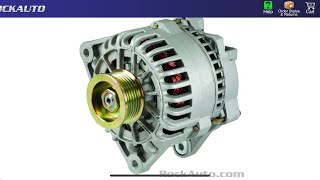
Technical Specifications
OEM Part Numbers: AL5T10300CA AL5Z10346B GL1000
Amperage: 100 Amps Voltage: 12V Pulley: 6-Groove Serpentine Mounting Bolt Torque: 48 Nm (35 ft-lbs) B+ Terminal Nut Torque: 15 Nm (11 ft-lbs)
We Have This Part in Stock



The information in this article is provided for general reference and educational purposes only. Vehicle specifications, procedures, and part compatibility can vary by production date, trim level, and region. Always consult your vehicle's factory service manual and verify part numbers before purchasing or performing repairs. Safety-critical components such as airbags, seat belts, and braking systems should be installed by a qualified professional.
- Ford Ranger:
- 🎬 Helpful Videos
- 🛍️ Shop This Part
- Symptoms of a Failing 2010-2011 Ranger Alternator
- Common Failure Symptoms
- Vehicle-Specific Issues, Recalls, and TSBs
- Buying a Used Alternator
- Cost Comparison
- Alternator Replacement Guide
- Required Tools:
- Step-by-Step Process:
- Frequently Asked Questions (FAQ)
- 🎟️ Get 5% Off