

2009-2010 Dodge Journey Alternator: Failure Symptoms, Testing, and Replacement Costs
This guide covers diagnosing whining noises and electrical glitches, testing procedures, and why a failing alternator can sometimes be mistaken for other issues on your 2009-2010 Dodge Journey.
- Always test your charging system with a multimeter before replacing parts. A reading below 13.5V with the engine running indicates a problem.
- Be aware of the ignition switch recall (NHTSA #14V373), as its symptom (engine stalling) can be mistaken for alternator failure.
- Verify the correct amperage for your engine. The 3.5L V6 often requires a 160A alternator, while other models may use a 140A unit.
- Always replace the serpentine belt when replacing the alternator and inspect the belt tensioner for wear.
Symptoms of a Failing 2009-2010 Dodge Journey Alternator

When an alternator begins to fail, it typically provides several warning signs. Some are subtle, while others are impossible to ignore. Being aware of these symptoms can help you diagnose the problem before you end up stranded.
Common Failure Symptoms:
- Battery Warning Light: The most obvious sign is a battery-shaped warning light on your dashboard. This light indicates a problem within the charging system, which could be the alternator, the battery, or the wiring between them.
- Dimming or Flickering Headlights: If you notice your headlights or interior lights dimming, flickering, or changing intensity as you rev the engine, it's a strong sign the alternator is providing inconsistent voltage.
- Strange Noises: A whining or grinding sound coming from the engine bay that increases with engine speed often points to failing bearings inside the alternator. A squealing noise could indicate a problem with the serpentine belt that drives the alternator. On some Journeys, the one-way clutch pulley on the alternator can fail, causing a rattling or buzzing noise. 🎬 Watch: Hear what a failing alternator pulley sounds like.
- Electrical Gremlins: Owners have reported issues like the radio and navigation display becoming distorted or losing power intermittently right before the alternator fails completely. Power windows may operate slower than usual.
- Weak or Dead Battery: An alternator's primary job is to charge the battery. If your battery is constantly dying and requires frequent jump-starts, the alternator is likely the root cause.
- Stalling Engine: In the final stages of failure, the alternator won't provide enough electricity to power the ignition and fuel systems, causing the engine to stall while driving. Once the battery is drained, the car will not restart.
Diagnosing the Problem: Is It Really the Alternator?

Before spending money on a replacement, it's crucial to confirm the alternator is the faulty component. The symptoms above can sometimes overlap with a bad battery or wiring issues.
How to Test Your Alternator with a Multimeter
This is a simple and effective test you can do at home. You will need a basic digital multimeter set to DC Volts.
- Test the Battery (Engine Off): With the car turned off, connect the red probe of the multimeter to the positive (+) battery terminal and the black probe to the negative (-) terminal. A healthy, fully charged battery should read between 12.4 and 12.6 volts. If it's below 12.2V, charge the battery before proceeding.
- Test the Alternator (Engine Running): Start the engine and let it run. Re-test the battery terminals with the multimeter. A healthy alternator should increase the voltage to between 13.5 and 14.5 volts.
- Test Under Load: With the engine still running, turn on all major electrical accessories: headlights on high beam, interior fan on max, radio on, etc. The voltage should remain above 13 volts.
If the voltage does not increase when the engine is running, or if it drops below 13 volts with accessories on, the alternator is very likely faulty and not charging the battery.
Pro Tip: On the 2009-2010 Dodge Journey, a diagnostic trouble code (DTC) of P0622 (Generator Field Control Circuit Open) does not always mean the alternator is bad. It can be caused by a break in the control wire between the alternator and the Powertrain Control Module (PCM). It's worth checking this wiring for damage before replacing the part.
Known Issues, Recalls, and Technical Service Bulletins (TSBs)

While there are no specific recalls for the alternator on the 2009-2010 Dodge Journey, there are a few related items to be aware of:
- Ignition Switch Recall (NHTSA #14V373): A major recall was issued because the ignition switch could move out of the 'RUN' position while driving, causing the engine to shut off. This sudden loss of power can mimic the symptoms of a complete alternator failure. You can check if your vehicle was affected by this recall on the NHTSA website.
- Power Inverter Connector Recall (NHTSA #J09): On some 2009 models, an unused electrical connector for an optional power outlet could corrode and short circuit, potentially causing a fire. While not directly related to the alternator, it highlights the potential for electrical issues in the vehicle.
Buying a Used Alternator for Your 2009-2010 Journey

A quality used OEM alternator can be a reliable and cost-effective alternative to expensive new parts. The original Denso and Mopar units are built to a high standard. Here’s what to look for:
- Verify Compatibility: The 2009-2010 Journey used at least two different alternators, primarily based on the engine. The 3.5L V6 often uses a 160-amp unit (Mopar P/N 04801483AA), while other 🎬 See this step-by-step 3.5L V6 alternator replacement guide. models may use a 140-amp unit (Denso P/N 421000-0460). Always match the part number or amperage of your original alternator.
- Physical Inspection: Check the alternator's housing for any cracks or significant corrosion. The electrical terminals should be clean and free of damage. Spin the pulley by hand; it should rotate smoothly and quietly. The pulley on many of these alternators has a one-way clutch; it should spin freely in one direction and engage in the other.
- Mileage and Source: Whenever possible, choose a part from a vehicle with the lowest possible mileage. A part from a reputable, warrantied source is always preferable to a private sale.
- OEM vs. Aftermarket: A used OEM Denso or Mopar alternator is often a better choice than a new, cheap aftermarket unit. OEM parts are designed for perfect fitment and compatibility with your vehicle's sensitive electronics, whereas some low-quality aftermarket parts can cause issues or have a short lifespan.
Alternator Replacement Cost Comparison
The cost to replace a Dodge Journey alternator can vary significantly based on the part you choose and labor rates in your area. Here is an estimated breakdown:
| Part Type | Estimated Part Cost |
|---|---|
| New OEM (Mopar) | $450 - $600 |
| New Aftermarket | $175 - $450 |
| Remanufactured | $200 - $350 |
| Used OEM | $75 - $150 |
| Shop Labor | $185 - $275 |
Related Parts to Inspect and Replace

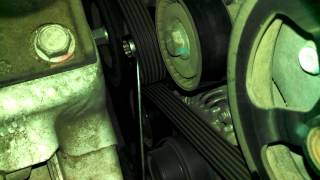
When replacing the alternator, it is highly recommended to also replace the serpentine belt. The belt must be removed to access the alternator, so you will not incur any additional labor costs. Also, take the opportunity to inspect the belt tensioner. If the tensioner pulley is noisy or does not apply firm pressure to the belt, it should be replaced at the same time to prevent future belt-related issues.
Frequently Asked Questions (FAQ)
Can I still drive my Dodge Journey with a bad alternator?
No. While the vehicle may run for a very short time on battery power alone, it will eventually stall once the battery is depleted, leaving you stranded. This can happen without warning and can be dangerous if it occurs in traffic.
How long should an alternator last on a Dodge Journey?
An original equipment alternator typically lasts between 7 to 10 years, or roughly 100,000 to 150,000 miles. Factors like driving conditions and electrical load can affect its lifespan.
What's the difference between the 2.4L and 3.5L engine alternators?
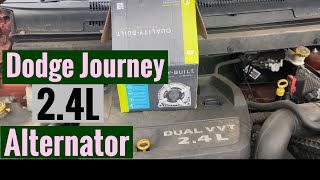
The primary difference is often the amperage output. The larger 3.5L V6 engine generally requires a higher output alternator, such as a 160-amp unit, to support its electrical demands. The 2.4L 4-cylinder may use a 140-amp unit. It is critical to install the correct alternator for your specific engine to ensure proper charging system function.
🎬 Watch: How to replace the alternator on 2.4L models.Is rebuilding my alternator a good option?
Rebuilding an alternator by replacing internal components like bearings or voltage regulators is possible, and repair kits are available. However, for most DIY mechanics, it is more practical and often more reliable to replace the entire unit with a quality remanufactured or low-mileage used OEM part. The cost difference is often minimal when you factor in your time.
Helpful Videos
Technical Specifications
OEM Part Numbers: 421000-0460 04801483AA 05033759AC 4801483AA 5033759AC
Amperage: 140A or 160A depending on engine and trim. Pulley: 6-groove with overrunning clutch. Voltage: 12V.
We Have This Part in Stock



The information in this article is provided for general reference and educational purposes only. Vehicle specifications, procedures, and part compatibility can vary by production date, trim level, and region. Always consult your vehicle's factory service manual and verify part numbers before purchasing or performing repairs. Safety-critical components such as airbags, seat belts, and braking systems should be installed by a qualified professional.
- Dodge Journey:
- 🎬 Helpful Videos
- 🛍️ Shop This Part
- Symptoms of a Failing 2009-2010 Dodge Journey Alternator
- Common Failure Symptoms:
- Diagnosing the Problem: Is It Really the Alternator?
- How to Test Your Alternator with a Multimeter
- Known Issues, Recalls, and Technical Service Bulletins (TSBs)
- Buying a Used Alternator for Your 2009-2010 Journey
- Alternator Replacement Cost Comparison
- Related Parts to Inspect and Replace
- Frequently Asked Questions (FAQ)
- 🎟️ Get 5% Off