

2013-2016 Dodge Dart Alternator: Solving Electrical Gremlins, Charging Issues, and Replacement
This guide covers the common failure symptoms, compatibility issues, and replacement procedures for the alternator in 2013-2016 Dodge Dart models with the 2.0L and 2.4L engines.
- The 2013-2016 Dart uses different alternators (120A or 140A); you must match the amperage of your original part for proper function.
- Electrical problems may not be the alternator; check the 200A mega fuse on the battery and clean engine/body grounds first.
- Symptoms include a battery light, dimming headlights, whining noises, and frequent stalling or dead batteries.
- When replacing the alternator, it is highly recommended to also replace the serpentine belt and belt tensioner.
Symptoms of a Failing Dodge Dart Alternator


Alternator failure on the Dodge Dart can be sudden, but it often provides warning signs. Many owners describe these issues as 'electrical gremlins' that can be difficult to diagnose. Pay close attention to the following symptoms, as they often point to a problem with the alternator or the charging system.
- Battery Warning Light: The most obvious sign is a red battery-shaped icon illuminating on your dashboard. This light indicates that the vehicle's charging system is not operating correctly, and the car is running on battery power alone.
- Dimming or Flickering Lights: Headlights that dim at idle and brighten when you rev the engine are a classic sign of a weak alternator. You may also notice the interior dome lights or dashboard backlighting flickering.
- Whining or Grinding Noises: A high-pitched whine that changes with engine RPM often points to failing bearings inside the alternator. A grinding noise can also indicate a worn-out bearing or an issue with the alternator's pulley.
- Slow or Malfunctioning Electronics: If your power windows are slow to operate, your radio cuts out, or the instrument cluster behaves erratically, it can be due to the inconsistent voltage supplied by a failing alternator.
- Dead Battery or Frequent Jump-Starts: The alternator is responsible for recharging the battery. If the alternator is bad, the battery will not be recharged as you drive, leading to a no-start condition. If you find yourself needing to jump-start the car frequently, the alternator is a likely culprit.
- Stalling Engine: The fuel injection and ignition systems require a steady supply of electricity. If the alternator isn't providing enough power, the spark plugs may not fire correctly, causing the engine to stall while driving.
Is It the Alternator, Battery, or Something Else?
The symptoms of a bad alternator and a bad battery can be very similar. Before replacing parts, perform this simple test with a multimeter:
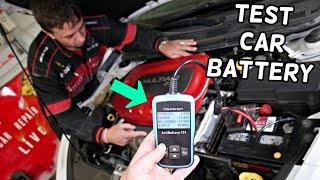
🎬 Watch: How to test your battery and alternator with a multimeter.- With the engine off, connect the multimeter to your battery terminals. A healthy, fully charged battery should read around 12.6 volts.
- Start the engine. With the alternator running and charging the system, the voltage at the battery terminals should increase to approximately 14.0 to 14.5 volts.
- If the voltage stays near 12.6V or drops while the engine is running, the alternator is likely not charging. If the engine-off voltage is below 12V, the battery may be bad and unable to hold a charge.
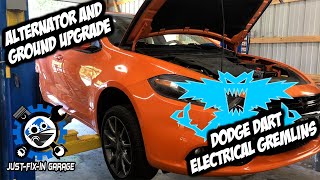
Pro Tip: Before condemning the alternator, check the 200-amp 'mega fuse' located in the fuse block on top of the positive battery terminal. A partially failed or corroded fuse can prevent the alternator from charging the battery, perfectly mimicking the symptoms of a bad alternator. Also, check and clean the main engine and body ground connections, as poor grounds are a known source of electrical issues on these cars.
🎬 See how a bad ground can cause a no-start condition.Buying a Used Alternator for Your Dodge Dart

A used OEM alternator can be a reliable and cost-effective alternative to expensive new parts, especially when compared to cheap, low-quality aftermarket units. Here’s what to look for when buying a used alternator for your 2013-2016 Dart.
1. Verify Compatibility and Amperage
Warning: The Dodge Dart with the 2.0L and 2.4L engine was available with different alternators, most commonly a 120-amp and a 140-amp version. Higher trim levels like the GT often came with the 140-amp unit. While the mounting points may be the same, it is critical to replace your alternator with one of the same amperage. Using the wrong amperage can cause charging system problems. The OEM part numbers 56029580AA, 56029580AB, and 56029580AC correspond to the 140-amp version. Always verify the part number or amperage of your original unit before ordering a replacement.
Note that the 1.4L Turbo engine uses a completely different alternator and is not compatible.
2. Physical Inspection
When inspecting a used alternator, check the following:
- Pulley: Spin the pulley by hand. It should spin smoothly and quietly. Any grinding noise or roughness indicates bad bearings. Check the pulley grooves for damage. The Dart uses a decoupler pulley, which should have a slight one-way clutch action.
- Housing: Inspect the aluminum case for any cracks, heavy corrosion, or signs of being dropped.
- Connectors: Ensure the electrical connector pins are straight and clean. Check that the main power stud and its threads are not damaged.
- Signs of Contamination: Look for signs of oil or coolant that may have leaked onto the alternator from a faulty gasket or hose above it. Fluid contamination is a common cause of premature alternator failure.
3. Mileage Considerations
While there is no exact lifespan, alternator failure is common on vehicles over 100,000 miles. Some Dart owners have reported issues at lower mileages, between 40,000 and 60,000 miles. When buying used, look for a part from a lower-mileage vehicle (ideally under 80,000 miles) to ensure a longer service life.
Known Issues, Recalls, and TSBs

There are no recalls specifically for the alternator on the 2013-2016 Dodge Dart. However, several related issues are important for owners to be aware of.
- Recall 19V-293 / 25V674 (Shifter Cable Bushing): A widespread recall was issued because the transmission shifter cable bushing could fail, preventing the vehicle from being secured in 'Park'. This could lead to a rollaway risk.
- TSB 18-023-16 (PCM Updates): Multiple Technical Service Bulletins were released to update the Powertrain Control Module (PCM) software. These updates address a wide range of issues including rough idle, false diagnostic codes, and general drivability improvements for the 2.4L engine.
- TSB 09-003-23 (Oil Consumption): Some 2.4L engines may experience excessive oil consumption. This can lead to low oil levels, which can cause the engine to stall, a symptom that can sometimes be mistaken for an electrical issue.
Replacement Overview & Torque Specs

Replacing the alternator on a 2.0L or 2.4L Dart is a moderately difficult job that a skilled DIYer can perform. The alternator is located on the front of the engine.
- Difficulty: 3 out of 5
- Estimated Time: 2-3 hours
- DIY Feasible: Yes
Key Steps:
- Disconnect the Battery: Always disconnect the negative battery terminal first to prevent electrical shorts.
- Access: The job is typically done from both the top of the engine bay and from underneath. You will need to raise the vehicle and remove the passenger-side front wheel and the inner fender splash shield.
- Remove Serpentine Belt: Using a 16mm wrench on the belt tensioner, rotate it to release tension and slip the serpentine belt off the alternator pulley.
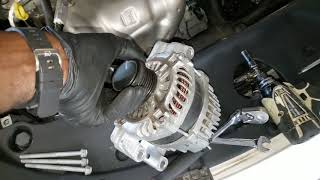
- Engine Mount (2.4L): For the 2.4L engine, there is very little clearance. The common procedure is to support the engine from below with a jack and a block of wood, then remove the upper engine torque mount (dogbone mount) to allow the engine to be shifted slightly for access. 🎬 Watch this step-by-step 2.4L alternator replacement walkthrough.
- Unbolt Alternator: Disconnect the main power wire (13mm nut) and the electrical plug. Remove the mounting bolts (typically 1/2" or 13mm).
- Installation and Torque: Installation is the reverse of removal. Tighten the alternator mounting bolts to **18 ft-lbs (24 Nm)**.
Pro Tip: Since you are already removing the serpentine belt, it is highly recommended to replace both the serpentine belt and the belt tensioner at the same time. These are wear items and replacing them now can save you from having to do the job twice.
Cost Comparison
Prices for a 2013-2016 Dodge Dart alternator can vary significantly based on the source.
| Part Type | Estimated Price Range |
|---|---|
| New OEM (Mopar) | $460 - $510 (+ $75 Core Charge) |
| Remanufactured | $180 - $300 |
| New Aftermarket | $150 - $250 |
| Used OEM | $50 - $125 |
| Shop Labor | $250 - $380 |
Frequently Asked Questions (FAQ)
Can I drive my Dodge Dart with a bad alternator?
No. Once the battery warning light is on, the car is running only on battery power. Depending on the battery's condition, you may only have a very short time (minutes to maybe an hour) before the battery is completely drained and the engine shuts off, which will also disable power steering and power brakes. It is not safe to drive.
Do I need the 120 amp or 140 amp alternator?
It depends on how your car was equipped from the factory. Higher trim models often used the 140-amp version. The safest way to know is to check the part number on your original alternator. You can also provide your VIN to a dealer to look up your vehicle's build sheet. It is best to replace it with the same amperage unit.
Is rebuilding my Dart's alternator a good option?
For most people, no. While rebuilding can be cheaper if only minor components like brushes have failed, it requires special knowledge and tools. Given the availability of affordable used and remanufactured units, replacing the entire alternator is the more common and practical solution.
Why are my lights still dim after replacing the alternator and battery?
If you've replaced both and still have issues, check two things. First, inspect the 200-amp mega fuse on the battery terminal. Second, check the condition of your engine and body ground straps. The Dodge Dart is known for having electrical issues caused by poor grounds. Cleaning the contact points or adding a supplemental ground wire is a common and effective fix.
Helpful Videos
Technical Specifications
OEM Part Numbers: 56029580AA 56029580AB 56029580AC
Amperage: 140 Amps (for specified OEM numbers), Voltage: 12V, Rotation: Clockwise, Pulley: 6-Groove Decoupler Pulley. Note: A 120 Amp version also exists for these vehicles.
We Have This Part in Stock



The information in this article is provided for general reference and educational purposes only. Vehicle specifications, procedures, and part compatibility can vary by production date, trim level, and region. Always consult your vehicle's factory service manual and verify part numbers before purchasing or performing repairs. Safety-critical components such as airbags, seat belts, and braking systems should be installed by a qualified professional.
- Dodge Dart:
- 🎬 Helpful Videos
- 🛍️ Shop This Part
- Symptoms of a Failing Dodge Dart Alternator
- Is It the Alternator, Battery, or Something Else?
- Buying a Used Alternator for Your Dodge Dart
- 1. Verify Compatibility and Amperage
- 2. Physical Inspection
- 3. Mileage Considerations
- Known Issues, Recalls, and TSBs
- Replacement Overview & Torque Specs
- Key Steps:
- Cost Comparison
- Frequently Asked Questions (FAQ)
- 🎟️ Get 5% Off