

2013-2017 Audi A4, A5, Q5 & Allroad Alternator: Decoding Whining Noises and Charging Issues
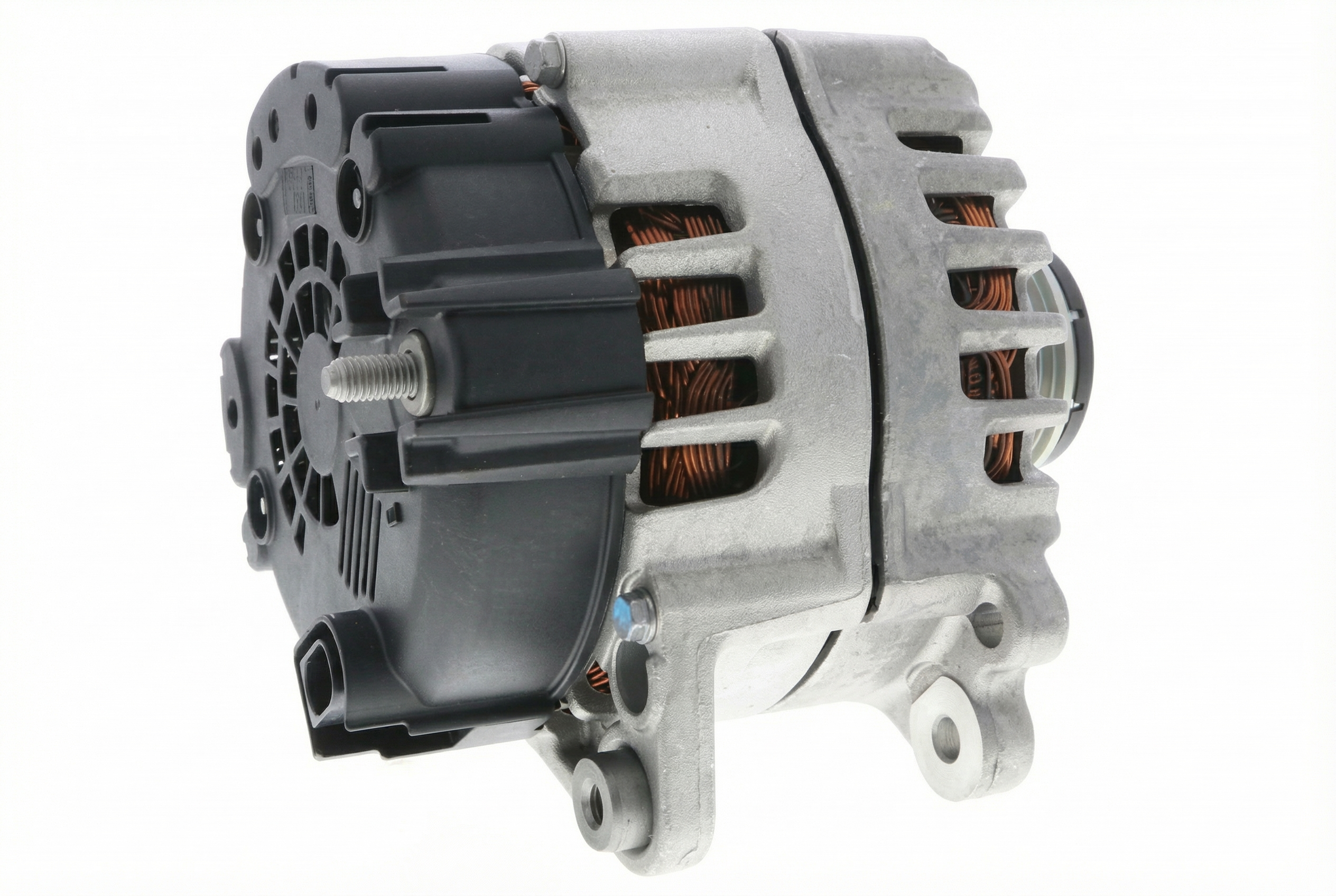
This guide covers the common failure symptoms, replacement costs, and crucial compatibility details for the 180 Amp Valeo alternator used in the A4, A5, Q5, and Allroad.
- This alternator is a 180 Amp Valeo unit; verifying this specification is critical before purchasing a replacement.
- Common failure symptoms include a battery warning light, dimming or flickering lights, and a whining noise from the engine that changes with RPM.
- When replacing the alternator, it is highly recommended to also replace the serpentine belt and inspect the belt tensioner for wear.
- A quality used OEM alternator offers the best value, providing a reliable, correct-spec part for a fraction of the cost of a new dealer part.
Symptoms of a Failing Alternator

When the alternator in your Audi begins to fail, it can cause a variety of electrical and mechanical symptoms. Recognizing these signs early can help you avoid a breakdown.
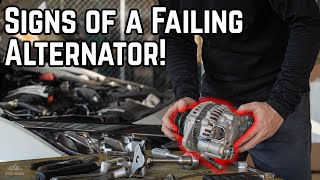
🎬 Watch: Learn how to spot a bad alternator earlyElectrical Symptoms
- Battery Warning Light: The most obvious sign is a battery-shaped warning light on your dashboard. This light indicates a problem within the charging system, and while it could be a battery issue, it's often the first sign of a failing alternator.
- Dimming or Flickering Lights: You may notice your headlights and dashboard lights dim or flicker, especially at idle or when using multiple accessories like the heater and radio. Conversely, lights might also become unusually bright if the voltage regulator inside the alternator fails.
- Slow or Malfunctioning Accessories: Power windows that operate slower than usual, an erratic radio, or other misbehaving electronics can point to the alternator not providing enough consistent power.
- Difficulty Starting or Frequent Stalling: A weak alternator won't properly charge the battery. This can lead to a dead battery, a slow-cranking engine, or an engine that stalls frequently because there isn't enough power for the spark plugs and fuel system.
Noises and Smells
- Whining or Grinding Noises: A high-pitched whining or a grinding sound coming from the front of the engine is a classic sign of bad alternator bearings. This noise will typically change pitch and volume with engine speed.
- Squealing Noise: A loud squeal often points to a problem with the serpentine belt that drives the alternator. The belt could be slipping on the alternator's pulley due to wear or a failing tensioner.
- Burning Smell: A smell like burning rubber or an electrical fire can indicate that the alternator is overheating or its drive belt is slipping and creating excessive friction. An overloaded alternator can push too much current through its wires, causing them to heat up and produce a dangerous odor.
Known Issues, Recalls, and Technical Service Bulletins (TSBs)

While there are no specific recalls for the alternator itself on these models, several related recalls and issues are important for owners to be aware of.
- NHTSA Recall 18V229 (Coolant Pump): Affects 2013-2017 A5 and Q5, and 2013-2016 A4 and Allroad models. The electric coolant pump can become blocked with debris, leading to overheating and a potential fire risk. While not directly the alternator, any major electrical issue or engine fire can damage related components.
- NHTSA Recall 17V622 (Auxiliary Heater): Affects 2013-2016 A4, A5, Allroad, and Q5 models. Corrosion in the auxiliary heater's electrical connector can cause wires to overheat and melt, increasing the risk of a fire. This highlights the sensitivity of the vehicle's electrical system.
- NHTSA Recall 14V667 (Airbags): Affects 2013-2015 A4 and Allroad models. An improper algorithm in the airbag control module could prevent frontal airbags from deploying in a secondary impact.
- NHTSA Recall on Fuel Pump Flange (Q5): Affects 2013-2017 Q5 models. The fuel pump flange may develop cracks, which could lead to a fuel leak and fire risk.
No Technical Service Bulletins (TSBs) directly related to widespread alternator failure on these specific models were found during research. Most issues appear to be related to normal wear and tear.
Buying a Used Alternator: What to Look For

A quality used OEM alternator can be a reliable and cost-effective alternative to an expensive new unit. Here’s how to choose a good one.
Compatibility Warning: These Audi models primarily use a 180 Amp alternator manufactured by Valeo. Always verify the amperage and manufacturer of your original part before buying a replacement. For 2017 Audi Q5 models, this part only fits the first-generation platform, identifiable by 'FP' as the 7th and 8th characters of the VIN.
- Verify Part Numbers: Check for OEM part numbers like 06H903017K, 06H903018M, or Valeo number 439798. This is the best way to ensure a perfect match.
- Physical Inspection:
- Housing: Look for any cracks or significant corrosion on the aluminum housing.
- Pulley: The pulley should be clean, free of damage, and spin smoothly by hand. A rough or noisy pulley indicates bad bearings. This alternator uses a 6-groove clutch pulley.
- Electrical Connectors: Ensure the plastic connectors are not cracked or broken and the metal terminals are clean and free of corrosion.
- Mileage Considerations: Alternator failure is often related to mileage and usage. While there's no exact lifespan, failures become more common after 100,000 miles. A used unit from a lower-mileage vehicle is generally a safer bet.
- Why Used OEM vs. New Aftermarket: An original equipment (OEM) Valeo alternator is designed specifically for your Audi's electrical system. It ensures proper voltage regulation and fitment. Cheaper aftermarket alternators can sometimes cause issues with sensitive vehicle electronics or have a shorter lifespan, making a reliable, low-mileage used OEM part a smarter choice.
Cost of Replacement
The cost to replace an alternator can vary significantly based on the part source and labor rates. Getting a professional repair can be expensive, with the majority of the cost often being the part itself.
| Part/Service | Estimated Cost | Notes |
|---|---|---|
| New OEM (Dealer) | $650 - $1,250 | This is for the part only. Prices vary by dealership. |
| New OEM (Online) | $580 - $610 | Valeo-branded OEM part from online retailers. |
| New Aftermarket | $150 - $320 | Prices vary widely by brand and quality. |
| Remanufactured | $160 - $280 | A common option, but quality can be inconsistent. |
| Used OEM | $75 - $200 | Offers the best value, providing an original part at a significant discount. |
| Shop Labor | $160 - $300 | Typically 1.5-2.5 hours of labor. |
Replacement Overview & Related Parts
Replacing the alternator on the 2.0T engine in these Audis is a moderately difficult job that can be done by an experienced DIYer. Access is tight at the front of the engine.
Pro Tip: Before starting, disconnect the negative terminal of the battery to prevent electrical shorts.
Key Steps:
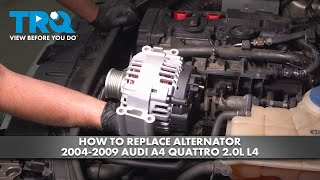
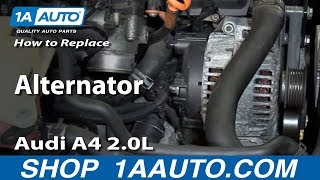
- Release Belt Tension: Use a long wrench (typically 17mm or 18mm) on the serpentine belt tensioner to relieve tension and slip the belt off the alternator pulley.
- Remove Mounting Bolts: The alternator is typically held on by two to four bolts (often 6mm Allen head bolts). Accessing the lower bolt can be tricky.
- Disconnect Wiring: Remove the main power cable (held by a nut) and the electrical connector from the back of the alternator.
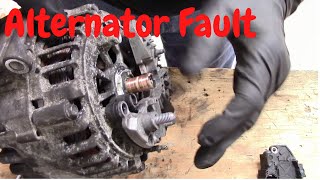
- Installation: Installation is the reverse of removal. Torque the alternator mounting bolts to the correct specification, which is approximately 17 ft-lbs (23 Nm). 🎬 See this step-by-step 2013 Audi A4 alternator replacement
Related Parts to Replace
It is highly recommended to replace these parts at the same time as the alternator:
- Serpentine (Drive) Belt: If the belt is old, cracked, or glazed, it should be replaced. A new belt ensures the new alternator is driven effectively.
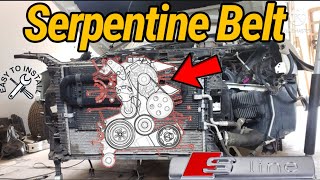
- Belt Tensioner: The tensioner pulley bearing can wear out, causing noise. The spring can also weaken, failing to provide proper belt tension. If the tensioner is original and has high mileage, replacing it is cheap insurance against future problems. 🎬 Watch: How to remove the serpentine belt
Frequently Asked Questions (FAQ)
Can I drive my Audi with a failing alternator?
It is not recommended. Initially, the car will run off the battery's charge, but it will only last for a short time. Once the battery is depleted, the engine will stall, and you will be stranded. It's best to get the vehicle serviced as soon as symptoms appear.
Is it better to rebuild my alternator or replace it?
For this specific Valeo alternator, replacement is far more common and practical than rebuilding. Finding a qualified shop to rebuild it and sourcing the correct internal parts can be difficult and may not be cost-effective compared to purchasing a quality used or remanufactured unit.
Why is my battery light still on after replacing the alternator?
This could be due to several reasons: a faulty replacement alternator, a poor electrical connection at the alternator or battery, a blown fuse, or a damaged wire in the charging harness. It could also mean the battery was permanently damaged from being deeply discharged and can no longer hold a proper charge.
Do I need to use a 180 Amp alternator?
Yes. It is critical to use an alternator with the same amperage rating as the original. These vehicles have high electrical demands, and using a lower-rated alternator (like a 140 or 150 Amp unit from other models) can lead to an undercharged battery, poor performance of accessories, and premature failure of the new alternator.
Helpful Videos
Technical Specifications
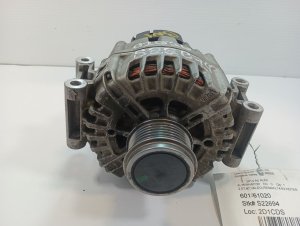
OEM Part Numbers: 06H903017K 06H903017KX 06H903018M 06H903018MX PAC903018
Amperage: 180A, Manufacturer: Valeo, Voltage: 12V, Pulley: 6-Groove Clutch Pulley, Rotation: Clockwise
We Have This Part in Stock




The information in this article is provided for general reference and educational purposes only. Vehicle specifications, procedures, and part compatibility can vary by production date, trim level, and region. Always consult your vehicle's factory service manual and verify part numbers before purchasing or performing repairs. Safety-critical components such as airbags, seat belts, and braking systems should be installed by a qualified professional.
- Audi A4:
- Audi Q5:
- Audi A5:
- Audi Allroad:
- 🎬 Helpful Videos
- 🛍️ Shop This Part
- Symptoms of a Failing Alternator
- Electrical Symptoms
- Noises and Smells
- Known Issues, Recalls, and Technical Service Bulletins (TSBs)
- Buying a Used Alternator: What to Look For
- Cost of Replacement
- Replacement Overview & Related Parts
- Key Steps:
- Related Parts to Replace
- Frequently Asked Questions (FAQ)
- 🎟️ Get 5% Off