

2016-2021 Tesla Model S Air Suspension Module: Faults, Programming, and Replacement Guide
Diagnose 'Air Suspension Needs Service' warnings and understand the critical software calibration required when replacing the control module.
- A replacement module (new or used) MUST be programmed and calibrated to the vehicle using Tesla's proprietary 'Toolbox 3' software.
- This repair is not feasible for a typical DIY mechanic; a visit to Tesla or a specialized independent shop is required.
- Symptoms of a bad module (like sagging) overlap with more common issues like leaking air struts, so proper diagnosis is essential.
- Always match the OEM part number from your original module when buying a used replacement to ensure compatibility.
Symptoms of a Failing Air Suspension Control Module
A problem with the air suspension control module can be difficult to distinguish from other suspension issues like a leaking air strut or a failing compressor. The module is the command center, so when it fails, it can create a wide range of symptoms. Diagnosing the problem correctly is key to avoiding the replacement of unnecessary parts.
- Warning Lights: The most direct sign of a problem is a warning on the instrument panel. A yellow icon of a car with up and down arrows indicates a fault that reduces performance, while a red icon means the system is disabled. You may also see messages like "Air Suspension Needs Service" or specific fault codes.
- Vehicle Sagging or Leaning: You may notice one or more corners of the car sitting lower than the others, especially after being parked overnight. While this is a classic sign of a leaking air spring, it can also be caused by a faulty module or sensor that is incorrectly telling the system to release air.
- Incorrect Ride Height: The vehicle may be stuck in one ride height setting (e.g., Low or High) and will not respond to manual adjustments from the touchscreen.
- Harsh or Bumpy Ride: If the module fails to properly manage the air springs, the ride can become noticeably stiff and bumpy as the suspension is no longer effectively absorbing road imperfections.
- Overactive Compressor: If you hear the air suspension compressor running constantly or more frequently than usual, it could be trying to compensate for a command error from the module, not just a physical air leak.
Common Diagnostic Trouble Codes (DTCs)
Tesla uses proprietary fault codes that can be read with advanced diagnostic tools. While a comprehensive list is not publicly available, owners and technicians have reported codes related to the air suspension system (TAS). An example seen in forums is TAS_a217, indicating the air suspension compressor is disabled and the vehicle cannot raise itself. A proper diagnosis involves reading these codes to determine if the fault points to the compressor, a sensor, a valve, or the control module itself.
Pro Tip: Before condemning the control module, rule out other common failures. A single corner sagging is very often a leak in that specific air strut. A technician can perform a leak test using soapy water on the air springs and lines. If the entire vehicle fails to raise and the compressor never turns on, the issue could be the compressor itself, its relay, or a fuse.
Known Issues, TSBs, and Recalls
For the 2016-2021 model years, there are no major recalls or Technical Service Bulletins (TSBs) issued by Tesla or the NHTSA that specifically target the Air Suspension Control Module. Investigations have been conducted on other suspension components, such as the front suspension fore links on some 2016-2017 models, but these were for mechanical parts, not the electronic module. The most widely reported issues with the Model S air suspension system are age-related failures of the air struts (leaks) and wear on the air compressor.
Programming and Calibration Requirements
This is the most critical information for anyone replacing this part. A used or new Air Suspension Control Module cannot be simply swapped into the vehicle. Post-installation software procedures are mandatory for the system to function.
Warning: Replacing the Air Suspension Control Module is not a simple plug-and-play repair. The vehicle will require software calibration using proprietary Tesla diagnostic tools. Failure to perform these steps will result in the system not working.
According to Tesla's official service documentation, the following steps are required after the physical installation is complete:
- Connect to Tesla Toolbox 3: A technician must connect a laptop with Tesla's diagnostic software (Toolbox 3) to the vehicle's diagnostic port.
- Unlock Vehicle Gateway: The vehicle's gateway must be unlocked to allow diagnostic communication and programming.
- Firmware Reinstall: The service procedure may require a firmware reinstall, also known as a "CAN redeploy," which pushes the vehicle's configuration to the new module.
- Perform Calibration: The final, essential step is to run the "Air Suspension Calibration" or "Ride Height - Adjust" routine. This procedure teaches the new module the correct height sensor values for each suspension setting (Low, Standard, High, etc.).
Because these tools and procedures are proprietary, this work must be done by a Tesla Service Center or an independent repair shop that has invested in the proper equipment and subscriptions. An average DIY mechanic or a standard repair shop will not be able to complete the job.
Buying a Used Air Suspension Control Module
Purchasing a used OEM module is an excellent way to save a significant amount of money compared to a new part from Tesla. Since these are purely electronic components with no moving parts, a unit from a low-mileage, collision-free vehicle is generally a reliable part. Here’s what to look for:
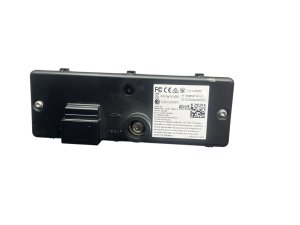
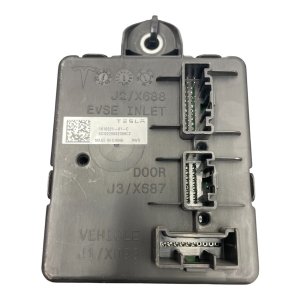
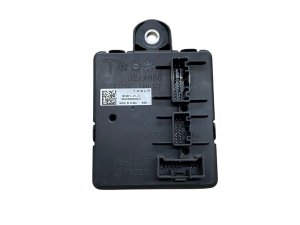
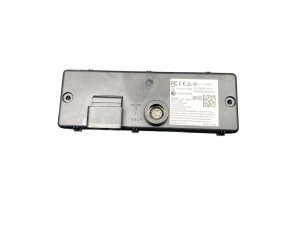
- Verify the Part Number: Before purchasing, you must match the part number on the used module to the one on your original unit. Tesla uses different hardware revisions, and an incompatible module will not work. The part number is printed on a sticker on the module's housing.
- Inspect for Physical Damage: Check the casing for any cracks, signs of being opened, or water damage. Pay close attention to the electrical connector pins—they should be straight, clean, and free of any corrosion.
- Source Vehicle Information: If possible, buy from a seller who can provide the VIN and mileage of the donor car. A module from a lower-mileage vehicle is always preferable. Avoid parts from flood-damaged vehicles at all costs.
- Plan for Programming: Remember to factor in the cost of programming and calibration. Contact a Tesla Service Center or a qualified independent Tesla specialist beforehand to get a quote for the labor to install and program the module you provide.
Cost Breakdown
The cost to fix a faulty air suspension control module can vary significantly based on the price of the part and local labor rates. Remember that programming is a required labor cost.
| Part or Service | Estimated Cost |
|---|---|
| New OEM Module | $800 - $1,000+ (part only, from Tesla) |
| Used OEM Module | $150 - $400 (part only, depending on source and condition) |
| Shop Labor (Installation & Programming) | $250 - $500+ (dependent on shop and complexity) |
Replacement Overview
The physical replacement of the module is moderately difficult due to the amount of interior trim that must be removed. The module is located in the front of the cabin, typically under the carpet in the passenger or driver-side footwell area near the center stack.
The general steps involve:
- Disconnecting the 12V power supply (a critical safety step).
- Removing the front seat(s) and center console assembly.
- Removing various trim panels and peeling back the main cabin carpet to access the module and its mounting bracket.
- Unbolting the bracket, disconnecting the two or three electrical connectors, and removing the old module.
- Installation is the reverse of removal, followed by the mandatory software calibration described above.
Frequently Asked Questions (FAQ)
Do I have to take my car to Tesla to program a new or used air suspension module?
You must take it to either a Tesla Service Center or an independent repair shop that has the official Tesla Toolbox 3 diagnostic software and knows how to perform the gateway unlock and suspension calibration procedures. A standard mechanic cannot complete this job.
Can I drive my Model S with a bad air suspension module?
It depends on the failure. If the car is stuck at a very low height, you risk damaging the underbody and tires, and the ride will be extremely harsh. If it's stuck at a normal height but won't adjust, it is generally drivable but should be repaired soon. If a red suspension warning light is on, the system is disabled and you should contact Tesla service.
My car is leaning to one side. Is it the control module?
While possible, it is much more likely to be a leaking air spring (strut) at the corner that is sagging. This is the most common failure point in the system. A diagnostic check is needed to confirm the cause.
Where is the air suspension control module located on a 2016-2021 Model S?
It is located inside the car, in the front footwell area. Depending on the specific year and configuration (LHD/RHD), it may be under the carpet near the center console or firewall, requiring the removal of seats and trim to access.
Technical Specifications
OEM Part Numbers: 1033174-01-F (Context from Model X, may be similar) Note: Always verify the part number on your specific vehicle's module before ordering a replacement.
The Air Suspension Control Module is an Electronic Control Unit (ECU) that operates on the vehicle's 12V system and communicates over the CAN bus network.
We Have This Part in Stock



The information in this article is provided for general reference and educational purposes only. Vehicle specifications, procedures, and part compatibility can vary by production date, trim level, and region. Always consult your vehicle's factory service manual and verify part numbers before purchasing or performing repairs. Safety-critical components such as airbags, seat belts, and braking systems should be installed by a qualified professional.
- Tesla S:
- 🛍️ Shop This Part
- Symptoms of a Failing Air Suspension Control Module
- Common Diagnostic Trouble Codes (DTCs)
- Known Issues, TSBs, and Recalls
- Programming and Calibration Requirements
- Buying a Used Air Suspension Control Module
- Cost Breakdown
- Replacement Overview
- Frequently Asked Questions (FAQ)
- 🎟️ Get 5% Off