

2003-2009 Lexus GX470 Air Suspension Module: Diagnosing AHC Faults and the Flashing 'OFF' Light
This guide covers the symptoms, diagnosis, and replacement of the Air Suspension Control Module, including whether it needs programming and how to tell if the module is truly the problem.
- The Air Suspension Control Module for the 2003-2009 GX470 is PLUG-AND-PLAY and does not require any programming or dealer visit after replacement.
- Before replacing the module, rule out more common failures: leaking air springs, faulty height sensors, a burnt-out compressor, or a corroded console switch.
- A flashing 'OFF' light is the primary symptom, but the specific OBD-II code C1761 is the strongest indicator of an actual module failure.
- This module is only for the factory air suspension. It is not needed and should be disconnected if the vehicle has been converted to coil springs.
Symptoms of a Failing Air Suspension Control Module
A problem with the Air Suspension Control Module can manifest in several ways, often mimicking failures of other components in the system. It's important to diagnose the issue correctly, as the module itself is not always the root cause.
- Flashing "OFF" Light: The most common indicator is a flashing "OFF" light on the dashboard's height control display. This signals a fault within the Adjustable Height Control (AHC) system.
- Suspension Stuck at One Height: The vehicle may be stuck in the high, normal, or low position and will not respond to commands from the interior switch.
- Vehicle Sagging or Bottoming Out: The rear of the GX470 may sag completely, sitting low on its bump stops, resulting in an extremely harsh and bouncy ride. This can happen if the module fails to command the compressor to fill the air springs.
- Compressor Inactivity or Constant Running: The module may fail to activate the compressor, or in rarer cases, fail to turn it off. A compressor that runs continuously is more often a sign of a significant air leak that the module is trying to compensate for.
- No Response from Controls: The height adjustment and suspension comfort switches on the center console may become completely unresponsive.
Associated OBD-II Diagnostic Trouble Codes (DTCs)
A professional scan tool capable of reading chassis codes is necessary to pull these specific DTCs. A standard engine code reader may not see them.
| Code | Description | Common Cause |
|---|---|---|
| C1761 | AHC ECU Malfunction | This code points directly to an internal failure of the Air Suspension Control Module. |
| C1751 | Compressor Continuous Run Time | Often mistaken for a module failure, this code usually means there is a leak in the air springs, forcing the compressor to run excessively to maintain pressure. |
| C1741 / C1743 | Compressor Relay / Main Relay Circuit Malfunction | Could be a faulty relay, wiring issue, or a problem with the module's output circuit. |
| C1733 / C1734 | Height Control Sensor Circuit | Indicates a problem with the ride height sensors or their wiring, which are common failure points. |
Diagnosing the Problem: Is It Really the Module?
Before condemning the control module, it's critical to rule out more common failure points in the GX470's AHC system. The module is often blamed when another component is the actual culprit.
- Check the Height Sensors: The rear height sensors are exposed to the elements and are a very common failure point. Corrosion can cause them to seize or fail internally, sending erratic signals to the module. This can trick the system into fully deflating or inflating the rear suspension. Visually inspect the sensors and their linkage for damage.
- Inspect for Air Leaks: The rubber air springs (air bags) dry rot and crack with age. Spray the air springs with soapy water and look for bubbles, which indicate a leak. A leaking spring will cause the compressor to overwork and eventually burn out, often triggering a C1751 code.
- Test the Compressor: If the compressor never runs, check its dedicated 50A and 10A fuses in the under-hood fuse box. A seized or burnt-out compressor is a frequent issue, usually secondary to air leaks.
- Inspect the Console Switch: Spilled drinks are a surprisingly common cause of AHC problems. Liquid can seep into the height and comfort control switch panel, causing corrosion and short circuits that send constant or nonsensical signals to the module. If the switch is sticky or shows signs of spills, it may be the source of the fault.
Pro Tip: If you have access to a high-level scan tool like Toyota's Techstream, you can perform active tests on the system. You can command individual solenoids and the compressor to activate. If they don't respond during an active test, but the wiring and components are good, it strongly suggests a faulty control module.
Buying a Used Air Suspension Control Module
For the 2003-2009 GX470, a used OEM module is an excellent and cost-effective repair option. Because these modules are reliable, a tested unit from a reputable recycler is a smart choice.
- No Programming Required: This is the most important factor. The AHC ECU for this generation GX470 is plug-and-play. It does not need to be programmed, flashed, or coded to your vehicle's VIN. Installation is a direct swap.
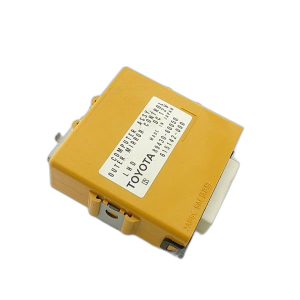
- Verify the Part Number: While there are several part numbers for this generation, it is always best practice to match the number on your original module exactly. The primary OEM part number is 89293-60030, with subsequent revisions being 89293-60031, 89293-60032, and 89293-60033.
- Physical Inspection: When buying a used module, inspect the case for any signs of physical damage or being opened. Most importantly, check the connector pins. They should be clean, straight, and free of any green or white corrosion, which would indicate water intrusion.
- Why Used OEM is a Good Choice: Unlike some aftermarket electronic parts that can have compatibility issues, a used OEM Lexus module was built to the original factory standard for quality and durability. Given that programming is not a concern, it offers the same performance as a new part for a fraction of the price.
Replacement Overview
Replacing the AHC module is straightforward but requires patience due to its location.
- Location: The Air Suspension Control Module is located high in the driver's side footwell, above the fuse panel and behind a tangle of wiring harnesses.
- Procedure:
- Disconnect the negative battery terminal.
- Remove the driver's side door sill plate and the kick panel to gain access.
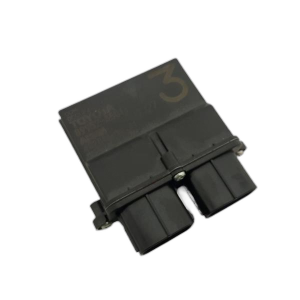
- Locate the module, which is a small metal box with three wiring connectors.
- Carefully disconnect the wiring harnesses and unbolt the module from its bracket.
- Install the replacement module, reconnect the harnesses, and reassemble the trim panels.
- Reconnect the battery. You may need to perform a system reset by disconnecting the battery for 10-15 minutes or by using a jumper wire on the OBD-II port as described in some forums.
Warning: Many owners choose to convert their failing air suspension to a standard coil spring setup. This module is not compatible with and not needed for a coil spring conversion. If your vehicle has been converted, this module should be disconnected or removed, and specific fuses must be pulled to prevent dash warning lights.
Known Issues, Recalls, and TSBs
- No Module Recall: There are no NHTSA recalls for the Air Suspension Control Module itself. A widely known recall (NHTSA 16V065000) pertains to the Air Bag Control Module for the vehicle's safety restraint system (SRS), which is a completely different part and system.
- Special Service Campaign (SSC 3LC): Affecting early 2003 models, this campaign involved replacing a pin on the lower air spring mount to prevent breakage in extreme off-road situations. It is unrelated to the ECU.
- Technical Service Bulletin (TSB SU002-05): For 2003-2004 models, this TSB addresses a problem where moisture can enter the air compressor's exhaust solenoid, leading to system contamination and potential freeze-up in cold weather. This is a compressor-related issue but is important for overall system health.
Estimated Cost of Replacement
Prices can vary significantly, especially for new OEM parts. A used module offers substantial savings.
| Part Source | Estimated Part Cost |
|---|---|
| New OEM (Dealer) | $1200 - $1400 |
| New OEM (Online) | $260 - $450 |
| Used OEM | $75 - $200 |
| Shop Labor | $100 - $250 |
Frequently Asked Questions (FAQ)
Does a replacement Air Suspension Control Module need to be programmed?
No. For the 2003-2009 Lexus GX470, the AHC module is a plug-and-play component. You do not need to visit a dealer for programming or flashing after installation.
Where is the AHC module located?
It is located in the driver's side footwell, positioned high up above the interior fuse box and behind the kick panel.
Can I drive my GX470 with a bad air suspension module?
Yes, but with significant risks and discomfort. If the suspension is stuck in a low or fully deflated position, the ride will be extremely harsh, and you risk damaging other components like the shocks from bottoming out. If it's stuck in the high position, the vehicle's center of gravity will be higher, affecting stability. It should be driven slowly and repaired as soon as possible.
Will replacing the module fix my sagging suspension?
Only if the module itself is the confirmed cause of the failure. More often, a sagging rear suspension is caused by leaking air springs or faulty height sensors. Proper diagnosis is essential before replacing the module.
Is it better to just convert to coil springs?
This is a popular modification for GX470 owners who want to eliminate the complexity and future repair costs of the AHC system. A coil conversion provides a reliable, fixed-height suspension. However, it eliminates the adjustable height and automatic load-leveling features. The choice depends on your budget and how you use the vehicle.
Technical Specifications
OEM Part Numbers: 89293-60030 89293-60031 89293-60032 89293-60033
Controls the rear Adjustable Height Control (AHC) system. Location: Driver's side footwell, above the fuse panel.
We Have This Part in Stock





The information in this article is provided for general reference and educational purposes only. Vehicle specifications, procedures, and part compatibility can vary by production date, trim level, and region. Always consult your vehicle's factory service manual and verify part numbers before purchasing or performing repairs. Safety-critical components such as airbags, seat belts, and braking systems should be installed by a qualified professional.
- Lexus GX470:
- 🛍️ Shop This Part
- Symptoms of a Failing Air Suspension Control Module
- Associated OBD-II Diagnostic Trouble Codes (DTCs)
- Diagnosing the Problem: Is It Really the Module?
- Buying a Used Air Suspension Control Module
- Replacement Overview
- Known Issues, Recalls, and TSBs
- Estimated Cost of Replacement
- Frequently Asked Questions (FAQ)
- 🎟️ Get 5% Off