

2011-2015 Scion iQ Airbags: SRS Light, Recalls, and Replacement Facts
Your definitive guide to diagnosing Scion iQ SRS problems, understanding a critical passenger airbag recall, and safely replacing airbag components.
- PROFESSIONAL INSTALLATION IS REQUIRED. Handling and replacing airbag components is dangerous and requires specialized tools to reset the system.
- If the SRS warning light is on, the entire airbag system is disabled and will not protect you in a crash.
- A recall (NHTSA 12V528000) affects the passenger airbag sensor on 2012-2013 models; ensure this free repair has been done by a dealer.
- When buying a used airbag, you must match the OEM part number exactly and inspect it for any signs of damage, corrosion, or prior deployment.
Understanding the Scion iQ Airbag System

The 2011-2015 Scion iQ is equipped with a comprehensive set of airbags to protect occupants in various crash scenarios. While the exact count can vary, a typical iQ includes:
- Driver's Front Airbag: Located in the steering wheel (Part numbers like 45130-74031-C0).
- Passenger's Front Airbag: Located in the dashboard.
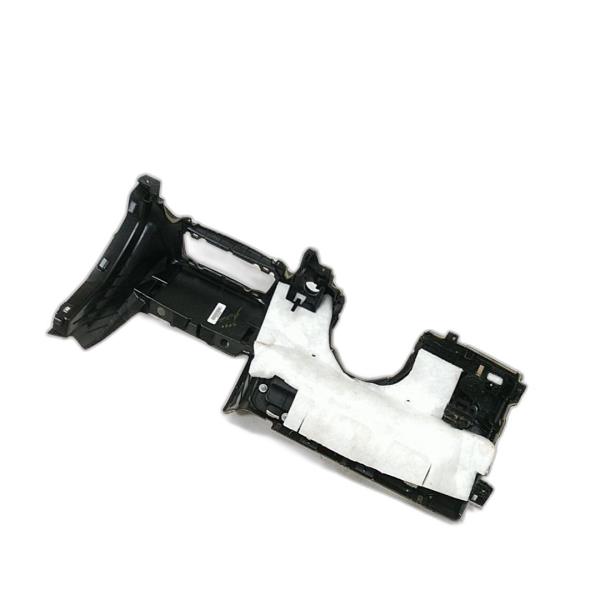
- Knee Airbags: For both driver and front passenger, located in the lower part of the dashboard.
- Seat-Mounted Side Airbags: Located in the outboard side of the front seats (Part numbers like 73910-74060).
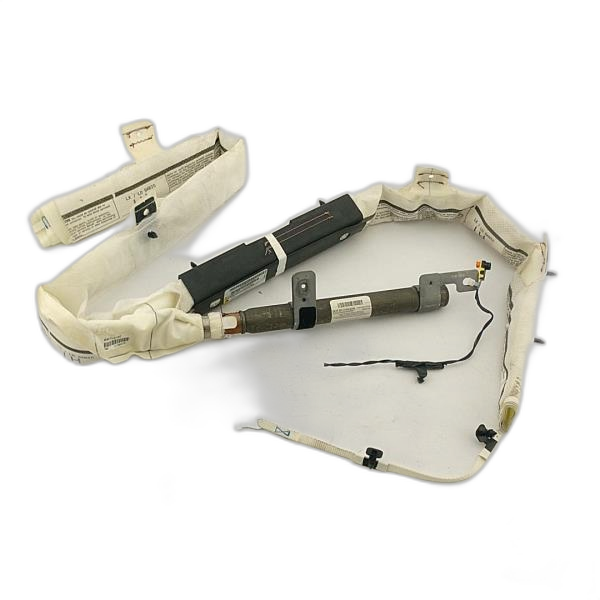
- Side Curtain Airbags: Deploy from the roofline to protect occupants' heads in a side impact.
- Rear Window Curtain Airbag: A unique feature in the iQ, this airbag deploys over the rear window (Part numbers like 633A0-74020).
The SRS Warning Light: What It Means and Why You Can't Ignore It

The most common sign of an airbag system problem is the illuminated SRS warning light on your dashboard. This light, which may look like an airbag icon or simply say "SRS," means the system's control module has detected a fault.
When this light is on, you must assume the airbags will NOT deploy in an accident. The system disables itself to prevent accidental deployment. Ignoring the light means you are driving without one of your vehicle's most important safety features.
Common causes for the SRS light include a faulty crash sensor, a problem with a seatbelt buckle sensor, a failed clock spring, or an issue with an airbag module itself. Sometimes, even low vehicle battery voltage can trigger a temporary SRS fault.
Critical Recall: Passenger Airbag Sensor Cable (2012-2013 Models)

There is a significant safety recall for certain 2012-2013 Scion iQ models concerning the front passenger airbag system.
- NHTSA Campaign ID: 12V528000
- The Problem: The cable for the Occupant Classification System (OCS) located under the passenger seat can become damaged as the seat is moved forward and backward. This system is responsible for determining the weight of the passenger to ensure the airbag deploys with the correct force or not at all.
- The Consequence: If the cable is damaged, the passenger airbag may fail to deploy in a crash, or it could deploy improperly for the occupant's size, increasing the risk of injury.
- The Fix: Toyota dealers will inspect the cable and install a protective cover free of charge. If the cable is already damaged, the seat sensor assembly will be replaced.
Owners can check if their specific vehicle is affected by entering their VIN on the NHTSA website. Even if you are not the original owner, this recall repair should be performed by a dealer.
Warning: Professional Installation is Mandatory. Replacing any component of the Supplemental Restraint System (SRS) is not a DIY job. Airbags contain explosive charges and can cause serious injury or death if handled improperly. Federal law also prohibits automotive repair businesses from rendering an airbag system inoperative.
Beyond the physical danger, the SRS control module requires specialized diagnostic tools, like Toyota's Techstream software, to properly reset the system, clear stored crash data, and ensure all sensors are calibrated correctly. Failure to do so will result in the SRS light remaining on and the system staying inactive.
Buying a Used 2011-2015 Scion iQ Airbag

For many owners, a used OEM airbag is a cost-effective way to repair the SRS system after a collision. However, buying a used safety component requires careful inspection and verification.
Inspection Checklist for Used Airbags
- Verify Part Numbers: Match the part number from your old airbag exactly. Different trim levels or model years can have different connectors or mounting points.
- Check for Deployment Indicators: Never buy an airbag that shows any sign of prior deployment. Look for torn seams, melted plastic, or burn marks.
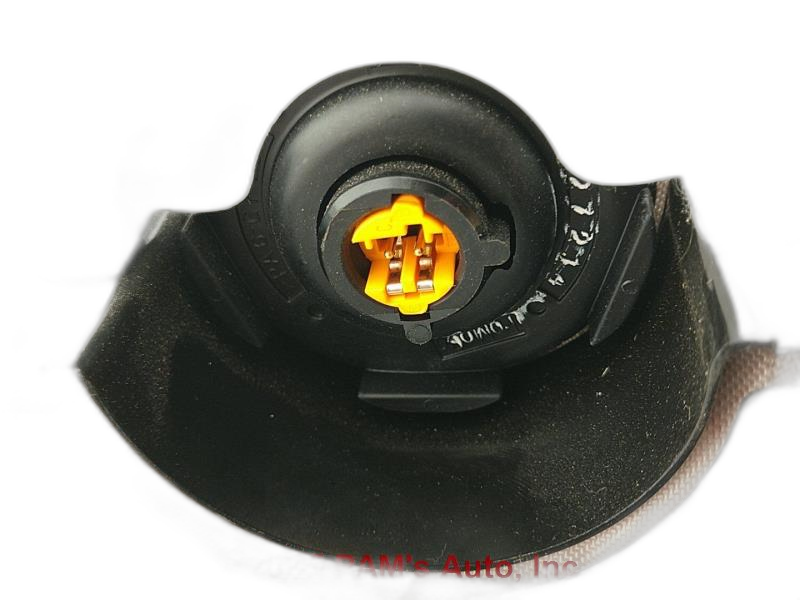
- Inspect Connectors: The electrical connectors should be clean, intact, and free of any corrosion or damage. Do not buy a part with cut or spliced wires.
- Look for Physical Damage: Inspect the airbag module's housing and mounting tabs for cracks, dents, or warping.
- Ask About the Donor Vehicle: Reputable sellers should be able to provide the VIN of the donor car. This allows you to check its history for flood damage, which can ruin SRS electronics.
Why Used OEM is the Only Safe Choice
For a critical safety part like an airbag, there is no reliable aftermarket equivalent. A used OEM (Original Equipment Manufacturer) airbag was built and tested to Toyota's strict safety standards. It is the only way to ensure proper fit, function, and communication with your car's SRS control module.
Related Components to Inspect
An SRS fault isn't always the airbag itself. If you're troubleshooting an SRS light, these related parts are common culprits:
- Clock Spring: This is a coiled ribbon of wires behind the steering wheel that maintains electrical contact for the driver's airbag, horn, and steering wheel controls as the wheel turns. A failed clock spring is a very common reason for an SRS light and may also cause the horn or buttons to stop working.
- SRS Control Module: The "brain" of the system. After a collision, it stores "crash data" and must be professionally reset or replaced. It is located under the center console area.
- Crash Sensors: Located in the front, sides, and pillars of the car, these sensors tell the module when an impact has occurred. They can fail due to corrosion or impact damage.
- Seat Belt Pretensioners: These devices use a small explosive charge to tighten the seatbelt during a crash. They are a one-time-use item and will trigger the SRS light after they've been activated.
Cost Comparison for Scion iQ Airbag Replacement
| Part/Service | Estimated Cost |
|---|---|
| New OEM Airbag (Driver or Passenger) | $700 - $1,200+ |
| Used OEM Airbag (Driver or Passenger) | $130 - $250 |
| New OEM Clock Spring | $250 - $500 |
| SRS Module Reset Service (Mail-in) | $50 - $100 |
| Shop Labor (Airbag Replacement) | $150 - $300 per airbag |
| Shop Labor (SRS Module or Clock Spring) | $100 - $200 |
Frequently Asked Questions (FAQ)
Can I install a Scion iQ airbag myself to save money?
No. This is extremely dangerous and strongly advised against. Airbags are explosive devices that can cause severe injury or death if handled incorrectly. Furthermore, the system requires professional-grade scan tools to be reset and verified, which DIY mechanics do not have.
What happens if I just ignore the SRS light?
If the SRS light is on, the entire airbag system is disabled as a fail-safe. This means that in the event of an accident where airbags would normally be needed, they will not deploy, significantly increasing the risk of serious injury or death for all occupants.
Does the SRS system need to be reset after replacing a part?
Yes. After any repair, a specialized diagnostic tool must be used to clear the fault codes. If the repair was due to a collision, the SRS control module stores permanent crash data and must be sent to a specialist for a hard reset or be replaced entirely. A standard OBD2 code reader cannot clear these codes.
My horn and steering wheel buttons stopped working along with the SRS light. What's the problem?
This combination of symptoms almost always points to a failed clock spring. The clock spring is the electrical interface for all components on the steering wheel, including the driver's airbag. When it breaks, all of those components lose their connection to the car's computers.
Technical Specifications
OEM Part Numbers: 45130-74030-C0 45130-74031-C0 62170-74050 62170-74051 62180-74050 62180-74051 633A0-74011 633A0-74020 633A0-74021 73900-74030-B0 73900-74030-C0 73905-74020 73905-74030 73910-74060 73910-74070
System components include driver, passenger, knee, seat-mounted side, side curtain, and rear window airbags, managed by a central SRS control module and various crash sensors.
We Have This Part in Stock


The information in this article is provided for general reference and educational purposes only. Vehicle specifications, procedures, and part compatibility can vary by production date, trim level, and region. Always consult your vehicle's factory service manual and verify part numbers before purchasing or performing repairs. Safety-critical components such as airbags, seat belts, and braking systems should be installed by a qualified professional.
- Scion iQ:
- 🛍️ Shop This Part
- Understanding the Scion iQ Airbag System
- The SRS Warning Light: What It Means and Why You Can't Ignore It
- Critical Recall: Passenger Airbag Sensor Cable (2012-2013 Models)
- Buying a Used 2011-2015 Scion iQ Airbag
- Inspection Checklist for Used Airbags
- Why Used OEM is the Only Safe Choice
- Related Components to Inspect
- Cost Comparison for Scion iQ Airbag Replacement
- Frequently Asked Questions (FAQ)
- 🎟️ Get 5% Off