

2006-2011 Saab 9-3 & 9-5 Driver Airbag: Takata Recall, SRS Light, and Replacement Guide
This guide covers the critical Takata airbag recall affecting 2006-2011 Saab 9-3 and 9-5 models, explains the common causes of an SRS warning light, and details what you need to know before buying a used replacement.
- A critical Takata recall affects all 2006-2011 Saab 9-3 and 2006-2009 Saab 9-5 models; the driver's airbag inflator must be replaced to prevent serious injury.
- Professional installation is mandatory. Airbags are explosive devices and the SRS system requires a specialized scan tool for reset after replacement.
- An illuminated SRS warning light means the entire airbag system is disabled and will not deploy in a crash.
- The SRS light does not automatically mean the airbag is bad; it can also be caused by a faulty clock spring, seatbelt sensors, or wiring issues.
Symptoms of a Bad Air Bag

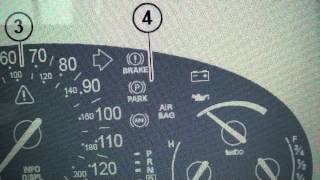
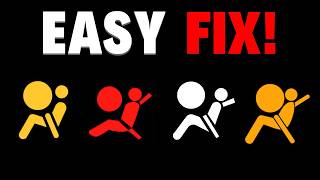
The most common and immediate sign of an issue with any part of the airbag system is the illumination of the SRS warning light on your dashboard. This light may look like the letters 'SRS' or an icon of a seated passenger with a circle in front of them.
SRS Warning Light On
When you start your Saab, the SRS light should come on for a few seconds as part of a system self-check and then turn off. If the light stays on, or if it comes on while you are driving, it means the SRS computer has detected a fault in the system. When this light is on, the entire airbag system is disabled and will not deploy in a crash. Common causes for the light include:
- A faulty airbag module (the part being replaced).
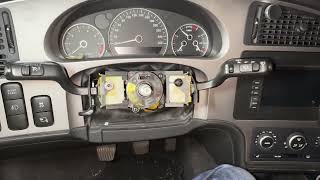
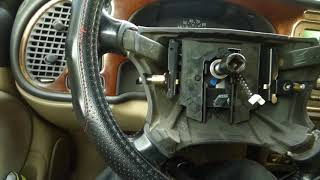
- A defective clock spring (an electrical connector in the steering column that allows the steering wheel to turn while maintaining an electrical connection for the airbag). 🎬 See this step-by-step Saab clock spring replacement guide
- Malfunctioning crash sensors or seat occupancy sensors.
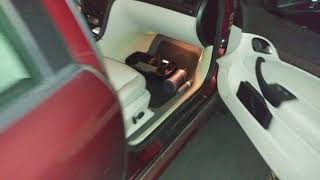
- Loose or corroded wiring, often under the front seats.
- A problem with the seatbelt buckle switch.
- A fault in the central Airbag Control Module.
Warning: Do not ignore the SRS warning light. An illuminated light means your airbags will not deploy in an accident, significantly increasing the risk of serious injury or death for you and your passengers.
Known Issues, Recalls, and TSBs

CRITICAL RECALL: Takata Driver's Side Airbag Inflator
The most significant issue affecting these vehicles is a massive safety recall for defective Takata driver's side airbag inflators. This recall applies to all 2006-2011 Saab 9-3 and 2006-2009 Saab 9-5 models. The issue stems from the chemical propellant in the inflator, which can degrade over time, especially with exposure to heat and humidity.
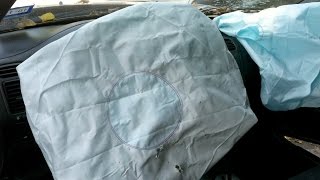
In the event of a crash that triggers the airbag, the degraded propellant can cause the metal inflator housing to rupture, sending sharp metal fragments through the airbag and into the cabin. This can cause serious injury or death to vehicle occupants. General Motors has facilitated the recall repair, which involves replacing the driver's airbag inflator or the entire module, free of charge at GM dealerships or Saab Official Service Centers. It is crucial to verify if this recall has been performed on any vehicle before purchasing or installing a used airbag.
🎬 Watch: What you need to know about the Takata recallPro Tip: You can check if a specific vehicle is affected by this recall by entering its Vehicle Identification Number (VIN) into the NHTSA recall database or GM's recall portal.
Vehicle-Specific Compatibility Notes
For the 2010-2011 Saab 9-5, it is important to note that these model years represent the second generation of the vehicle. Compatibility for parts can be very specific. The provided information indicates that for the 2010 model year, this airbag fits the new generation 9-5, which can be identified by the 4th digit of the VIN being 'G'. It will not fit 2010 models with the 4th VIN digit 'E'. Always double-check part numbers and VIN details when sourcing a replacement for these specific years.
Buying a Used Air Bag: What to Look For

Professional Installation is Required: Airbags are explosive devices and part of a complex safety system. Improper handling or installation can lead to accidental deployment, causing serious injury, or system failure in a crash. Federal and state laws may also regulate the installation of SRS components. For safety and legal reasons, this part must be installed by a qualified professional with the proper tools to reset the SRS system.
While buying a used, non-deployed OEM airbag can be a cost-effective option, extreme caution is necessary. There are no legitimate aftermarket airbags; the only safe alternatives to a new OEM unit are certified, non-deployed OEM units from a reputable automotive recycler.
- Verify No Recall Status: Due to the critical Takata recall, it is illegal and extremely dangerous to install a used airbag that is subject to the recall. Reputable sellers should be able to verify that the part is not from a recalled vehicle.
- Inspect for Damage: Carefully inspect the airbag module for any signs of physical damage, such as cracks, dents, or stress marks on the housing. Ensure all electrical connectors are intact and not corroded.
- Check the Source Vehicle: Ask the supplier for information about the vehicle the airbag came from. Avoid airbags from vehicles that have experienced water or flood damage, as moisture can compromise the internal components.
- Match Part Numbers: Ensure the OEM part number on the used airbag exactly matches one of the compatible numbers for your vehicle.
Cost Comparison
Replacing an airbag can be expensive, as it often involves more than just the airbag module itself. The control module may need to be reset or replaced, and other sensors or the clock spring could also be faulty.
| Part or Service | Estimated Cost |
|---|---|
| New OEM Driver Airbag | $750 - $1,500+ (part only) |
| New Aftermarket | Not Available (no legitimate aftermarket airbags exist) |
| Used OEM Driver Airbag | $125 - $250 |
| Shop Labor (Installation & System Reset) | $200 - $400 |
| Related Parts (Clock Spring, Sensors, etc.) | $200 - $800+ |
Frequently Asked Questions (FAQ)
Can I install a used airbag myself?
No. This is not a DIY job. Airbags are hazardous materials that can cause severe injury if handled improperly. Installation requires disconnecting the vehicle's battery, careful handling of the explosive charge, and specialized tools like a Saab Tech 2 scanner to reset the SRS control module and clear fault codes. Professional installation is mandatory for safety and proper system function.
My SRS light is on, but I haven't been in an accident. What's wrong?
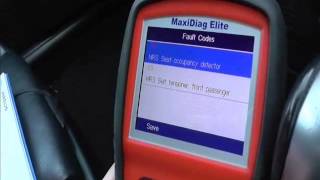
The SRS light indicates a fault anywhere in the system. Besides the airbag itself, common culprits include a failed clock spring in the steering column, faulty seat belt sensors, or loose wiring under the seats. A professional diagnosis is needed to read the specific trouble codes from the SRS module to pinpoint the exact problem.
Is it legal to install a used airbag?
It is generally legal to install a used, non-deployed OEM airbag, provided it is not subject to a safety recall. However, many repair shops may refuse to install customer-supplied used airbags due to liability concerns. It is illegal for a repair business to knowingly render an SRS system inoperative.
Does the SRS system need to be reset after replacing an airbag?
Yes. After the new airbag is installed, the SRS control module must be reset using a diagnostic scan tool. This process clears the stored crash data and any fault codes, ensuring the system is armed and ready to function correctly. Simply replacing the part will not turn off the SRS warning light.
Helpful Videos
Technical Specifications
OEM Part Numbers: 12757622 12824428 12848560 13223168 13284115 39095647
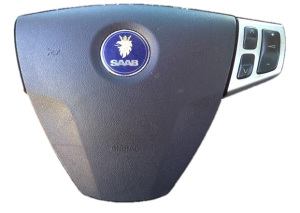
Driver's side steering wheel airbag module.
We Have This Part in Stock




The information in this article is provided for general reference and educational purposes only. Vehicle specifications, procedures, and part compatibility can vary by production date, trim level, and region. Always consult your vehicle's factory service manual and verify part numbers before purchasing or performing repairs. Safety-critical components such as airbags, seat belts, and braking systems should be installed by a qualified professional.
- Saab 9-5:
- Saab 9-3:
- 🎬 Helpful Videos
- 🛍️ Shop This Part
- Symptoms of a Bad Air Bag
- SRS Warning Light On
- Known Issues, Recalls, and TSBs
- CRITICAL RECALL: Takata Driver's Side Airbag Inflator
- Vehicle-Specific Compatibility Notes
- Buying a Used Air Bag: What to Look For
- Cost Comparison
- Frequently Asked Questions (FAQ)
- 🎟️ Get 5% Off