

2014-2023 Jeep Cherokee Airbag System: SRS Light, Recalls, and Replacement Guide
A detailed look at the common causes of the airbag warning light, major safety recalls, and the critical procedures for safely addressing SRS issues in your Jeep Cherokee.
- Professional installation is mandatory for any airbag component. DIY replacement is extremely dangerous and carries serious legal and safety risks.
- An illuminated SRS/airbag warning light means the entire system is disabled and will not deploy in a crash. This requires immediate professional diagnosis.
- 2014-2015 models were recalled for unintended airbag deployment; the fix is a software update to the control module. Check your VIN on the NHTSA website for this and other recalls.
- A faulty clock spring is a common failure, often causing the airbag light to appear along with a non-functional horn and steering wheel buttons.
Understanding the SRS Airbag Warning Light

The most common sign of a problem with your airbag system is an illuminated SRS or airbag warning light on your dashboard. This light indicates that the Supplemental Restraint System has detected a fault. When this light is on, it is not just a simple warning; it means the entire airbag system is disabled and will not deploy in the event of an accident. Ignoring this light puts you and your passengers at significant risk.
Common causes for the light include faulty sensors, issues with the clock spring, or loose wiring connectors, particularly under the front seats. These under-seat connectors can be disturbed by items stored under the seat or by rear passengers' feet.
Known Issues, Recalls, and Technical Service Bulletins

Owners of 2014-2023 Jeep Cherokees should be aware of several important safety notices. You can check if your specific vehicle is affected by any recall by entering your Vehicle Identification Number (VIN) on the NHTSA website.
- Recall for Unintended Airbag Deployment: A major recall was issued for 2014-2015 Jeep Cherokee models due to an issue where the side curtain and seat airbags could deploy unexpectedly during normal driving. This was caused by overly sensitive software calibration in the Occupant Restraint Control (ORC) module. The official remedy was for dealers to re-flash the ORC module with updated software, free of charge.
- General Takata Airbag Recalls: While not specific to just the Cherokee, one of the largest recalls in automotive history involved defective Takata airbag inflators that could explode and send shrapnel into the cabin. It is crucial to verify if your vehicle was part of this expansive recall.
- Wiring and Connector Issues: Many owner complaints and forum discussions point to recurring airbag lights caused by faulty wiring or loose connectors under the seats. In many cases, simply securing a loose connector can resolve the issue, though diagnosis is required to pinpoint the exact location.
Warning: An illuminated airbag light means the system is inactive. Do not delay in getting the system professionally diagnosed and repaired.
Buying a Used 2014-2023 Jeep Cherokee Airbag

For many repairs, a used OEM airbag is a cost-effective and safe alternative to a new part, provided you follow strict guidelines. Never consider a cheap, new aftermarket airbag, as their quality and performance are not guaranteed.
What to Inspect Before You Buy
- Verify No Deployment: This is obvious but critical. The part should be in its original, undeployed condition.
- Check for Physical Damage: Inspect the airbag module housing for any cracks, signs of heat, or water damage. Do not purchase a part that has been in a flood-damaged vehicle.
- Examine Connectors and Wiring: The electrical connectors must be intact, with no cut wires, corrosion, or bent pins. A damaged connector is a major red flag.
- Match Part Numbers Exactly: The part number on the used airbag MUST match the one you are replacing. Different years and trim levels use different airbags (e.g., single-stage vs. dual-stage), and they are not interchangeable. Using the wrong part can lead to system failure.
The Critical Importance of Professional Installation

Warning: Airbag system repair is not a DIY job. Attempting to replace an airbag yourself is extremely dangerous and carries significant legal and financial liability. Professional installation is mandatory.
Dangers of DIY Installation
Airbags are explosive devices. Mishandling can cause accidental deployment, leading to serious injury or death. Furthermore, incorrect installation can cause the airbag to fail to deploy in a future crash. Technicians are trained in safe handling procedures, including disconnecting the vehicle's battery for at least 10-15 minutes before starting work to allow system capacitors to discharge.
System Reset and Calibration
After a new or used airbag is installed, the work is not finished. The SRS control module must be scanned with a professional-grade tool that can read SRS-specific codes. Any stored fault codes must be cleared, and the system must be tested to ensure it recognizes the new component and is fully operational. A standard consumer OBD-II scanner cannot perform these functions.
Related SRS Components to Inspect
Sometimes the airbag itself isn't the problem. If you have an SRS light, a technician should also inspect these related parts:
- Clock Spring: This component is located behind the steering wheel and maintains an electrical connection for the driver's airbag while the wheel turns. A common failure point, a bad clock spring can cause the airbag light to come on and may also cause the horn and steering wheel-mounted controls (like cruise control or radio buttons) to stop working.
- Occupant Restraint Controller (ORC): This is the main computer for the airbag system. It can fail on its own or may need to be replaced after a collision if it has stored crash data that cannot be cleared.
- Wiring Harnesses: As mentioned, the wiring under the seats is a frequent culprit. A technician will check for continuity and any signs of damage to these harnesses.
- Impact Sensors: Located at various points on the vehicle's frame, these sensors tell the ORC when a crash is occurring. While durable, they can be damaged in a collision.
Cost of Replacing a Jeep Cherokee Airbag (2014-2023)
Costs can vary significantly based on which airbag is being replaced (driver, passenger, side curtain, seat) and local labor rates.
| Part/Service | Estimated Cost |
|---|---|
| New OEM Airbag (Single) | $220 - $950 |
| New Aftermarket Airbag | Not Recommended |
| Used OEM Airbag (Single) | $100 - $350 |
| Airbag Control Module (Part Only) | ~$458 |
| Shop Labor (Per Airbag) | $200 - $600 |
| Total Professional Replacement (Single Airbag) | $1,000 - $2,000+ |
Frequently Asked Questions (FAQ)
What does the 'Service Airbag System' light mean on my Jeep Cherokee?
It means the onboard computer has detected a fault in the Supplemental Restraint System (SRS). When this light is on, the entire airbag system is disabled and will not deploy in an accident. The cause could be a bad sensor, a wiring issue, or a faulty component like the clock spring. Professional diagnosis is required immediately.
Can I install a used airbag myself to save money?
No. You should never attempt to install an airbag yourself. Airbags are pyrotechnic devices that can cause severe injury if mishandled. Installation requires special training, safety procedures, and diagnostic tools to reset the system afterward. The legal and insurance liability of a failed DIY installation is enormous.
Will a used airbag work in my Cherokee?
Yes, a used OEM airbag can be a safe and effective replacement, but only if it is an undamaged, undeployed part with the exact same part number as the original. It must be installed and the system reset by a qualified professional technician.
My horn and steering wheel buttons stopped working when the airbag light came on. What's the problem?
This combination of symptoms strongly points to a failed clock spring. The clock spring is a coiled conductor behind the steering wheel that provides the electrical connection for the driver's airbag, horn, and steering wheel controls. When it breaks, all of these functions can be lost simultaneously.
Technical Specifications
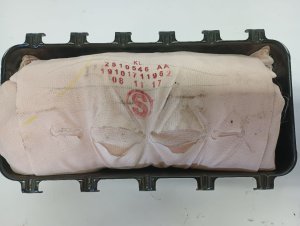
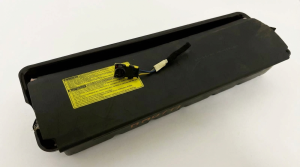
OEM Part Numbers: 68100766AD 68100764AB 68100764AC 68100767AA 68100767AB 68100767AC 68100767AD 68102342AB 68102342AC 68102342AD 68102342AE 68102342AF 68102343AB 68102343AC 68102343AD
Airbag type (driver, passenger, seat, curtain), single or dual-stage deployment, connector type. Must be matched exactly to the vehicle's original equipment.
We Have This Part in Stock





The information in this article is provided for general reference and educational purposes only. Vehicle specifications, procedures, and part compatibility can vary by production date, trim level, and region. Always consult your vehicle's factory service manual and verify part numbers before purchasing or performing repairs. Safety-critical components such as airbags, seat belts, and braking systems should be installed by a qualified professional.
- Jeep Cherokee:
- 🛍️ Shop This Part
- Understanding the SRS Airbag Warning Light
- Known Issues, Recalls, and Technical Service Bulletins
- Buying a Used 2014-2023 Jeep Cherokee Airbag
- What to Inspect Before You Buy
- The Critical Importance of Professional Installation
- Dangers of DIY Installation
- System Reset and Calibration
- Related SRS Components to Inspect
- Cost of Replacing a Jeep Cherokee Airbag (2014-2023)
- Frequently Asked Questions (FAQ)
- 🎟️ Get 5% Off