

2019-2024 Subaru Ascent Air Bag Sensor Faults and SRS Light Fixes
Learn to diagnose the airbag warning light, find the right sensor, and understand the critical steps for safely replacing a front or rear impact sensor on your Ascent.
- The primary symptom of a bad sensor is an illuminated SRS/airbag light, which means the entire airbag system is disabled and will not deploy in a crash.
- NEVER use a sensor from a vehicle where airbags have deployed. Only use used sensors from non-deployed vehicles after careful physical inspection.
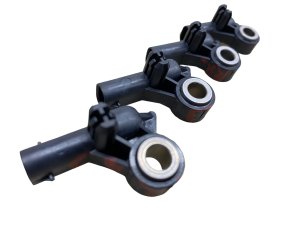
- The Ascent uses two different sensors: part 98231XC00A for the front and 98237XC00A for the rear sides. They are not interchangeable.
- After replacing a sensor, the fault codes MUST be cleared from the airbag control module with a compatible scan tool to turn off the warning light.
Symptoms of a Failing Air Bag Impact Sensor
The signs of a faulty air bag impact sensor are usually very clear, but they don't affect how the vehicle drives. This can give a false sense of security, but the underlying issue is critical.
- Airbag/SRS Warning Light: The most common and immediate symptom is a solid or flashing airbag warning light on your instrument cluster. This light, often showing an icon of a person with an airbag or the letters "SRS" (Supplemental Restraint System), indicates a fault has been detected.
- Disabled Airbag System: When the SRS warning light is on, the entire airbag system is deactivated as a safety precaution. This means that in the event of a crash, none of the airbags will deploy, and the seat belt pretensioners will not activate.
- Diagnostic Trouble Codes (DTCs): A proper OBD scanner that can read SRS modules will show specific fault codes. For a 2019 Ascent, Subaru issued a bulletin referencing sensor-related codes like B1610 and B1615. Other codes, such as B1801 or B1811, might point to open circuits in the system.
Known Issues, Recalls, and Technical Service Bulletins (TSBs)
While the 2019-2024 Ascent has not been subject to specific recalls for its impact sensors, there is important service information technicians and DIYers should be aware of.
Technical Service Bulletin 12-262-19: Clearing System Memory
Subaru released a TSB reminding technicians that after replacing any airbag system sensor, the system's memory must be cleared. This isn't as simple as disconnecting the battery; it requires a diagnostic tool like the Subaru Select Monitor 4 (or a compatible high-end scanner) to perform the "Clear Memory" function. If this step is skipped, the airbag warning light will remain on even with the new sensor installed.
Recalls
Searches for recalls on this model primarily show the widespread Takata airbag inflator recall, which affects older Subaru models and is not related to the impact sensors on the 2019-2024 Ascent. No active recalls for faulty impact sensors on the Ascent were found.
Warning: An illuminated SRS light is an automatic failure for safety inspections in most states. The vehicle is not considered roadworthy with a disabled airbag system.
Buying a Used Air Bag Impact Sensor for Your Ascent
Purchasing a used OEM impact sensor can be a cost-effective and reliable repair, provided you follow strict guidelines. For a critical safety component like this, a recycled OEM part is often superior to a cheap, unproven aftermarket alternative.
- CRITICAL: Verify the Donor Vehicle's History: Never, under any circumstances, purchase or install an impact sensor from a vehicle that was in an accident where the airbags deployed. Manufacturer repair procedures mandate that all impact sensors in the deployment zone be replaced with new parts, even if they show no visible damage. Assume any sensor from a deployed vehicle is compromised.
- Physical Inspection: Before buying, carefully inspect the used sensor. Look for any cracks in the plastic housing, signs of heavy corrosion on the body or electrical pins, and damage to the connector. Water damage is a known cause of failure, so any signs of moisture or rust are a major red flag.
- Match the Part Number Exactly: The Ascent uses different sensors for the front and rear. Using the wrong one will not work. Verify the OEM part number on the sensor you are replacing matches the used part you intend to buy.
- Mileage is Not a Primary Concern: Unlike mechanical parts, impact sensors do not wear out with mileage. Age and exposure to the elements (especially moisture and road salt) are bigger factors. A clean, low-mileage sensor from a dry climate is ideal, but condition is more important than the odometer reading.
Cost Comparison: New vs. Used Ascent Air Bag Sensors
The cost varies significantly based on the sensor's location. The front sensors are more complex and expensive than the rear side sensors.
| Part/Service | Estimated Cost | Notes |
|---|---|---|
| New OEM Front Sensor (98231XC00A) | $120 - $165 | Price from Subaru dealerships or online OEM parts retailers. |
| New OEM Rear/Side Sensor (98237XC00A) | $30 - $45 | Significantly less expensive than the front sensor. |
| Used OEM (Front or Rear) | $25 - $85 | Varies by salvage yard and condition. Ensure a return policy is available. |
| New Aftermarket | Not Widely Available | Aftermarket options for these specific SRS sensors are not common as of mid-2024. |
| Shop Labor for Replacement | $100 - $200 | Typically 1-1.5 hours of labor. Diagnosis with a scan tool may be extra. |
Part Numbers and Locations
The Subaru Ascent uses two different impact sensors depending on the location. It is essential to order the correct part for the fault location identified by the diagnostic scan.
| Location | Part Number | Common Names | General Location on Vehicle |
|---|---|---|---|
| Front (Left & Right) | 98231XC00A | Front Sensor, Sensor Assembly F | Mounted to the radiator core support, behind the front bumper cover. |
| Rear (Left & Right Side) | 98237XC00A | Side Impact Sensor, Rear Sensor | Mounted inside the vehicle on the B-pillar (center pillar) or C-pillar (quarter panel area). |
Installation Overview & Difficulty
Replacing an airbag sensor is feasible for a careful DIY mechanic, but it requires attention to safety procedures. The difficulty is primarily in accessing the sensor's location.
- Installation Difficulty: 3 out of 5
- Estimated Time: 1-2 hours
Safety First: Before beginning any work on the SRS system, you MUST disconnect the negative terminal of the car battery and wait at least 10-15 minutes for the system's backup power to fully discharge. Subaru's official procedure specifies waiting at least 60 seconds. Never work on yellow-harnessed wiring with the battery connected.
General Steps:
- Disconnect Battery: Disconnect the negative battery terminal and wait.
- Access the Sensor:
- For front sensors, this involves removing the front bumper cover to access the radiator support.
- For rear/side sensors, you will need to remove interior plastic trim panels along the B-pillar or C-pillar.
- Replace the Sensor: Unplug the electrical connector and unbolt the old sensor. Bolt the new sensor in place and securely connect the wiring harness.
- Reassemble: Reinstall the interior trim or bumper cover.
- Reconnect Battery: Reconnect the negative battery terminal.
- Clear Codes: Use an SRS-capable scan tool to perform the "Clear Memory" function to erase the fault codes and turn off the warning light.
Frequently Asked Questions (FAQ)
Can I drive my Ascent with the airbag light on?
No. While the vehicle will drive normally, the illuminated SRS light means the entire airbag system is disabled. In an accident, the airbags will not deploy, putting you and your passengers at serious risk of injury or death. The vehicle should be repaired as soon as possible.
Do I need to program a new or used airbag sensor?
The individual impact sensors themselves are not VIN-programmed, but the Airbag Control Module is. After installing a new or used sensor, you must clear the stored fault codes from the module using a compatible diagnostic scanner. Without this step, the airbag light will not turn off.
Why did my airbag sensor fail?
The most common causes of failure are moisture and corrosion, especially for front sensors exposed to road salt and water. Other causes include damage from a minor fender-bender (even if airbags didn't deploy) or internal electronic failure.
Can I use a sensor from a different Subaru model, like a Forester or Outback?
No. You must use a sensor with the exact OEM part number specified for the 2019-2024 Ascent and for the correct location (front vs. side). While sensors may look similar, their internal calibration is specific to the vehicle's design and crash characteristics.
Technical Specifications
OEM Part Numbers: 98231XC00A 98237XC00A
Front Sensor (98231XC00A) is for front impact detection. Rear/Side Sensor (98237XC00A) is for side impact detection.
We Have This Part in Stock

The information in this article is provided for general reference and educational purposes only. Vehicle specifications, procedures, and part compatibility can vary by production date, trim level, and region. Always consult your vehicle's factory service manual and verify part numbers before purchasing or performing repairs. Safety-critical components such as airbags, seat belts, and braking systems should be installed by a qualified professional.
- Subaru Ascent:
- 🛍️ Shop This Part
- Symptoms of a Failing Air Bag Impact Sensor
- Known Issues, Recalls, and Technical Service Bulletins (TSBs)
- Technical Service Bulletin 12-262-19: Clearing System Memory
- Recalls
- Buying a Used Air Bag Impact Sensor for Your Ascent
- Cost Comparison: New vs. Used Ascent Air Bag Sensors
- Part Numbers and Locations
- Installation Overview & Difficulty
- General Steps:
- Frequently Asked Questions (FAQ)
- 🎟️ Get 5% Off