

2022-2025 Mitsubishi Eclipse Cross Air Bag Impact Sensor: Failures and Replacement
This guide covers the common failure symptoms, replacement costs, and what to look for when buying a used side impact sensor for your 2022-2025 Mitsubishi Eclipse Cross.
- If the airbag warning light is on, the entire SRS system is disabled and will not function in a crash.
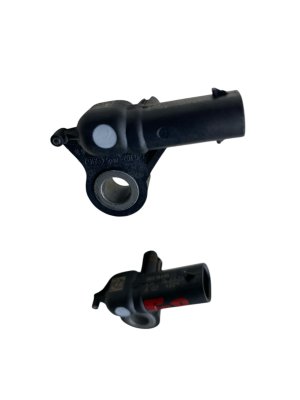
- The OEM part number 8651A495 is the correct side impact sensor for all 2022-2025 Eclipse Cross models and fits both left and right B-pillar and C-pillar locations.
- A used sensor is a viable option if it is physically inspected for damage and corrosion and comes from a vehicle that was not flooded or in a major accident.
- After replacing the sensor, stored fault codes must be cleared with a professional-grade scan tool; a basic engine code reader will not work.
Symptoms of a Failing Air Bag Impact Sensor
A problem with an air bag impact sensor will almost always trigger a warning on your dashboard. Because the airbag system is a critical safety feature, the vehicle's computer continuously monitors it. Any fault will immediately alert the driver.
- Airbag Warning Light: The most common and obvious symptom is the illumination of the airbag or SRS warning light on the instrument cluster. This light will typically stay on continuously and will not go away until the fault is repaired and the system is reset.
- "Airbag System Service Required" Message: Many modern vehicles, including the Eclipse Cross, will display a specific text message on the information screen, alerting you to a problem with the SRS system.
- Stored Fault Codes: A diagnostic scan tool will reveal specific trouble codes stored in the airbag control module. Codes may point to a specific sensor, such as "side airbag crash sensor driver side faulty," or indicate a communication error.
Warning: If the airbag warning light is on, the entire airbag system is deactivated for safety. This means that in the event of a crash, none of the airbags, including the frontal and side airbags, will deploy, and the seatbelt pretensioners will not function.
Known Issues, TSBs, and Recalls for 2022-2025 Mitsubishi Eclipse Cross
As of mid-2024, there are no specific recalls or widespread Technical Service Bulletins (TSBs) issued by Mitsubishi or the National Highway Traffic Safety Administration (NHTSA) for failing side impact sensors on the 2022-2025 Eclipse Cross. The vehicle generation is still relatively new, so long-term issues have not yet widely surfaced. Some earlier model year Eclipse Cross vehicles (e.g., 2019) had owner complaints about overly sensitive passenger seat sensors, but this is a different component and issue. The most relevant recalls for this vehicle generation concern software for the infotainment and rearview camera systems, not the SRS airbag sensors.
Buying a Used Air Bag Impact Sensor
Purchasing a used OEM air bag impact sensor can be a cost-effective option, but it requires careful inspection. Since this is a critical safety component, extra diligence is necessary.
Physical Inspection Checklist:
- Check for Physical Damage: Never buy a sensor that shows any signs of cracks, corrosion, or physical damage. The sensor's housing should be intact, and the electrical connector pins should be straight and clean.
- Verify the Part Number: Ensure the part number on the sensor matches exactly. For this application, you are looking for OEM part number 8651A495. This specific part is used for both left and right side B-pillar and C-pillar locations.
- Inspect the Donor Vehicle: If possible, know the history of the vehicle the part came from. It is crucial that the donor vehicle was not in a flood or a major collision that could have stressed the sensor, even if it wasn't physically damaged. Most reputable recyclers will not sell sensors from a vehicle where airbags have deployed.
- Look for Clean Connectors: The primary cause of sensor failure, aside from impact, is moisture and corrosion at the electrical connector. A clean, corrosion-free connector is a good sign.
Pro Tip: Unlike some airbag system components, impact sensors are generally not single-use items and can often be reused if they are from a non-crashed vehicle and show no signs of damage. The SRS control module will recognize a good, used sensor just as it would a new one. If the used sensor is faulty, the airbag light will simply remain on after installation.
Cost Comparison
Prices for the Mitsubishi Eclipse Cross side impact sensor can vary significantly. Here is a general breakdown of what to expect:
| Part Type | Estimated Cost |
|---|---|
| New OEM (Dealer) | $160 - $225 |
| Used OEM (Recycled) | $40 - $85 |
| New Aftermarket | Not commonly available for SRS components |
| Shop Labor for Replacement | $100 - $200 |
Replacement and Diagnosis
Replacing a side impact sensor is a job that can be done by a DIY mechanic with the right precautions, but it requires careful work inside the vehicle's interior trim.
Difficulty: 3 out of 5
Procedure Overview:
- Disconnect the Battery: This is the most important step. Disconnect the negative battery terminal and wait at least 10-15 minutes before working on any part of the airbag system. This allows the system's backup power to discharge, preventing accidental deployment.
- Access the Sensor: The sensors are located behind the interior trim panels of the B-pillar or C-pillar. This will involve carefully removing plastic trim pieces, which are often held by clips that can break if forced.
- Unbolt and Replace: The sensor is typically held in place by one or two small bolts. Unplug the electrical connector, unbolt the old sensor, and install the new one.
- Reassemble and Reconnect: Reinstall the trim panels, then reconnect the battery.
- Clear Codes: After replacement, the fault codes stored in the SRS module must be cleared using a diagnostic scan tool that can access the airbag system. A basic OBD-II code reader for engine lights will not work. If the new sensor is good, the airbag light will turn off and stay off after the codes are cleared.
Frequently Asked Questions (FAQ)
Can I drive with the airbag light on?
No. While the vehicle will drive normally, the airbag system is completely disabled if the warning light is on. In an accident, no airbags will deploy, and seatbelt pretensioners will not activate, significantly increasing the risk of serious injury. The issue should be addressed immediately.
Is the left side sensor different from the right side?
No. For the 2022-2025 Mitsubishi Eclipse Cross, the OEM part number 8651A495 is used for both the left and right side impact sensor locations in the B and C pillars.
Will I need to have the new sensor programmed?
No, individual impact sensors do not typically require programming to the vehicle's VIN. The central SRS control module is VIN-specific, but the sensors are interchangeable as long as they are the correct part number and are functioning correctly. You will, however, need to clear the stored fault codes from the module after installation.
My airbag light is on, but the code isn't for a sensor. What else could it be?
An airbag light can be triggered by many faults in the SRS system. Common causes other than a bad sensor include a faulty airbag clockspring (in the steering column), a bad seat belt pretensioner, a faulty passenger seat occupancy sensor, or a problem with the wiring. A proper diagnosis with a capable scan tool is necessary to identify the exact cause.
🎬 Watch: How to diagnose and fix a Mitsubishi airbag lightHelpful Videos

Technical Specifications
OEM Part Numbers: 8651A495
Side Impact Sensor for B-pillar and C-pillar locations. Fits both left and right sides.
We Have This Part in Stock

The information in this article is provided for general reference and educational purposes only. Vehicle specifications, procedures, and part compatibility can vary by production date, trim level, and region. Always consult your vehicle's factory service manual and verify part numbers before purchasing or performing repairs. Safety-critical components such as airbags, seat belts, and braking systems should be installed by a qualified professional.
- Mitsubishi Eclipse Cross:
- 🎬 Helpful Videos
- 🛍️ Shop This Part
- Symptoms of a Failing Air Bag Impact Sensor
- Known Issues, TSBs, and Recalls for 2022-2025 Mitsubishi Eclipse Cross
- Buying a Used Air Bag Impact Sensor
- Physical Inspection Checklist:
- Cost Comparison
- Replacement and Diagnosis
- Frequently Asked Questions (FAQ)
- 🎟️ Get 5% Off