

2016-2020 Toyota Mirai Air Bag Module: Crash Data, Resetting, and Replacement
This guide covers the critical difference between replacing and resetting your Mirai's air bag module and why the SRS warning light is a serious issue.
- If the airbag light is on, the safety system is OFF and will not deploy in a crash.
- After any accident, the module stores 'crash data' and must be professionally reset or replaced; a standard scanner cannot clear it.
- Resetting your original module is often the best option, as it avoids the need for costly VIN programming at a dealership.
- When buying a used module, you must confirm it has been reset and is free of crash data, or factor in the cost of a reset service.
Symptoms of a Failing Air Bag Control Module
The signs of a faulty air bag control module are usually very clear, as the vehicle's self-diagnostic system will alert the driver to any problems. Ignoring these warnings is extremely dangerous, as it means the airbags and seatbelt pretensioners will not activate in a crash.
- Air Bag / SRS Warning Light: The most common and direct symptom is a continuously lit airbag warning light on your instrument cluster. This light indicates that the SRS has detected a fault and has disabled the system.
- No Communication with Scan Tool: In some cases of complete module failure, a diagnostic scan tool may be unable to communicate with the SRS module at all.
- Associated Fault Codes: A professional scan tool can read specific Diagnostic Trouble Codes (DTCs) from the module. Codes starting with 'B' are common for the SRS system. A code like B1000/31 can indicate a direct module malfunction, while others may point to stored crash data.
Warning: If the airbag warning light is on, you must assume the entire airbag system is inactive. The vehicle is not safe to drive from a passive safety standpoint, as no airbags will deploy in an accident.
Known Issues, TSBs, and Recalls
As of this writing, there are no specific recalls or Technical Service Bulletins (TSBs) from Toyota or the NHTSA that directly concern the air bag control module (part number 89170-62020) for the 2016-2020 Toyota Mirai. While Toyota has issued widespread recalls for Takata airbag *inflators* across many models, these do not pertain to the control module itself.
The Critical Detail: Crash Data and Programming
Understanding how crash data affects this module is the most important part of replacing or repairing it. Unlike many other electronic modules, the air bag control module has a one-time-use design from the factory.
Crash Data Lock
After a vehicle is in an accident, the air bag control module permanently stores "crash data." This happens even in minor incidents where the airbags do not deploy but the seatbelt pretensioners activate. Once this data is written, the module locks itself, the airbag light comes on, and the entire SRS system is disabled as a safety precaution. This crash data cannot be cleared with a standard OBD-II scanner or by disconnecting the battery; it requires specialized tools to access the module's internal memory.
Reset vs. Replace
You have three main options when dealing with a module that has crash data:
- Replace with a New OEM Module: This is the most expensive option. A new module from Toyota is guaranteed to be clear of data but will require programming by a dealer or a qualified shop with Toyota Techstream software to match it to your vehicle's VIN and specific options.
- Replace with a Used OEM Module: A used module is a less expensive hardware option. However, it likely contains crash data from its donor vehicle. It must be sent to a reset service *before* installation. It will also require VIN programming after being installed.
- Reset Your Original Module: This is often the most cost-effective and simplest solution. You can remove your vehicle's original module and send it to a professional reset service. They will erase the crash data, restoring it to factory condition. The major benefit is that since it is the original module, it does not need to be reprogrammed to your vehicle's VIN upon reinstallation—it is plug-and-play.
Pro Tip: If you are buying a used module, always assume it contains crash data unless the seller explicitly guarantees it has been professionally reset and offers a warranty. Ask the seller directly: "Has the crash data been cleared from this module?"
Buying a Used Air Bag Control Module
A used OEM module can be a great value, provided you take the right precautions. Here’s what to look for:
- Match the Part Number Exactly: Ensure the part number on the used module is an exact match for your original one: 89170-62020. Airbag systems are highly specific, and a mismatched part will not work.
- Verify It Has Been Reset: As mentioned, this is crucial. Only buy from reputable sellers who can confirm the module is free of crash data. If not, factor in the cost of sending it to a reset service (typically $50-$100).
- Inspect for Physical Damage: Check the housing and connectors for any signs of corrosion, water damage, or physical impact. The module is located under the center console, making it susceptible to damage from liquid spills.
- Why OEM is Better: For a safety-critical part like this, a reset OEM module is superior to a new aftermarket one. The OEM unit was designed and tested by Toyota specifically for your Mirai's systems, ensuring perfect communication with all sensors and avoiding the compatibility issues that can plague aftermarket electronics.
Cost Breakdown for Replacement
The cost to resolve an airbag module issue can vary significantly based on your chosen solution. Programming and labor costs are additional.
| Part or Service | Estimated Cost |
|---|---|
| New OEM Module | $470 - $510 |
| Used OEM Module (Assumed not reset) | $75 - $150 |
| Module Reset Service (Mail-in) | $50 - $100 |
| Shop Labor (Removal & Installation) | $110 - $185 (1-1.5 hours) |
| Shop Labor (Programming a new/used module) | $100 - $200 |
Frequently Asked Questions (FAQ)
Do I have to replace the module after an accident?
Not necessarily. If the module is not physically damaged, you can have your original module's crash data reset by a professional service. This is often cheaper and easier, as it won't require reprogramming to your car's VIN.
Can I reset the airbag light myself with a scanner?
If the light is on due to stored crash data, you cannot reset it with a standard OBD-II scanner. The hard codes from an accident must be professionally cleared from the module's internal memory. If the light is on due to a simple sensor fault that has been fixed, a professional-grade scanner may be able to clear the code.
Where is the air bag control module located on a 2016-2020 Mirai?
The air bag control module is located under the center console, between the front seats. Accessing it requires removing the surrounding console trim panels.
Can an independent mechanic replace and program this module?
Yes, a qualified independent shop that has Toyota's Techstream software or a compatible high-end diagnostic tool can program a new or used module to your vehicle. However, a dealer is always equipped to do this. Resetting the original module avoids this programming step entirely.
Technical Specifications
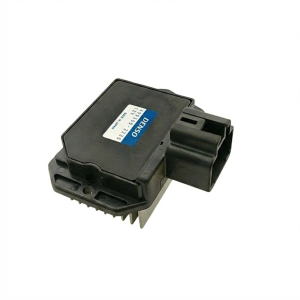
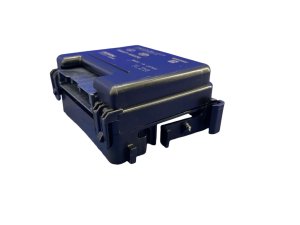
OEM Part Numbers: 89170-62020 8917062020
Location: Under center console. Connectors: Typically yellow to signify a safety system component.
We Have This Part in Stock




The information in this article is provided for general reference and educational purposes only. Vehicle specifications, procedures, and part compatibility can vary by production date, trim level, and region. Always consult your vehicle's factory service manual and verify part numbers before purchasing or performing repairs. Safety-critical components such as airbags, seat belts, and braking systems should be installed by a qualified professional.
- Toyota Mirai: