

2009-2013 Suzuki Equator Air Bag Control Module: Programming, Issues, and Replacement
Your definitive guide to diagnosing, replacing, and programming the SRS module in your Suzuki Equator, including crucial information from its Nissan Frontier twin.
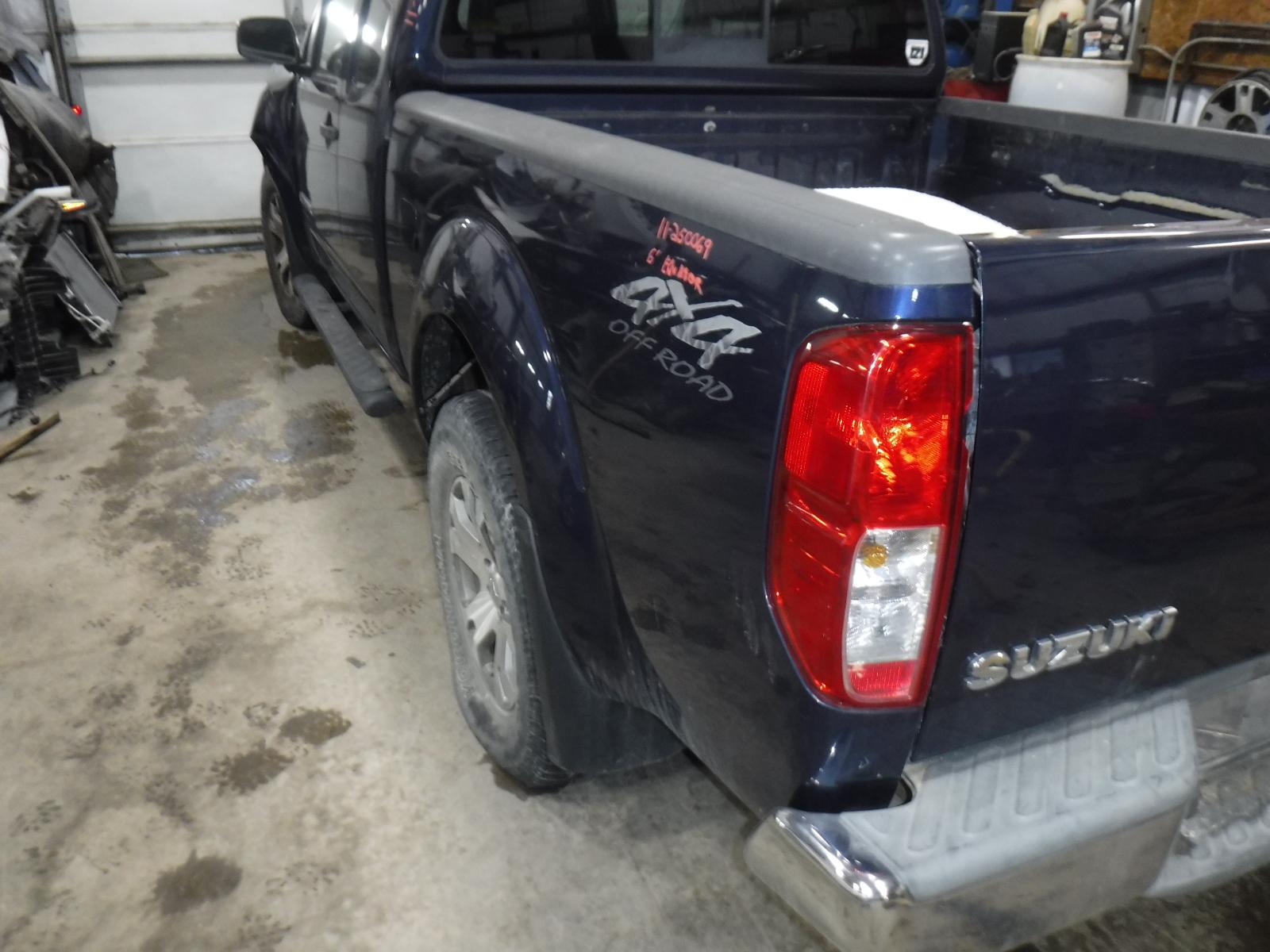
- The 2009-2013 Suzuki Equator is a rebadged Nissan Frontier; parts and repair information are interchangeable.
- This module MUST be programmed to the vehicle's VIN and options. A simple swap will not work and will leave the airbag system disabled.
- Before buying, you must verify if your truck has side airbags. This module (38930-82Z30) is for vehicles WITHOUT side airbags.
- If the module is from a crashed vehicle, it will be 'locked' and must have its crash data cleared by a specialist service before it can be used.
The Suzuki Equator and Nissan Frontier Connection
The most important thing to know when researching this part is that the 2009-2013 Suzuki Equator is a rebadged version of the Nissan Frontier pickup truck from the same years. They are mechanically almost identical. This means that information, parts, and repair procedures for the Nissan Frontier's airbag system are directly applicable to the Suzuki Equator. Because the Frontier was sold in much higher numbers, there is far more information available for it, which can be a huge help for diagnosis and repair.
Symptoms of a Failing Air Bag Control Module
The most common and obvious sign of a problem with the Air Bag Control Module is the illumination of the airbag warning light on your dashboard. This light, often showing an icon of a person with an airbag, indicates that the SRS system has detected a fault and has been disabled.
- Steady Airbag Light: A continuously lit SRS light means the system has found a fault and has stored a diagnostic trouble code. Your airbags will not deploy in a crash until the issue is fixed and the module is reset.
- Flashing Airbag Light: On many Nissan-based vehicles, a flashing airbag light indicates a specific fault pattern. You may be able to diagnose the issue by counting the flashes, though using an OBD-II scanner is more precise.
- No Communication with Scan Tool: In cases of severe failure, such as from water damage or internal electrical shorts, the module may not communicate with a diagnostic scan tool at all.
- Associated OBD-II Codes: Faults in the airbag system are stored as "B" codes. Common codes related to module failure include B1049 (Airbag Control Unit Malfunction) and U1000 (CAN Communication Fault). A code indicating "Crash Data Stored" means the module is locked after a collision and must be reset or replaced.
Known Issues, Service Campaigns, and Recalls
While the module itself is generally reliable, the airbag system in the Equator and its Frontier counterpart has been subject to several important service actions.
- Customer Service Campaign (SC-75): Suzuki issued a service campaign for all 2009-2012 Equator models to reprogram the Airbag Control Unit (ACU). The original software could cause an unintended deployment of the side curtain airbags in specific off-road conditions. The fix involves a software update performed by a dealer.
- Occupant Classification System (OCS) Recalls: Several recalls were issued for the OCS, which is the sensor in the passenger seat that determines if an adult or child is present. A faulty OCS can cause the airbag light to turn on and may prevent the passenger airbag from deploying correctly. This is a separate component from the main control module but is a common source of airbag system faults.
- Nissan Frontier Recalls: The 2009-2013 Nissan Frontier was part of several large recalls, including those for Takata airbag inflators and for the driver's airbag cover emblem which could become a projectile. While these recalls do not directly involve the control module, it's important to ensure they have been performed on any vehicle.
Warning: The primary symptom of a bad airbag module—an illuminated airbag light—can also be caused by dozens of other issues, including faulty sensors, bad wiring, a defective clock spring, or an issue with the OCS sensor mat. Proper diagnosis with a capable OBD-II scanner is essential before replacing the module.
Programming and Replacement Procedures
Replacing an Air Bag Control Module is not a simple plug-and-play task. This is the most critical factor for buyers to understand.
Programming is Required
A new or used Air Bag Control Module must be programmed to your vehicle's specific Vehicle Identification Number (VIN) and configuration (e.g., with or without side airbags). Failure to program the module will result in a persistent airbag warning light, and the system will not function. This programming is typically done with a dealer-level scan tool, such as the Nissan CONSULT tool. While some advanced independent shops may have this capability, a Suzuki or Nissan dealer is the most reliable option.
Crash Data Reset
If a vehicle has been in an accident where airbags or seatbelt pretensioners deployed, the original module will store "crash data" and become permanently locked. A standard diagnostic tool cannot clear this data. In this case, you have two options:
- Replace the module with a new or used one (which will then require programming).
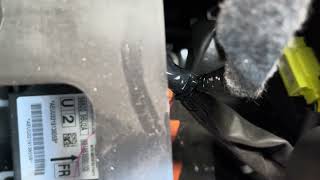
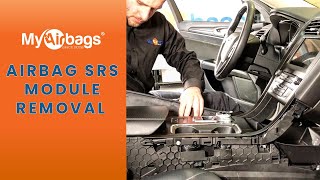
- Send your original locked module to a specialized third-party service. 🎬 See step-by-step instructions for removing your SRS module These services can electronically clear the crash data, restoring the module to its original, pre-accident state. This is often the most cost-effective option as it does not require subsequent VIN programming.
Buying a Used Air Bag Control Module
Purchasing a used module can offer significant savings, but you must be careful to ensure compatibility and functionality.
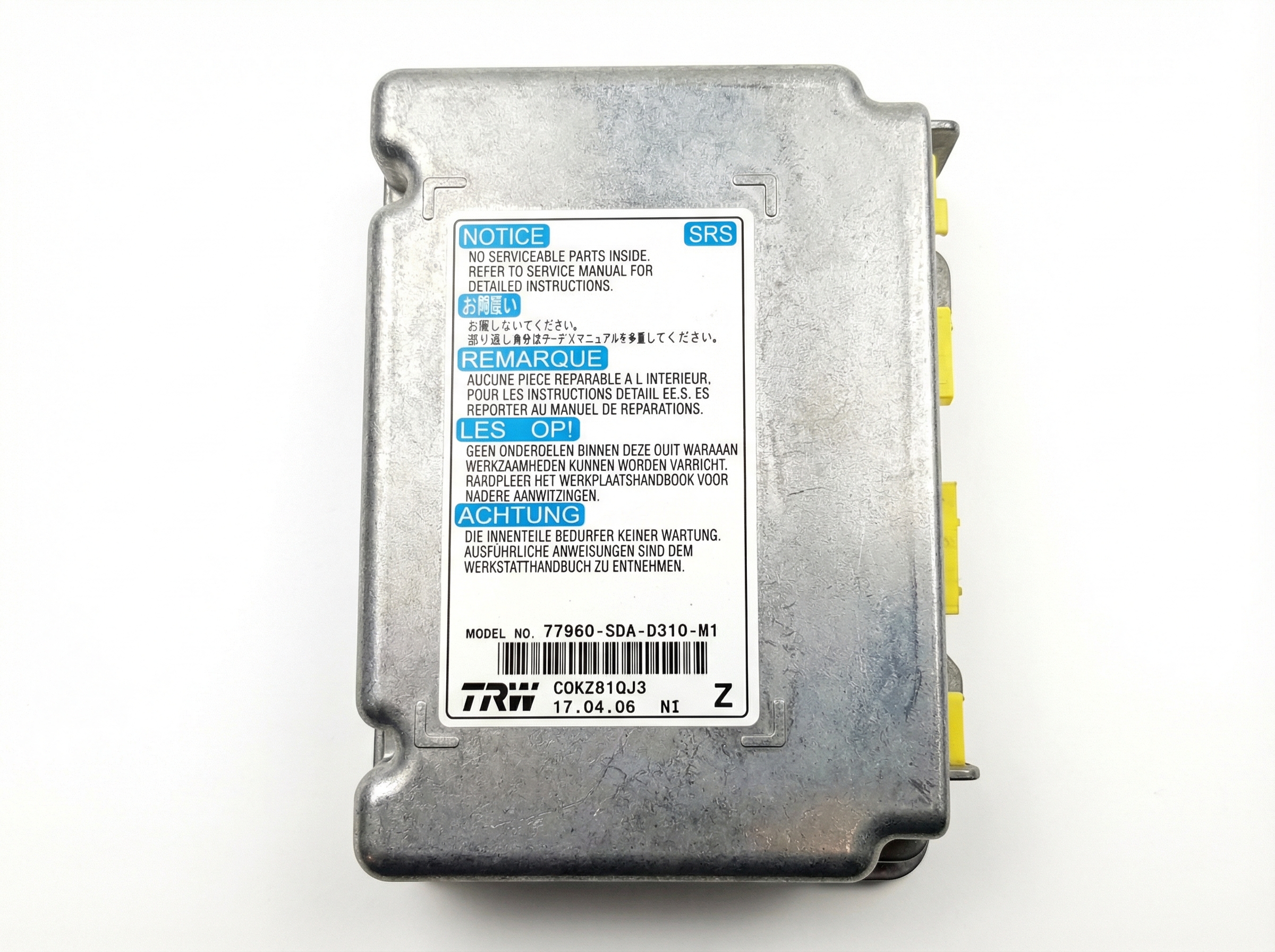
- Verify Vehicle Options: The most important compatibility check is for side airbags. The vetted part number 38930-82Z30 is for vehicles WITHOUT side airbags. Check if your truck has SRS tags on the sides of the front seats. If it does, you have side airbags and need a different module.
- Match Part Numbers Exactly: Ensure the part number on the replacement module is an exact match for your original module. Do not rely on visual similarity alone.
- Ask About Crash Data: When buying from a recycler, ask if the donor vehicle's airbags were deployed. If they were, the module will be locked and will require a reset service before it can be used. A module from a vehicle with no deployments is ideal.
- Physical Inspection: Inspect the module for any signs of physical damage, especially corrosion from water intrusion. The module is typically located in the center console area, under the dash or seats, where spills or leaks can cause damage. Check that the connectors are clean and free of bent pins.
Pro Tip: Consider having your original module's crash data cleared by a mail-in service. This costs around $50-$60 and is often the easiest path, as the module is returned ready to be reinstalled without any further programming needed.
Cost Comparison for Replacement
| Item | Estimated Cost | Notes |
|---|---|---|
| New OEM Module (Part Only) | $650 - $900 | Purchased from a Suzuki or Nissan dealer. Will require programming. |
| Used OEM Module (Part Only) | $50 - $150 | From a salvage yard or online retailer. May be locked with crash data and will require programming. |
| Module Reset Service | $50 - $75 | You mail your original module to be cleared of crash data. No programming needed upon return. |
| Shop Labor | $270 - $650 | Includes physical replacement and programming. Costs are higher if significant dashboard disassembly is needed. |
| Total Dealer Replacement (New) | $950 - $1,500+ | Includes new OEM part, labor, and programming. |
Frequently Asked Questions (FAQ)
Can I replace the airbag module myself?
The physical replacement is straightforward for a DIY mechanic; 🎬 Watch this guide on removing a Nissan Frontier airbag module it's typically held by a few bolts in the center console area. However, the module will not function until it is professionally programmed to your vehicle's VIN. Therefore, while you can install it, a trip to a dealer or a specialized shop will be necessary to make it work.
Can I use a module from a Nissan Frontier in my Suzuki Equator?
Yes, as long as the part number and vehicle options (specifically, the presence or absence of side airbags) are an exact match. The vehicles are identical in this regard.
My airbag light is on, but I haven't had a crash. What should I do?
First, have the system scanned for fault codes by a qualified mechanic. The light can be triggered by many issues, such as a faulty seatbelt buckle, a bad clock spring in the steering wheel, or a problem with a wheel speed sensor. Do not assume the module is bad without a proper diagnosis.
How do I reset the airbag light?
Some Nissan vehicles have a manual reset procedure involving a sequence of turning the ignition key on and off. However, this will only temporarily turn off the light if a "hard fault" exists. The light will come back on until the underlying problem is repaired. Clearing codes with an OBD-II scanner is the proper method after a repair is complete.
Where is the Air Bag Control Module located?
In the Suzuki Equator and Nissan Frontier, the module is typically located under the center console, between the two front seats. Access requires removing some of the surrounding plastic trim panels.
Helpful Videos
Technical Specifications
OEM Part Numbers: 38930-82Z30 3893082Z30
Location: Typically under the center console. Communication Protocol: CAN bus. Connectors: Typically yellow to signify SRS components.
We Have This Part in Stock



The information in this article is provided for general reference and educational purposes only. Vehicle specifications, procedures, and part compatibility can vary by production date, trim level, and region. Always consult your vehicle's factory service manual and verify part numbers before purchasing or performing repairs. Safety-critical components such as airbags, seat belts, and braking systems should be installed by a qualified professional.
- Suzuki Equator:
- 🎬 Helpful Videos
- 🛍️ Shop This Part
- The Suzuki Equator and Nissan Frontier Connection
- Symptoms of a Failing Air Bag Control Module
- Known Issues, Service Campaigns, and Recalls
- Programming and Replacement Procedures
- Programming is Required
- Crash Data Reset
- Buying a Used Air Bag Control Module
- Cost Comparison for Replacement
- Frequently Asked Questions (FAQ)
- 🎟️ Get 5% Off