

2017-2021 Honda Civic Airbag Module: SRS Light, Resets, and Programming Explained
This guide decodes the common SRS warning light on the 10th generation Honda Civic and explains the critical programming and replacement requirements for the airbag control module.
- If the SRS light is on, the entire airbag system is disabled and will not deploy in a crash.
- A new or used replacement module MUST be programmed to your car's VIN by a dealer or properly equipped shop.
- If your module has stored crash data after an accident, sending your original module for a 'reset' service is the most cost-effective option as it does not require reprogramming.
- Always check if your vehicle is affected by the passenger seat weight sensor recall, as this is a common cause for the SRS light and the repair is free at a dealer.
Symptoms of a Failing Air Bag Control Module

The most common and immediate sign of a problem with the airbag system is the SRS warning light illuminating on your dashboard. Unlike other warning lights, the SRS light indicates that the entire supplemental restraint system is disabled. This means that in the event of an accident, the airbags and seatbelt pretensioners will not deploy.
- SRS Light Stays On: After starting the car, the SRS light should illuminate for about six seconds for a self-check and then turn off. If the light remains on continuously, it signals a fault in the system.
- No Communication with Scan Tool: In some cases of internal failure, a diagnostic scan tool may be unable to communicate with the SRS module, making it impossible to read fault codes.
- Specific Fault Codes: While many codes can trigger the SRS light, codes pointing to an internal module failure or stored crash data are definitive. A common code related to the driver's airbag circuit is B0001-13, which can be caused by a faulty clockspring, the airbag itself, or the module.
Warning: Do not ignore the SRS light. If it is illuminated, your vehicle's entire airbag system is inactive and will not protect you in a crash. Your vehicle will also fail a state safety inspection.
Known Issues, Recalls, and Technical Service Bulletins (TSBs)

Major Recall: Front Passenger Seat Weight Sensor
Many 2017-2021 Honda Civics are covered by a significant safety recall (NHTSA ID: 24V-064, expanded by 26V-332) for a faulty front passenger seat weight sensor. A capacitor on the sensor's circuit board can crack, causing a short circuit. This defect can illuminate the SRS warning light and, more dangerously, cause the passenger airbag to deploy improperly in a crash—or fail to suppress deployment for a child or small occupant, increasing injury risk. Before assuming the main SRS module is bad, a dealer should check if your vehicle is affected by this recall, as the sensor replacement is performed free of charge.
Replacement, Programming, and Resetting

Replacing the airbag control module in a 10th generation Civic is not a simple plug-and-play task. Understanding the difference between replacing, programming, and resetting is crucial for a successful and cost-effective repair.
Module Location
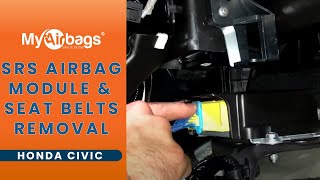
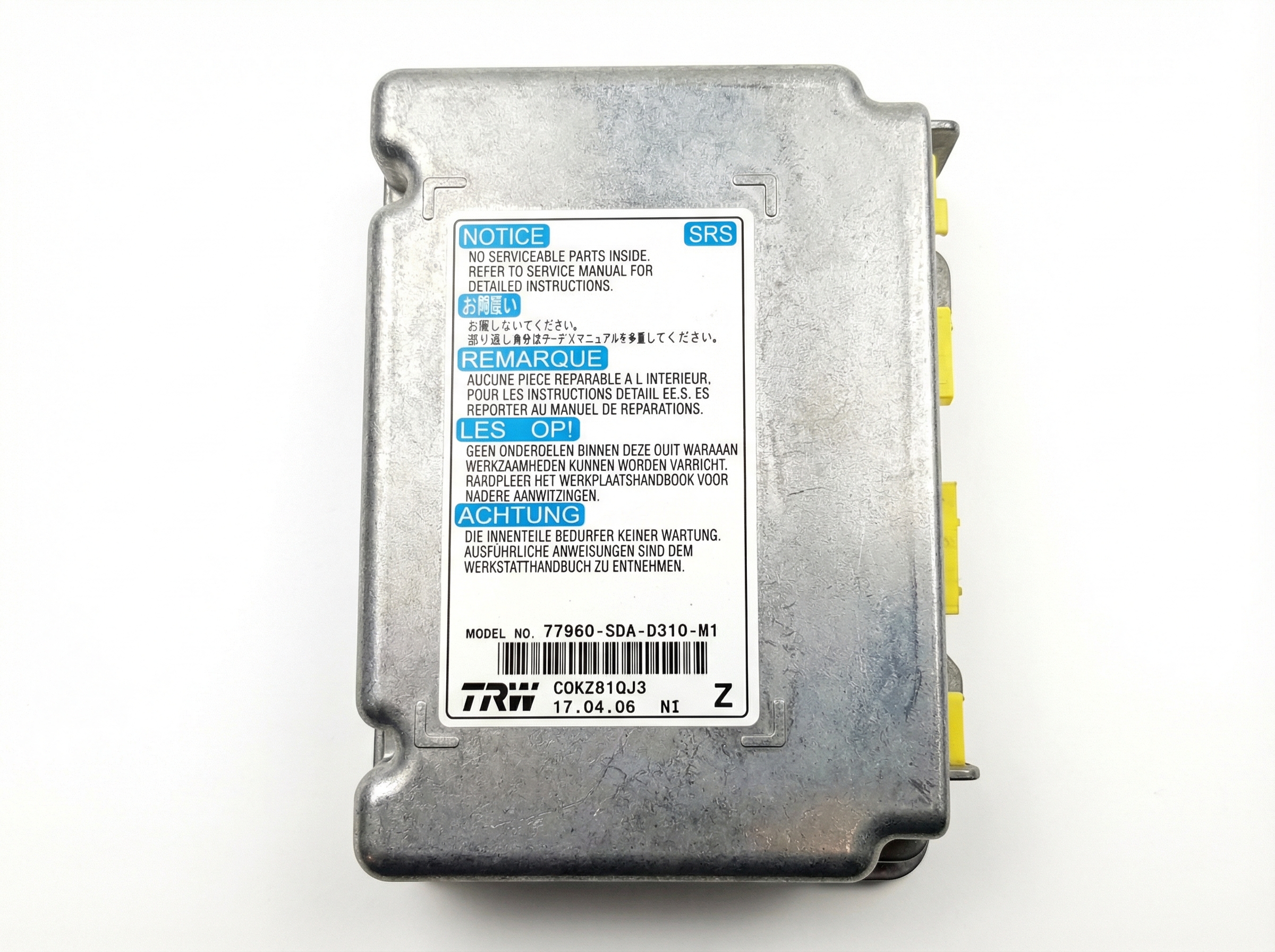
The SRS control module is located under the center console, between the two front seats. Accessing it requires removing the side panels of the center console. 🎬 Watch: How to remove the SRS airbag module The module is a metal box, typically with distinctive yellow connectors and wiring.
Pro Tip: Before working on any component of the SRS system, you MUST disconnect the vehicle's negative battery terminal and wait at least 10 minutes for the system's backup power to discharge. Failure to do so can result in accidental airbag deployment and serious injury.
Programming is Mandatory for New or Used Modules
If you install a new module from a dealer or a used module from another vehicle, it must be programmed to your car's specific Vehicle Identification Number (VIN) and configuration. This process requires a dealer-level diagnostic tool, like the Honda Diagnostic System (HDS), and a software subscription. An independent shop with the right equipment can also perform this service. Without programming, the module will not be recognized by the vehicle, the SRS light will remain on, and the system will not work.
Crash Data Reset: The Smart Repair After an Accident
If your original module is only non-functional because it stored crash data after an accident (even a minor one that only fired the seatbelt pretensioners), the most economical solution is a reset service. You can remove your original module and mail it to a specialized company that will electronically 'flash' it, clearing the stored crash data and restoring it to its factory state.
The major advantage of this method is that the module remains programmed to your car's VIN. After you receive it back, it is a simple plug-and-play installation with no additional dealer programming required, saving significant time and money.
Buying a Used Air Bag Control Module: What You Need to Know
Purchasing a used SRS module can be a cost-effective option, but it comes with critical considerations. This is the most important section for anyone buying a recycled OEM unit.
- Match the Part Number EXACTLY: This is the most important rule. Honda uses many different modules for various trims and body styles. The part numbers for the Si are different from the Type R or the base model Hatchback. For example, part numbers starting with 77960-TBF- are for the Si Sedan, while 77960-TGG- are for the Hatchback. Check the alphanumeric ID on your original module and ensure the replacement is identical.
- Assume it Contains Crash Data: Unless the seller explicitly guarantees the module has been professionally reset and is 'virginized', you should assume any used module pulled from a salvage vehicle contains crash data. If it does, it will not work until it is sent to a reset service. Factor this potential extra cost and time into your purchase decision.
- It Will Require VIN Programming: Remember, a used module is programmed to the donor vehicle's VIN. After installation, it must be reprogrammed to your vehicle by a dealer or qualified shop.
- Physical Inspection: Before purchasing, inspect the module for any signs of physical damage, corrosion on the connector pins, or water intrusion. A compromised case means the internal electronics are likely damaged beyond repair.
Cost to Replace the Air Bag Control Module
Costs can vary significantly based on the part source and labor rates. Here is a general breakdown:
| Item | Estimated Cost | Notes |
|---|---|---|
| New OEM Module (Part Only) | $580 - $1,500+ | Price varies widely by specific part number for different trims (Si, Type R, etc.). |
| Used OEM Module (Part Only) | $50 - $250 | Likely requires an additional reset service and will require programming. |
| Module Reset Service | $50 - $150 | Clears crash data from your original module. No programming needed after reinstallation. |
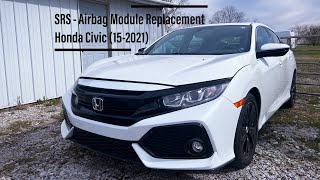
| Shop Labor (Replacement) | $280 - $415 | Cost to physically swap the module. 🎬 See this Honda Civic SRS module replacement walkthrough Does not include programming. |
| Shop Labor (Programming) | $150 - $250 | Cost for a dealer or independent shop to program a new or used module to the vehicle's VIN. |
Frequently Asked Questions (FAQ)
Can I drive my Civic with the airbag light on?
While the car will drive normally, it is strongly discouraged. An illuminated SRS light means the entire airbag and seatbelt pretensioner system is deactivated and will not function in a crash, putting you and your passengers at serious risk.
Do I have to go to the dealer to program a new airbag module?
Not necessarily, but the programming requires specialized equipment and software (like Honda HDS). Many independent repair shops that specialize in Honda or import vehicles have this capability. However, a standard mechanic or a DIYer cannot perform the programming.
Why is my SRS light on if my car hasn't been in an accident?
There are many potential causes besides a crash. The most common on this Civic generation is the faulty seat weight sensor, which is subject to a recall. Other causes can include a bad clockspring in the steering column, faulty impact sensors, or poor wiring connections. A diagnostic scan is required to identify the specific fault code.
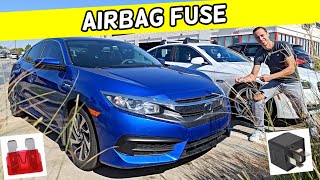
🎬 Watch: How to find the SRS airbag module fuse locationWhat's the difference between clearing codes and a module reset?
Clearing codes with a standard scanner only works for 'soft codes' from minor faults. A module reset is a much deeper process that involves electronically 'flashing' the module's memory to erase the permanent 'hard codes' and crash data stored after an accident. A standard scanner cannot remove crash data.
Helpful Videos
Technical Specifications
OEM Part Numbers: 77960-TBF-A01 77960-TBF-A02 77960-TBF-A03 77960TBFA01 77960TBFA02 77960TBFA03 77960-TGG-A02 77960-TGG-A03 77960-TGH-A01 77960-TGH-A02
Located under the center console. Communicates with all vehicle safety sensors. Stores permanent crash data upon deployment. Requires VIN-specific programming.
We Have This Part in Stock




The information in this article is provided for general reference and educational purposes only. Vehicle specifications, procedures, and part compatibility can vary by production date, trim level, and region. Always consult your vehicle's factory service manual and verify part numbers before purchasing or performing repairs. Safety-critical components such as airbags, seat belts, and braking systems should be installed by a qualified professional.
- Honda Civic:
- 🎬 Helpful Videos
- 🛍️ Shop This Part
- Symptoms of a Failing Air Bag Control Module
- Known Issues, Recalls, and Technical Service Bulletins (TSBs)
- Major Recall: Front Passenger Seat Weight Sensor
- Replacement, Programming, and Resetting
- Module Location
- Programming is Mandatory for New or Used Modules
- Crash Data Reset: The Smart Repair After an Accident
- Buying a Used Air Bag Control Module: What You Need to Know
- Cost to Replace the Air Bag Control Module
- Frequently Asked Questions (FAQ)
- 🎟️ Get 5% Off