

2019-2020 Subaru Ascent Blind Spot Module Failure: The 'BSD/RCTA Disabled' Warning Explained
This guide covers the common failures, diagnostic codes, and mandatory calibration requirements for the rear radar control unit in the 2019-2020 Subaru Ascent.
- This module controls the Blind Spot Detection (BSD) and Rear Cross-Traffic Alert (RCTA), not the front-facing EyeSight system.
- Replacement of this module, whether new or used, absolutely requires a professional ADAS calibration with special targets to function.
- The most common failure cause is a bent mounting bracket from a minor impact, even if the bumper shows no damage.
- There are no active recalls for this specific part or system on the 2019-2020 Ascent.
Primary Symptom: 'BSD/RCTA Disabled' Warning Light

The most common sign of a problem with this system is a persistent 'BSD/RCTA Disabled' message appearing on the instrument cluster's multi-function display. When this warning is active, the amber indicator lights on your side mirrors will not function, and both the Blind Spot Detection and Rear Cross-Traffic Alert safety features will be inoperative. The issue may start intermittently before becoming a constant warning. In some cases, the system may malfunction, causing false alerts, such as the mirror light illuminating when no car is present.
Known Issues and Common Causes of Failure

While the module itself can fail internally, the system's components are highly sensitive to physical disturbance. Understanding these common issues is key to a correct diagnosis.
Minor Impacts and Bracket Misalignment
The radar sensors that feed information to this control module are mounted on thin metal brackets behind the rear bumper cover. These brackets are extremely fragile and can be bent or knocked out of alignment from even a minor parking lot bump, a scrape, or hitting a deep pothole. Often, there will be no visible damage to the outside of the bumper, but the slight misalignment is enough to make the system shut down and display the 'BSD/RCTA Disabled' warning. Technicians often find a bent bracket to be the root cause of the failure.
Water Intrusion and Corrosion
Given its location in the rear quarter panel, the module and its connectors are susceptible to moisture. Over time, seals can degrade, allowing water to enter and cause corrosion on the module's circuit board or connector pins. This corrosion can interrupt communication and lead to intermittent or total failure.
Internal Faults and Technical Service Bulletins (TSBs)
Subaru has issued Technical Service Bulletins for similar systems that address internal logic flaws. TSB 10-89-17R, for example, discusses how some earlier radar units could have communication errors or make improper signal calculations, leading to failure codes. This indicates that in some cases, the failure is due to an internal hardware or software problem, not external damage. One common diagnostic trouble code is B2327, which points to an internal failure of the rear radar unit.
Diagnosing the Failure

A proper diagnosis requires a professional-grade scan tool that can communicate with Subaru's body control systems, such as the Subaru Select Monitor (SSM) or a high-end aftermarket tool. Standard OBD-II code readers that only check for powertrain codes (starting with 'P') will not be able to read the necessary codes from this system.
A technician will scan for Diagnostic Trouble Codes (DTCs) specific to the Blind Spot Detection system. Common codes include:
- B2328: RADAR misalignment
- B2327: REAR RADAR INTERNAL FAILURE
The diagnostic process involves checking for these codes, inspecting the modules and wiring for physical damage or corrosion, and verifying the alignment of the sensor brackets.
Warning: A replacement module, whether new or used, MUST be calibrated to the vehicle after installation. This is not an optional step.
Programming and Calibration Requirements

This is not a plug-and-play part. After the module is physically installed, it must be electronically calibrated so the radar knows exactly where it is pointing. Failure to calibrate will result in the 'BSD/RCTA Disabled' light remaining on and the system not functioning.
The calibration procedure is complex and requires specialized equipment:
- Vehicle Alignment: A four-wheel alignment must be performed before ADAS calibration to ensure the vehicle is tracking straight.
- Specialized Targets: A specific corner reflector target must be placed on a tripod at a precise distance and height behind the vehicle.
- Scan Tool Procedure: A technician uses a compatible scan tool to initiate the calibration routine, which registers the new module to the vehicle and adjusts its settings based on the target's position.
Because of these requirements, the final calibration step must be performed by a Subaru dealership or a qualified independent auto shop that has invested in the necessary ADAS calibration equipment. The physical replacement can be done by a DIY mechanic, but the job is not complete until it is professionally calibrated.
Buying a Used Advance Driver Assistance System (ADAS) Control Unit
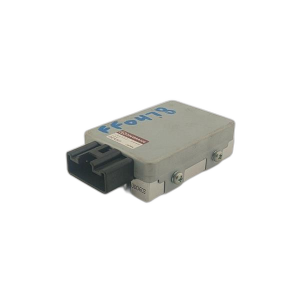
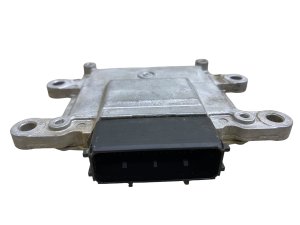
Purchasing a used OEM module is a cost-effective alternative to a new part, especially since reliable aftermarket options are generally not available. However, it's important to buy smart.
- Verify the Part Number: Ensure the part number on the used module exactly matches your original one. The primary part number for the left (driver's side) module is 87631XC00A.
- Inspect for Damage: Carefully examine the used module for any cracks in the plastic housing, bent or corroded connector pins, or signs of water damage. Do not buy a part that looks like it has been exposed to the elements.
- Budget for Calibration: Remember that the price of the used part is not your final cost. You must factor in the cost of professional installation and, most importantly, the mandatory ADAS calibration, which can be several hundred dollars.
- Source from Reputable Recyclers: Buy from established auto recyclers who offer a warranty. This provides protection in case you receive a defective part. One recycler listed a used module with a 1-year warranty.
Cost Breakdown
The cost to repair the BSD/RCTA system can vary significantly based on what has failed. A simple bracket replacement is much cheaper than a full module replacement and calibration.
| Item | Estimated Cost |
|---|---|
| New OEM Module (Part #87631XC00A) | $155 - $235 |
| Used OEM Module | $100 - $150 |
| Shop Labor (Installation & Calibration) | $400 - $1,200+ |
| Total Dealer Repair (Module + Labor) | $1,200 - $1,600 |
Note: Labor costs are highly variable. The high end reflects a full diagnosis, module replacement, and ADAS calibration at dealership rates.
Frequently Asked Questions (FAQ)
Can I replace the blind spot module myself?
A skilled DIY mechanic can perform the physical swap, which involves removing the rear bumper cover to access the module. However, the final, mandatory step of radar calibration requires expensive, specialized equipment and must be done by a professional shop or dealer.
Is this problem covered by a recall?
No. While the 2019-2020 Subaru Ascent has several recalls for issues like the fuel pump and drive chain, none of them cover the Blind Spot Detection (BSD/RCTA) system or this specific control module.
Why did my blind spot module fail if I wasn't in an accident?
The mounting brackets for the radar sensors are notoriously fragile. A hard bump from a pothole, a scrape against a snowbank, or even a minor, unnoticed tap in a parking lot can be enough to bend the bracket and misalign the sensor, triggering a system fault. Internal component failure or water intrusion can also cause failure without any impact.
What is the difference between the left and right side modules?
The left (driver's side) and right (passenger's side) modules often have different part numbers and are not interchangeable. The part number 87631XC00A is specified for the left side. Always confirm the correct part number for the specific side you are replacing.
Technical Specifications
OEM Part Numbers: 87631XC00A
This module is part of the Subaru Rear Vehicle Detection (SRVD) system and operates using radar signals. It requires professional calibration after installation.
We Have This Part in Stock




The information in this article is provided for general reference and educational purposes only. Vehicle specifications, procedures, and part compatibility can vary by production date, trim level, and region. Always consult your vehicle's factory service manual and verify part numbers before purchasing or performing repairs. Safety-critical components such as airbags, seat belts, and braking systems should be installed by a qualified professional.
- Subaru Ascent:
- 🛍️ Shop This Part
- Primary Symptom: 'BSD/RCTA Disabled' Warning Light
- Known Issues and Common Causes of Failure
- Minor Impacts and Bracket Misalignment
- Water Intrusion and Corrosion
- Internal Faults and Technical Service Bulletins (TSBs)
- Diagnosing the Failure
- Programming and Calibration Requirements
- Buying a Used Advance Driver Assistance System (ADAS) Control Unit
- Cost Breakdown
- Frequently Asked Questions (FAQ)
- 🎟️ Get 5% Off