

BMW Adaptive Headlight Malfunction: 2003-2010 3, 5, 6, 7-Series, X3 & X5 Module Failure and Programming
This guide explains the common "Adaptive Headlight Malfunction" warning, its causes, and the critical programming steps required when replacing the control module.
- A replacement module, whether new or used, absolutely requires programming and coding by a dealer or a specialist with BMW-specific tools to function.
- The most common cause of failure is water damage due to the module's location in the driver's footwell; check for dampness before replacing.
- The 'Adaptive Headlight Malfunction' error can also be caused by cheaper-to-fix issues like a failed stepper motor controller (SMC) on the headlight itself or a simple calibration issue.
- Buying a used OEM module is a great way to save money, but only if you have a plan for getting it professionally coded to your car's VIN.
Symptoms of a Failing Adaptive Light Module
When the Adaptive Light Module fails, your vehicle will alert you with clear and specific warnings. Diagnosing the issue correctly is key, as the module itself is not always the culprit. The problem could also be a stepper motor inside the headlight, the wiring, or a sensor.
- "Adaptive Headlight Malfunction" Message: The most common symptom is a warning message appearing on the iDrive screen or instrument cluster.
- Flashing Green Light: A small green LED indicator on the headlight switch will often flash to signal a fault in the system.
- Headlights Stop Swiveling: The primary function of the system will cease to work. The headlights will remain in a fixed, straight-ahead position and will not turn with the steering wheel.
- Incorrect Headlight Aim: One or both headlights may get stuck pointing downwards or off to the side, severely reducing visibility.
- Flickering Headlights: An unstable power supply from a failing module can sometimes cause the xenon headlights to flicker.
- Diagnostic Trouble Codes (DTCs): A professional scan will reveal specific fault codes. Common codes point to a communication failure with the module or a stepper motor controller, such as code 9CC2 (signalling fault with stepper motor controller).
Common Causes of Failure
This module is known to fail for a few common reasons, with water damage being the most frequent cause.
1. Water Intrusion
The Adaptive Light Module is located in the driver's side footwell, near the pedals, on most of the affected vehicles including the 5-Series (E60), 7-Series (E65), and X5 (E53). This location makes it highly vulnerable to moisture. Clogged sunroof drains, a leaking windshield seal, or even excessive water from a car wash can allow water to pool in the footwell, shorting out the module. Always check for dampness in the carpet or corrosion on the module's connectors.
2. Internal Headlight Issues
It's important to distinguish between the main AHL module in the footwell and the smaller Stepper Motor Controller (SMC) modules mounted to the bottom of each headlight assembly. These SMC modules can also fail due to moisture getting inside the headlight housing from a bad seal. Furthermore, the wiring inside the headlight assembly can become brittle from heat over time, causing the insulation to crack and wires to short out, which can damage the control modules.
3. Electronic Failure
Like any complex electronic component, the module can simply fail from age and heat cycles, causing internal solder joints or microprocessors to fail even without any water damage.
Diagnosing the Fault: Module, Motor, or Wiring?
Before buying a new module, it's wise to perform some diagnosis. A fault in the adaptive system can be caused by several components:
- The Main AHL Module (in the footwell): If both headlights fail simultaneously and a scan tool cannot communicate with the module, the main AHL unit is a likely suspect. Water damage in the footwell is a strong indicator.
- The Stepper Motor Controller (SMC) (on the headlight): If only one headlight is malfunctioning, the SMC on that specific headlight might be the problem. Condensation inside that headlight lens points to a failed SMC due to moisture.
- The Stepper Motor (inside the headlight): A clicking or grinding noise from inside the headlight suggests a mechanical failure of the motor itself.
- Steering Angle Sensor (SAS): If the error appeared right after a wheel alignment, the SAS may just need to be recalibrated. The system needs correct steering data to function.
Pro Tip: A professional diagnosis with BMW-specific software like ISTA is the best way to pinpoint the exact failed component. It can read manufacturer-specific codes and test the communication with each module individually, saving you from replacing the wrong part.
Replacement and MANDATORY Programming
Replacing the Adaptive Light Module is a two-part process: physical installation and electronic programming. This part is not plug-and-play.
Installation
The main AHL module is typically located in the driver's footwell. To access it, you will need to remove the lower dashboard trim panel above the pedals. It is a small, black plastic box with electrical connectors. Physically swapping the unit is straightforward once you access it.
Programming and Coding
Warning: A replacement Adaptive Light Module, whether new or used, MUST be programmed and coded to your vehicle's specific VIN and options to function. Skipping this step will result in the system not working and the error message remaining on your dash.
- New OEM Module: A brand new module must be programmed with the correct software for your car and then coded to match its features.
- Used OEM Module: A used module must first be reset, then have your car's VIN written to it, and finally be coded to your car's Vehicle Order (VO).
Who can program the module?
- BMW Dealership: They have the factory tools and training to perform the programming correctly.
- Independent BMW Specialist: Many independent shops have professional tools like Autologic or ISTA that can program and code modules.
- Advanced DIY: Enthusiasts with a laptop, a K+DCAN cable, and software like NCS Expert and WinKFP can perform the coding themselves, but this is a complex process with a steep learning curve.
Simple apps like BimmerCode are generally used for feature customization and can sometimes be used to *disable* the adaptive headlight function to remove the error, but this is not a repair and does not make a new module work.
Buying a Used Adaptive Light Module
For many owners, a used OEM module is a cost-effective solution, provided you plan for the required programming. Here’s what to look for:
- Verify Part Numbers: Match your original part number. The key numbers are 61356934122 and its successor, 61356934837. The last 7 digits (6934122 or 6934837) are often used as shorthand.
- Inspect for Corrosion: Carefully check the electrical pins in the connectors for any signs of green or white corrosion. This is a clear sign of water damage, and you should reject the part.
- Source a Programmer First: Before buying a used module, confirm that you have a local shop or the DIY tools capable of coding a used module to your car. The savings on the part are lost if you cannot get it programmed.
- Why Used OEM is a Good Choice: For an electronic module like this, a used OEM part that has been tested and is free of water damage is often more reliable than a cheap, new aftermarket alternative, which may have compatibility or quality issues.
Vehicle Fitment and Part Location
This specific Adaptive Light Module (61356934122 / 61356934837) fits a wide range of BMWs from the mid-2000s that were equipped with the Adaptive Headlights (AHL) option. While the module is the same, its exact location and the procedure to access it can vary slightly.
| Vehicle | Chassis | Years | Module Location |
|---|---|---|---|
| BMW 325i / 330i | E46 | 2004-2006 | Driver's side footwell, above pedals |
| BMW 525i / 530i | E60 | 2004-2005 | Driver's side footwell, above pedals |
| BMW 645Ci | E63/E64 | 2004-2005 | Driver's side footwell, above pedals |
| BMW 745i / 750i / 760i | E65/E66 | 2003-2008 | Driver's side footwell, above pedals |
| BMW X3 | E83 | 2004-2010 | Driver's side footwell, above pedals |
| BMW X5 | E53 | 2004-2006 | Driver's side footwell, above pedals |
Cost of Replacement
The cost to fix an adaptive headlight issue can vary dramatically depending on the failed component and labor rates.
| Part / Service | Estimated Cost | Notes |
|---|---|---|
| New OEM Module | $275 - $450 | Part only, from a dealer or online OEM supplier. |
| Used OEM Module | $30 - $75 | From an online auto recycler or eBay. |
| Shop Labor (Module Replacement) | $150 - $300 | For replacing the module in the footwell and programming. |
| Shop Labor (SMC Replacement) | $400 - $700+ | Requires front bumper and headlight removal. |
| Dealer Diagnosis & Programming | $200 - $400 | Cost for just diagnosing the issue and/or programming a part you supply. |
Frequently Asked Questions (FAQ)
Can I just ignore the 'Adaptive Headlight Malfunction' warning?
You can, but it's not recommended. When the system fails, the headlights default to a fixed position. This means you lose the safety benefit of the cornering lights, and in some cases, the headlights can get stuck aimed improperly, reducing your visibility and potentially blinding other drivers.
What is the difference between the AHL module and the SMC module?
The AHL (Adaptive Headlight) module is the central control unit, usually in the car's footwell, that makes the decisions. The SMC (Stepper Motor Controller) is a smaller module attached to the bottom of each individual headlight assembly that receives commands from the AHL module and physically drives the motors. A failure in either one can cause the system to stop working.
Do I need to buy a module from the exact same model and year?
No, as long as the part number (61356934122 or 61356934837) matches, the module is physically compatible across all the listed vehicles. However, it will always need to be coded to your specific car's VIN and options list (VO) to work correctly.
Can I replace the Adaptive Light Module myself?
Physically replacing the module in the footwell is a feasible DIY job for someone comfortable working under the dashboard. However, the mandatory programming step requires specialized software and knowledge. Unless you are equipped for BMW coding, you will need to visit a dealer or specialist shop to complete the job.
Technical Specifications
OEM Part Numbers: 61356934122 61356934837 6934122 6934837
Controls the adaptive (cornering) function of xenon (HID) headlights. Communicates via the vehicle's LIN/CAN bus system. Typically located in the driver-side footwell.
We Have This Part in Stock

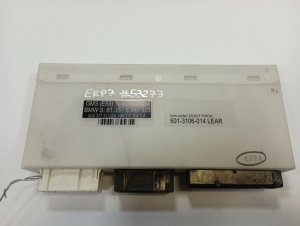



The information in this article is provided for general reference and educational purposes only. Vehicle specifications, procedures, and part compatibility can vary by production date, trim level, and region. Always consult your vehicle's factory service manual and verify part numbers before purchasing or performing repairs. Safety-critical components such as airbags, seat belts, and braking systems should be installed by a qualified professional.
- BMW X5:
- BMW X3:
- BMW 330i:
- BMW 750i:
- BMW 530i:
- BMW 760i:
- BMW 325i:
- BMW 525i:
- BMW 745i:
- BMW 645Ci:
- BMW 545i:
- 🛍️ Shop This Part
- Symptoms of a Failing Adaptive Light Module
- Common Causes of Failure
- 1. Water Intrusion
- 2. Internal Headlight Issues
- 3. Electronic Failure
- Diagnosing the Fault: Module, Motor, or Wiring?
- Replacement and MANDATORY Programming
- Installation
- Programming and Coding
- Buying a Used Adaptive Light Module
- Vehicle Fitment and Part Location
- Cost of Replacement
- Frequently Asked Questions (FAQ)
- 🎟️ Get 5% Off