

2012-2022 Toyota Sequoia Suspension Module: Solving Ride Height Issues & Avoiding Programming Traps
This guide covers the diagnosis, replacement, and critical calibration requirements for the active suspension control module in 2012-2022 Toyota Sequoia Platinum models.
- This module is ONLY for Toyota Sequoia Platinum trims with factory air suspension.
- A used module MUST be calibrated to the vehicle using Toyota's Techstream software after installation; it is not a plug-and-play part.
- You must match the OEM part number exactly. There are three different, non-interchangeable modules for the 2012-2022 generation.
- Always diagnose leaky air springs, faulty height sensors, and the compressor before replacing the module, as they are more common failure points.
Symptoms of a Failing Suspension Control Module

A problem with the suspension control module can be difficult to distinguish from other air suspension issues like a leaking air spring or a bad compressor. The module is often blamed when another component is the true cause. Pay close attention to these specific symptoms:
- Suspension Warning Light: The most common sign is an illuminated "Air Ride Suspension" or "MAN" (manual) warning light on the instrument cluster.
- Uneven or Sagging Stance: The vehicle may lean to one side or the rear end may sag, especially after being parked overnight. This indicates the system is failing to hold air or level itself.
- Harsh or Bouncy Ride: If the module fails to adjust the damping, the ride can become uncomfortably stiff, bouncy, or you may feel every bump in the road.
- Inability to Adjust: The dashboard switches for changing ride height (High/Low) or comfort modes (Comfort/Sport) will become unresponsive.
- Excessive Compressor Noise: You may hear the air suspension compressor running constantly or being much louder than usual as it tries to compensate for a system fault.
Associated OBD-II trouble codes are crucial for diagnosis. A very common fault code is C1761, which means the compressor motor ran for an excessive amount of time without the vehicle reaching its target height. This code doesn't automatically mean the module is bad; it often points to an air leak in a spring or line, or a weak compressor.
Known Issues, TSBs, and Recalls

While there are no specific recalls for the control module itself, Toyota has issued a Technical Service Bulletin (TSB) related to the air suspension system on these Sequoias.
- TSB ID 197844: Released for 2013-2016 Toyota Sequoias, this TSB addresses a condition where the vehicle's rear air suspension causes a lean to the left side. This bulletin provides dealers with a specific diagnostic and repair procedure.
It's important to note that most air suspension problems on the Sequoia are caused by the failure of mechanical or electro-mechanical parts, not the control module. Leaking air springs (the rubber bags that hold the air), worn-out compressors, and faulty height sensors are the most common culprits. Always perform a thorough diagnosis before condemning the expensive control module.
Pro Tip: A simple way to check for air spring leaks is to park the vehicle on level ground, measure the ride height at all four corners (from the center of the wheel to the fender lip), and let it sit overnight. A significant drop in height at one or more corners points to a leak in an air spring or line, not a faulty module.
Buying a Used Active Suspension Control Module

Given the high cost of a new module, a used OEM unit is a smart choice. However, there are critical compatibility rules you must follow to avoid buying an expensive paperweight.
1. Match the Part Number EXACTLY
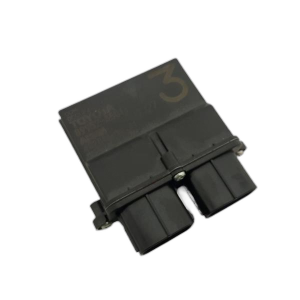
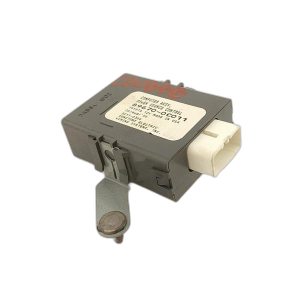
Toyota used three different modules during this generation, and they are NOT interchangeable. They correspond to specific production date ranges. You must physically inspect your original module and match the part number.
| Part Number | Vehicle Production Dates |
|---|---|
| 89293-34050 | 2012 – August 2015 |
| 89293-34051 | August 2015 – August 2017 |
| 89293-34052 | August 2017 – 2022 |
2. Programming vs. Calibration: The Critical Difference
Warning: This module requires a special calibration procedure after installation. You cannot simply swap it and expect it to work correctly.
Toyota service documents state that ECUs have internal security preventing them from being programmed with another vehicle's information. This means you cannot flash a used module with different firmware. However, this is different from calibration. After installing a used module with the correct part number, it must be calibrated to the vehicle using Toyota's Techstream diagnostic software. This procedure, called "Vehicle Height Offset Calibration," teaches the module the baseline ride height of its new vehicle. Without this step, the system will not function properly and will likely set fault codes.
This means a visit to a Toyota dealership or a well-equipped independent shop with Techstream software is mandatory after installing a used module. While a forum user reported successfully swapping a used module, the official procedure confirms calibration is a required final step.
3. Physical Inspection
When buying a used module, inspect it for:
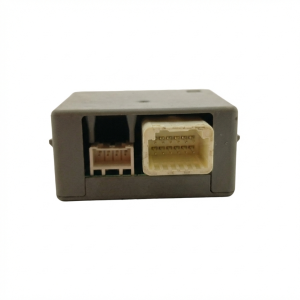
- No Physical Damage: Check for cracks in the plastic casing or damage to the connector pins.
- No Signs of Water Intrusion: Although located inside the cabin behind the dashboard, look for any corrosion or water marks on the connectors, which could indicate a leak from the windshield or sunroof.
Replacement Overview and Location

The Active Suspension Control Module is located inside the cabin, behind the center dashboard trim and radio/infotainment unit. Access requires careful removal of the center air vents and surrounding trim panels. While the physical swap is straightforward for a DIY mechanic with experience in interior trim removal, the mandatory post-installation calibration makes it a job that will ultimately require professional tools.
Estimated Costs
The air suspension system is one of the most expensive systems to repair on a Sequoia. Choosing a used module can provide significant savings.
| Part / Service | Estimated Cost |
|---|---|
| New OEM Module | $1,250 - $2,250 |
| Used OEM Module | $200 - $500 |
| Shop Labor (Replacement) | $150 - $225 |
| Shop Labor (Calibration) | $100 - $200 (Typically 1 hour of labor) |
Frequently Asked Questions (FAQ)
Does a used suspension control module need to be programmed?
It does not need to be "re-flashed" with new software, but it absolutely must have a "Vehicle Height Offset Calibration" performed. This requires Toyota's Techstream software and must be done by a dealer or qualified independent shop after the part is installed.
Can I replace the suspension control module myself?
A DIYer can physically replace the module, as it is located behind the radio and held in by simple bolts. However, because the mandatory final calibration step requires expensive, specialized software, the job cannot be fully completed at home. You will need to drive the vehicle to a shop for the final step.
Is this module linked to the immobilizer or anti-theft system?
No, the Active Suspension Control Module is not part of the engine immobilizer system. Replacing it will not prevent the vehicle from starting.
What happens if I keep driving with a bad suspension module?
You can continue to drive the vehicle, but the ride quality will be poor, and the vehicle may handle unpredictably, especially during cornering or braking. The vehicle will not be able to self-level, which can be dangerous when towing or carrying heavy loads. It can also cause uneven tire wear over time. If the failure also disables the ABS or traction control systems, it should be repaired immediately.
Technical Specifications
OEM Part Numbers: 89293-34050 89293-34051 89293-34052 8929334050 8929334051 8929334052
Location: Behind the center console/radio. Communication Protocol: CAN Bus. Required Software: Toyota Techstream for calibration.
We Have This Part in Stock




The information in this article is provided for general reference and educational purposes only. Vehicle specifications, procedures, and part compatibility can vary by production date, trim level, and region. Always consult your vehicle's factory service manual and verify part numbers before purchasing or performing repairs. Safety-critical components such as airbags, seat belts, and braking systems should be installed by a qualified professional.
- Toyota Sequoia:
- 🛍️ Shop This Part
- Symptoms of a Failing Suspension Control Module
- Known Issues, TSBs, and Recalls
- Buying a Used Active Suspension Control Module
- 1. Match the Part Number EXACTLY
- 2. Programming vs. Calibration: The Critical Difference
- 3. Physical Inspection
- Replacement Overview and Location
- Estimated Costs
- Frequently Asked Questions (FAQ)
- 🎟️ Get 5% Off