

2020-2023 GR Supra Active Suspension Module: Failure, Diagnosis, and Mandatory Programming
Diagnose a 'Chassis Malfunction' warning and understand the critical programming steps required when replacing this BMW-sourced module in your A90/A91 Supra.
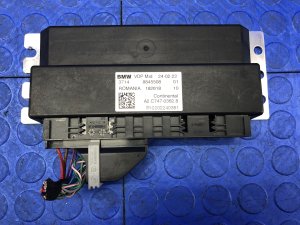
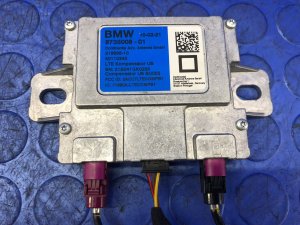
- This is a BMW part; the module in your Supra is the same as in a BMW Z4 and will have a BMW part number.
- Replacement modules MUST be programmed to your car's VIN using BMW/Toyota ISTA software. It is not a plug-and-play part.
- Before replacing the module, always check for cheaper, more common failures like broken ride height sensor brackets or faulty wheel speed sensors.
- A used OEM module is a cost-effective option, but you must budget for the specialized programming required to make it work.
Symptoms of a Failing Active Suspension Control Module
A problem with the AVS system will almost always trigger a warning message on the instrument cluster or main display. However, these warnings can point to a failed sensor or wiring just as often as a bad module.
- "Chassis Malfunction" or "Suspension Malfunction" Warning: This is the most common symptom. The message may appear intermittently after hitting a bump or become permanent. The car will advise that 'Continued driving is possible.'
- Extremely Stiff or Bouncy Ride: When the control module fails or loses communication with a key sensor, the electronic dampers default to their firmest setting. This makes the ride harsh and uncomfortable, especially over imperfect roads.
- Inability to Change Suspension Modes: The button to switch between Normal and Sport suspension settings may become unresponsive, leaving the car stuck in one mode.
- Diagnostic Trouble Codes (DTCs): A proper OBD-II scanner that can read manufacturer-specific codes is essential for diagnosis. Generic scanners may not see these codes. Look for the following:
- C1781: Suspension Control ECU Malfunction (Points directly to an internal module failure).
- C1789: Vehicle Identification Malfunction (Strongly indicates the installed module is not programmed to the car's VIN).
- U0122: Lost Communication With Vehicle Dynamics Control Module.
Pro Tip: Before blaming the control module, inspect the ride height sensors connected to the suspension arms. The plastic mounting brackets for these sensors are fragile and known to break, especially during suspension work like installing lowering springs. A loose or damaged sensor can cause identical 'Chassis Malfunction' warnings. Also check for damaged wiring to the sensors and the electronic dampers themselves.
Known Issues, TSBs, and Recalls
As of mid-2026, there are no specific recalls or widespread Technical Service Bulletins (TSBs) from Toyota or BMW for premature failure of the Active Suspension Control Module itself on the 2020-2023 GR Supra. Most issues reported by owners are related to sensor faults or problems that arise after modifying the suspension. Toyota did issue software updates for the 2021 and newer models that changed the tuning of the suspension, steering, and differential for improved handling, but this was an enhancement, not a fix for a defect.
Programming and Calibration: A Mandatory Step
This is the single most important factor when replacing the Active Suspension Control Module. Due to its integration with the vehicle's other systems, a replacement module—whether new or used—must be programmed to the car's Vehicle Identification Number (VIN).
- Is it Plug-and-Play? No. Physically, it plugs in, but it will not function correctly and will set fault codes (like C1789) until it is electronically coded to the vehicle.
- What Tools Are Required? Programming requires dealer-level diagnostic software. For the GR Supra, this is a Toyota-branded version of BMW's ISTA software. This process requires a specific diagnostic cable (ENET cable) and, critically, a high-output, stable power supply connected to the vehicle to prevent voltage drops that could damage modules during the flash.
- Who Can Program It? A Toyota dealership can perform the programming. An independent repair shop that specializes in BMWs is also very likely to have the necessary ISTA software and experience to code the module. A general mechanic or a shop without this specific software will not be able to complete the job.
- Is There an Anti-Theft Link? The module is not directly linked to the immobilizer, so a failure will not prevent the car from starting. However, it is 'locked' to the original vehicle's configuration until it is reprogrammed.
Buying a Used Active Suspension Control Module
Purchasing a used OEM module is an excellent way to save a significant amount of money, as the part itself is a reliable electronic component with a low failure rate. The key is to factor in the mandatory programming cost.
Warning: A used module will not work without being reprogrammed to your car's VIN. When you get a price quote for installation, make sure it includes this essential software step.
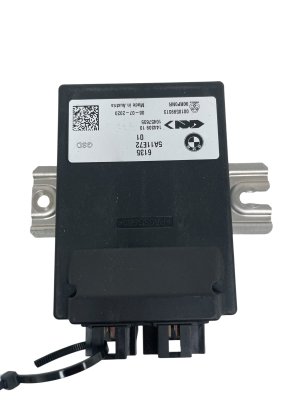
- Part Number Compatibility: The GR Supra is built on BMW's Z4 (G29) platform, so the parts carry BMW numbers. Match the part number on your original module exactly. Known compatible numbers include 37146894896, 37148835394, and 37148845508.
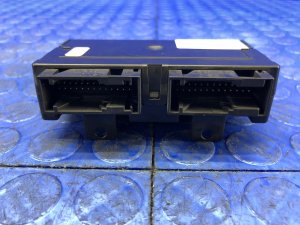
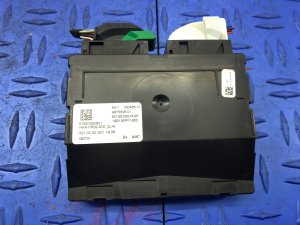
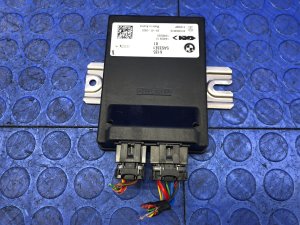
- What to Inspect: When buying a used module, check for any signs of physical damage, especially to the connector pins. Look for corrosion, bent pins, or cracks in the plastic housing. Purchase from a reputable seller who guarantees the part is functional.
- Why Used OEM is a Smart Choice: There are virtually no new aftermarket versions of this specific module. A used OEM part offers the same performance and reliability as a new one, often for less than 25% of the price. Given that the part itself rarely fails, a tested, recycled unit is a low-risk purchase.
Replacement Cost Breakdown
The total cost of replacement is a combination of the part itself and the specialized labor for installation and programming.
| Part or Service | Estimated Cost |
|---|---|
| New OEM Module (Dealer) | $1,200 - $1,500 |
| New Aftermarket Module | Not Available |
| Used OEM Module | $80 - $300 |
| Shop Labor (Physical Install) | $100 - $150 |
| Shop Labor (Programming) | $150 - $350 |
| Total Estimated Cost (Used OEM) | $330 - $800 |
| Total Estimated Cost (New OEM) | $1,450 - $2,000+ |
Frequently Asked Questions (FAQ)
Do I have to get the new suspension module programmed by the dealer?
Not necessarily, but you do need a shop with the right tools. A Toyota dealer can do it, as can an independent shop that specializes in BMW repair and has the ISTA diagnostic software. A general mechanic cannot program this module.
Can I drive my GR Supra with a bad suspension module?
Yes, driving is possible. The car will display a 'Chassis Malfunction' warning but will remain drivable. However, the suspension will be locked in its stiffest setting, making the ride very harsh, and the active safety systems that rely on suspension data may be compromised.
What's the difference between the Toyota (89423-WAA04) and BMW (37148845508) part numbers?
They are for the same physical part. The GR Supra was a joint project with BMW, and it uses many BMW components, including the entire adaptive suspension system. The module will have a BMW part number stamped on it. The Toyota number is for their cataloging system, but it refers to the same BMW-manufactured hardware.
My shop says I need a new module, but the only symptom is a warning light. What else could it be?
Insist on checking the ride height sensors and wheel speed sensors first. A 'Chassis Malfunction' light is often triggered by a broken plastic bracket on a ride height sensor or a faulty wheel speed sensor. These are much cheaper and easier to fix than replacing and reprogramming the entire control module. A full diagnostic scan should pinpoint which component is sending the error signal.
Technical Specifications
OEM Part Numbers: 37146894896 37148835394 37148845508 89423-WAA04 89423WAA04
Controls the Adaptive Variable Suspension (AVS) system, also known as BMW Vertical Dynamics Management (VDM). Requires programming via ISTA software.
We Have This Part in Stock

The information in this article is provided for general reference and educational purposes only. Vehicle specifications, procedures, and part compatibility can vary by production date, trim level, and region. Always consult your vehicle's factory service manual and verify part numbers before purchasing or performing repairs. Safety-critical components such as airbags, seat belts, and braking systems should be installed by a qualified professional.
- Toyota GR Supra: