

2021-2022 Veloster N Suspension Module: Failure Symptoms, Diagnosis & Programming
Diagnose a failing active suspension module in your Veloster N and understand the critical programming steps required after replacement.
- This module is ONLY for the Veloster 'N' model and is not compatible with other trims.
- A replacement module (new or used) MUST be programmed to the vehicle using dealer-level tools for 'Variant Coding'. It is not plug-and-play.
- Failure typically results in a 'Check Electronic Suspension' warning light and the suspension defaulting to a very stiff, harsh ride.
- When buying used, you must match the OEM part number exactly (e.g., 95610-K9500) and budget for professional programming costs.
Symptoms of a Failing Active Suspension Control Module
When the suspension control module fails, you will typically notice immediate and obvious signs. The vehicle's complex adaptive suspension loses its ability to make real-time adjustments, which can significantly impact ride quality and handling.
- "Check Electronic Suspension" Warning: The most common symptom is a warning message appearing on the instrument cluster display. This is often accompanied by a steady, illuminated ESC (Electronic Stability Control) indicator light.
- Suspension Stuck in One Mode: The suspension will likely default to its stiffest setting (Sport+). This is a fail-safe mode designed to maintain vehicle control. The ride will become noticeably harsh and uncomfortable, especially over bumps and imperfect roads.
- Inability to Change Suspension Modes: The drive mode selector may still appear to cycle through Normal, Sport, and N modes, but the actual suspension firmness will not change.
- Associated OBD-II Codes: A failure in this system will store diagnostic trouble codes (DTCs) that can be read with an OBD-II scanner. While generic code readers may only show a general fault, a more advanced scan tool can pinpoint specific issues. Look for codes in the 'C' (Chassis) or 'U' (Network) series. A common code when a module is replaced but not programmed is C1702 (Variant Coding Error). Communication codes like U0001 (CAN Bus Communication Fault) may also be present if the module stops communicating with the rest of the vehicle's network.
Known Issues, TSBs, and Recalls
As of mid-2026, there are no specific recalls or widespread Technical Service Bulletins (TSBs) from Hyundai directly addressing the Active Suspension Control Module for the 2021-2022 Veloster N. However, several safety recalls have been issued for the vehicle for other components:
- Fuel Pump Recall: A recall was issued for a fuel pump that could fail, leading to a loss of drive power.
- Transmission Oil Pump Recall: Certain models with the 8-speed dual-clutch transmission (DCT) were recalled because a malfunctioning transmission oil pump could cause a complete loss of power.
- Engine Recall: An earlier recall on some Veloster models (not specific to the 'N') involved improperly heat-treated piston rings that could lead to engine damage.
It is always recommended to check for open recalls using your vehicle's VIN on the NHTSA website.
Compatibility Warning: This module is exclusively for the Veloster 'N' trim. It is not compatible with other Veloster trims (Base, Premium, Turbo, etc.) as they are not equipped with the factory Electronically Controlled Suspension system.
Buying a Used Active Suspension Control Module
Due to the high cost of a new OEM module, a quality used unit is an excellent value. However, there are critical factors to consider when buying a recycled part.
The #1 Question: Does It Need Programming?
Yes, absolutely. This is not a plug-and-play part. A replacement module—whether new or used—must be programmed to your specific vehicle. This process is often called "Variant Coding." It involves using a dealer-level diagnostic tool, like the Hyundai GDS (Global Diagnostic System), to tell the module which features and options your car has. Without this step, the module will not function correctly and will trigger a warning light on the dash.
This means you must factor in a trip to a Hyundai dealership or a well-equipped independent shop that has a J-2534 pass-thru tool and an active Hyundai software subscription. An independent locksmith or a standard repair shop will likely not have the necessary equipment.
What to Look For:
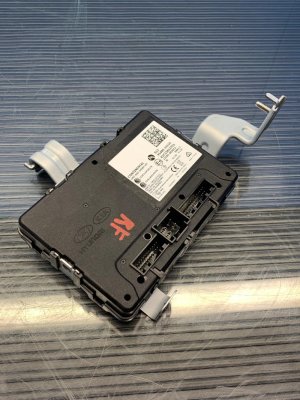
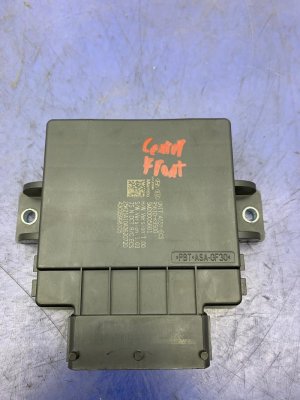
- Match Part Numbers: The most critical step is to match the part number on the replacement module to the one in your vehicle. Two primary part numbers are used for the Veloster N: 95610-K9500 and 95610-K9000. While some sellers indicate interchangeability, your safest bet is to find a module with the exact same number as your original.
- Physical Inspection: Inspect the used module for any signs of physical damage, such as a cracked case or broken mounting tabs. Pay close attention to the electrical connector pins—they should be straight, clean, and free of any corrosion.
- Source and Mileage: Purchase from a reputable seller that provides information about the donor vehicle. A module from a lower-mileage, collision-damaged vehicle is often a better choice than one from a high-mileage car with unknown history.
Cost Comparison
The cost for this part can vary significantly between new, used, and aftermarket options. Labor for programming is an additional cost to consider for new or used modules.
| Part Source | Estimated Cost |
|---|---|
| New OEM (Dealer) | $400 - $450 |
| Used OEM (Recycled) | $50 - $95 |
| New Aftermarket (Replacement) | Not Available |
| Shop Labor (Installation & Programming) | $150 - $375 |
Pro Tip: An aftermarket tuning module, the Mando ECS10, is available for around $440. Made by the OEM suspension supplier, this is not a repair part but an upgrade that unlocks more range in the suspension settings, controlled via a smartphone app. This is an option for enthusiasts looking for enhanced performance rather than a simple repair.
Replacement Overview
The Active Suspension Control Module is located on the driver's side, behind the lower dashboard panels. While mechanically simple, accessing it requires careful removal of interior trim.
- Disconnect the Battery: Before working on any electronic module, disconnect the negative terminal of the 12V battery.
- Access the Module: Remove the lower dashboard trim panels and knee bolster below the steering column to gain access to the module.
- Unplug and Unbolt: Carefully disconnect the electrical harness connector(s) from the module. Remove the bolts or nuts holding the module to its bracket.
- Install the New Module: Bolt the replacement module into place and securely reconnect the electrical connector(s).
- Reassemble and Program: Reinstall the dashboard trim panels. Reconnect the battery. The final, mandatory step is to have the vehicle programmed by a qualified technician.
Frequently Asked Questions (FAQ)
Do I have to get a used suspension module programmed at the dealer?
Most likely, yes. The module requires "Variant Coding" with Hyundai's GDS software. While some high-end independent shops may have this capability using a J-2534 device, a Hyundai dealership is the most reliable place to have this service performed correctly.
Where is the Active Suspension Control Module located on a 2021-2022 Veloster N?
It is located in the driver's side dashboard area, typically behind the lower trim panels near the steering column.
Can I still drive my Veloster N with a bad suspension module?
Yes, but with limitations. The vehicle is drivable, but the suspension will likely be stuck in its stiffest setting. This will result in a very harsh ride and may alter the car's handling characteristics in emergency maneuvers. It is recommended to have it repaired promptly for both comfort and safety.
Will a module from a 2019 Veloster N work in my 2022 model?
It might, but it's risky. The part numbers 95610-K9000 (common on 2019-2020 models) and 95610-K9500 (common on 2021-2022 models) are both associated with the Veloster N. To ensure compatibility and avoid issues with programming, it is strongly recommended to match the part number from your original module exactly.
Technical Specifications
OEM Part Numbers: 95610-K9500 95610K9500 95610-K9000 95610K9000
Controls the Electronically Controlled Suspension (ECS) system. Located in the driver's side dashboard area.
We Have This Part in Stock



The information in this article is provided for general reference and educational purposes only. Vehicle specifications, procedures, and part compatibility can vary by production date, trim level, and region. Always consult your vehicle's factory service manual and verify part numbers before purchasing or performing repairs. Safety-critical components such as airbags, seat belts, and braking systems should be installed by a qualified professional.
- Hyundai Veloster: