

2018-2021 Expedition & Navigator Suspension Module: Fixing 'Drive Control Malfunction'
This guide covers the diagnosis, replacement, and mandatory programming for the active suspension control module in your 2018-2021 Ford Expedition or Lincoln Navigator.
- Programming is mandatory. A replacement module, new or used, will not work until it is programmed to your vehicle's VIN using a dealer-level scan tool.
- Check shocks and wiring first. The 'Drive Control Malfunction' warning is often caused by leaking electronic shocks or corroded connectors on the shocks, not the module itself.
- The module is located inside the vehicle, behind the driver's side kick panel, protecting it from weather.
- A used OEM module is a cost-effective option, but you must budget for the required programming service from a dealer or qualified shop.
Symptoms of a Failing Active Suspension Control Module


When the suspension control module fails, it can cause a range of issues, from clear warning messages to noticeable changes in how your vehicle drives. Often, the symptoms may point to other parts of the suspension, making proper diagnosis crucial.
- "Drive Control Malfunction" or "Service Suspension" Warning: This is the most common indicator of a problem within the adaptive suspension system. The vehicle's main computer has detected a fault and will store one or more Diagnostic Trouble Codes (DTCs).
- Harsh or Bouncy Ride: With the module offline, the electronic shocks default to a fixed setting, which can make the ride feel unusually stiff, harsh, or excessively bouncy over bumps.
- Loss of Drive Mode Functions: You may notice that switching between drive modes (Normal, Sport, Comfort, etc.) no longer changes the firmness of the suspension.
- Diagnostic Trouble Codes (DTCs): A professional scan tool may reveal specific codes related to the module. Common codes include U0421 (Invalid Data Received From Suspension Control Module) and C102E (Suspension Control Module A General Electrical Failure), which point to a communication or internal module fault.
Pro Tip: Before you replace the module, inspect the shocks and wiring first! Many owners of the 2018-2021 Ford Expedition and Lincoln Navigator report premature failure of the CCD shocks themselves, which leak fluid. Also, the electrical connectors on top of each shock absorber are exposed to the elements and can become corroded or loose, triggering a "Drive Control Malfunction" warning. Checking these common failure points first can save you from buying a module you don't need.
Known Issues, TSBs, and Recalls

While the module itself is fairly reliable, the surrounding suspension system on the 2018-2021 Ford Expedition and Lincoln Navigator has some known issues.
- TSB for Leaking Shocks (SSM 47624 / 47506): Ford issued technical service bulletins for 2017-2018 models that experience a "noisy, soft, spongy and/or bouncy ride" due to leaking shock absorbers. This issue is widely reported by owners of later models as well.
- Recall for Rear Toe Link (19S36): A recall was issued for some 2019 Expedition and Navigator vehicles because the rear suspension toe link fasteners may not have been properly tightened. A loose toe link can cause a sudden change in handling and increase the risk of a crash. You can check if your vehicle is affected by entering your VIN on the NHTSA website.
Diagnosis and Replacement

Location
The Active Suspension Control Module is located inside the cabin on the driver's side, behind the kick panel to the left of the pedals. This placement protects it from the elements but requires removing some interior trim for access.
CRITICAL: Programming is Required After Installation
You cannot simply swap this module and expect it to work. A replacement module—whether new or used—must be programmed to your vehicle's specific VIN and configuration. This process is called Programmable Module Installation (PMI).
- How it Works: A technician uses a diagnostic tool (like the dealer's IDS/FDRS or an advanced tool like FORScan) to copy the configuration data from your old module and transfer it to the new one.
- If the Old Module is Dead: If the original module is completely non-functional and its data cannot be read, the technician must download "As-Built" data from Ford's servers. This data is specific to your vehicle's VIN and restores the factory settings to the new module.
- Who Can Do It: This can be performed by a Ford/Lincoln dealer, a qualified independent shop with the right equipment, or an advanced DIYer using software like FORScan. Do not purchase a replacement module without having a plan for programming.
Buying a Used Active Suspension Control Module
Opting for a used OEM module can offer significant savings, but it's essential to buy smart. Given that programming is required, a used module is not a simple plug-and-play solution.
- Verify the Part Number: Match the part number on your original module exactly. The service part number often changes, but the engineering number printed on the unit (e.g., JL14-18B008-AL) should be your primary reference. The current OEM service part is JL1Z-18B008-C, which supersedes older versions.
- Inspect for Damage: Check the used module for any signs of physical damage, especially to the connector pins. Ensure there is no evidence of water intrusion or corrosion.
- Factor in Programming Costs: Remember that the money you save on the part will be partially offset by the cost of programming. Call local dealers or independent Ford specialists to get a quote for a "Programmable Module Installation" service before you buy the part.
- Why Used OEM is a Good Choice: For a complex electronic part like this, a used OEM module is often a better choice than a non-existent or unproven aftermarket alternative. The original Ford software and hardware are designed to integrate perfectly with your vehicle's other systems, provided the module is programmed correctly.
Cost Comparison
The cost of replacing the suspension control module can vary significantly based on the part source and labor rates.
| Part/Service | Estimated Cost | Notes |
|---|---|---|
| New OEM Module | $140 - $295 | Price from online Ford dealers. Retail price at a local dealership may be higher. |
| Used OEM Module | $35 - $100 | Commonly available from online sellers and salvage yards. |
| New Aftermarket / Remanufactured | Not Available | There are no known direct aftermarket or remanufactured replacements for this module. |
| Shop Labor (Replacement) | $70 - $120 | Estimated 0.5-1.0 hours to access and swap the module. |
| Shop Labor (Programming) | $100 - $250 | This is a separate, mandatory step. Cost can vary widely by shop. |
Frequently Asked Questions (FAQ)
Does a replacement suspension control module need to be programmed?
Yes, absolutely. A new or used module must be programmed to your vehicle using a process called Programmable Module Installation (PMI). Without this step, the module will not function correctly. This requires a dealer-level scan tool or advanced software like FORScan.
Can I drive my Expedition or Navigator with a bad suspension module?
Yes, but with limitations. The vehicle is safe to drive, but the adaptive damping will be disabled, resulting in a stiff or bouncy ride. The handling characteristics will be compromised, so you should drive more cautiously, especially at high speeds or on rough roads, until it is repaired.
What's the difference between the CCD suspension and older air suspension?
The 2018-2021 Expedition and Navigator use a Continuously Controlled Damping (CCD) system, which features conventional coil springs and shock absorbers that are filled with fluid and controlled electronically. Older models and some other vehicles use air suspension, which replaces the coil springs with rubber air bags to support the vehicle's weight and adjust its height. While both are 'active' systems, their components and failure modes are different.
Is the "Drive Control Malfunction" warning always the module?
No. In many cases, this warning is triggered by a leaking electronic shock absorber or a bad electrical connection at the top of one of the shocks. It is highly recommended to have the system scanned for codes and to visually inspect the shocks and their wiring before replacing the control module.
Technical Specifications
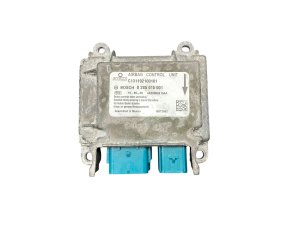
OEM Part Numbers: FL14-18B008-AL JL14-18B008-AJ JL14-18B008-AK JL14-18B008-AL JL14-18B008-AN JL1Z-18B008-C JL1Z18B008B JL1Z-18B008-A
Controls the Continuously Controlled Damping (CCD) / Adaptive Suspension system. Requires Programmable Module Installation (PMI) upon replacement.
We Have This Part in Stock



The information in this article is provided for general reference and educational purposes only. Vehicle specifications, procedures, and part compatibility can vary by production date, trim level, and region. Always consult your vehicle's factory service manual and verify part numbers before purchasing or performing repairs. Safety-critical components such as airbags, seat belts, and braking systems should be installed by a qualified professional.
- Ford Expedition:
- Lincoln Navigator: