

2010 Cadillac SRX Suspension Module: Fixing 'Service Suspension' & Programming Guide
Your complete guide to diagnosing, replacing, and programming the active suspension control module in the 2010 Cadillac SRX.
- This module is NOT plug-and-play. It requires professional programming with GM-specific software (SPS) after installation.
- Before blaming the module for handling issues, check if your vehicle has had the rear suspension toe link recall (NHTSA 21V473000) performed.
- Common symptoms of failure are a "Service Suspension System" message and a noticeably harsh or bouncy ride.
- The most definitive fault codes for a bad module are C0690, C0691, and C0693, which indicate an internal failure.
Symptoms of a Failing Active Suspension Control Module

When the suspension control module begins to fail, it can cause a range of noticeable issues. Because it is the central computer for the system, its failure can sometimes mimic the failure of other suspension components.
- "Service Suspension System" Message: This is the most common and direct indicator. A warning message will appear on the driver information center (DIC).
- Poor Ride Quality: The vehicle may feel unusually bouncy, harsh, or stiff as the system defaults to a fixed, non-adjustable state. In some cases, the system defaults to maximum stiffness, making the ride very uncomfortable.
- Uneven Ride Height: If the module fails to communicate correctly, the vehicle may sag or sit unevenly, though this is more common with air suspension systems.
- Vehicle Speed Limited Message: In cases of a severe internal fault, the module may send a message to the powertrain control module (PCM) to limit the vehicle's top speed for safety reasons.
- Abnormal Noises: While less common for the module itself, failure can lead to the suspension components making noise because they are not being controlled correctly.
Common Diagnostic Trouble Codes (DTCs)
A professional scan tool that can read Body (B) and Chassis (C) codes is required for proper diagnosis. Common codes associated with this module include:
- C0690, C0691, C0693: These codes point directly to an internal hardware fault within the Electronic Suspension Control (ESC) module itself, such as a failed damper control relay. If you have one of these codes, the module needs to be replaced.
- C0575, C0580, C0585, C0590: These codes indicate a fault in the circuit for a specific shock absorber actuator (left front, right front, left rear, right rear). While this could be a bad shock or wiring, it can also be caused by the module's inability to send the correct signal.
Important: A persistent "Service Suspension System" message requires diagnosis with a proper scan tool. Do not simply replace parts without confirming the specific fault codes.
Known Issues: Is It Your Module or the Rear Toe Links?

Before replacing the suspension control module, it is critical to be aware of a major safety recall affecting the 2010 Cadillac SRX.
Safety Recall N212340980 (NHTSA 21V473000)
General Motors issued a recall for loose rear suspension toe links on 2010-2016 SRX models. These adjustable links could loosen over time, causing the rear wheels to be improperly aligned. This can lead to:
- A feeling of swaying or wandering at highway speeds.
- Warning lights such as "Service Stabilitrak," "Service Traction Control," or "Service Rear Axle."
- An off-center steering wheel and unusual noises from the rear suspension.
Because these symptoms, especially the warning lights and handling problems, can be mistaken for a suspension control module failure, you should always check if this recall work has been completed on your vehicle first. You can check your VIN on the NHTSA or GM recall websites. The fix involves a dealer replacing the adjustable toe links with non-adjustable ones at no cost to you.
Programming and Calibration: NOT Plug-and-Play

Warning: A new or used Active Suspension Control Module will NOT work correctly after installation without being programmed to your specific vehicle. This is the most critical step of the replacement process.
This module must be programmed using General Motors' Service Programming System (SPS). This process loads the correct software and calibration files for your vehicle's specific VIN and options. It also syncs the module with the vehicle's security and other computer systems.
- Who can program it? A GM dealership or an independent repair shop with a subscription to GM's software (ACDelco TDS) and a J2534 pass-thru device can perform the programming.
- Can a locksmith program it? Most locksmiths focus on key and immobilizer programming and may not have the specific software needed for a suspension module.
- Is this a DIY job? The physical replacement may be possible for a skilled DIY mechanic, but the programming is not. You must plan for a trip to a qualified shop after installing the part.
Buying a Used Active Suspension Control Module
Given that new OEM modules can be difficult to find, a used OEM part is often the most practical solution. Here's what you need to know:
- Match the Part Number: It is essential to match the OEM part number exactly. For the 2010 Cadillac SRX, the primary part number is 20923435. Do not install a module with a different part number, even if it looks identical.
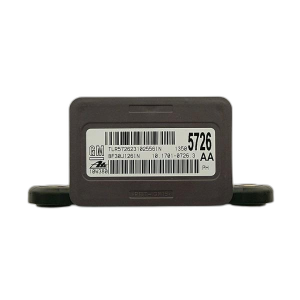
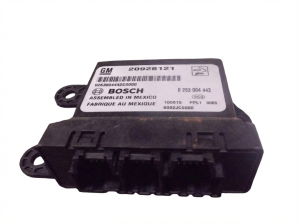
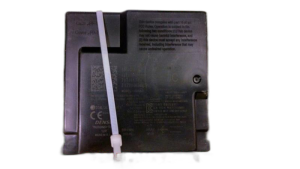
- Physical Inspection: Before purchasing, inspect the photos of the used module. Look for any signs of corrosion on the housing or pins of the electrical connectors. Water damage is a common cause of failure for electronic modules.
- Factor in Programming Costs: Remember that the price of the used module is only part of the total cost. You must budget for 1-2 hours of shop labor for a professional to program the module to your vehicle.
- Why Used OEM is a Good Choice: A used OEM module that has been properly programmed is often more reliable than a new aftermarket part, if one were available. The original GM engineering and quality control are built-in.
Module Location
The exact location of the Active Suspension Control Module on the 2010 SRX is not consistently documented in public sources. Based on similar GM vehicles, it is most likely located inside the cabin to protect it from the elements. Check in the rear cargo area, behind one of the side trim panels. The liftgate control module, for example, is located in this area and requires removing the cargo floor and side trim to access. It may also be located under the rear seat.
Cost of Replacement
The total cost can vary significantly based on whether you do the physical installation yourself and the labor rates in your area.
| Part or Service | Estimated Cost | Notes |
|---|---|---|
| New OEM Module | N/A | This part is likely discontinued and no longer available new from GM. |
| New Aftermarket Module | N/A | Aftermarket options for this specific module are not commonly available. |
| Used OEM Module | $75 - $125 | Based on prices from online sellers. |
| Shop Labor (Installation) | $95 - $145 | Estimated 1 hour of labor for physical replacement. |
| Shop Labor (Programming) | $150 - $300 | Includes the GM software subscription fee (approx. $51 per VIN) and 1-1.5 hours of diagnostic/programming time. |
| Total Estimated Cost (Used Part + Professional Install/Program) | $320 - $570 | This is the most realistic all-in cost for a complete and correct repair. |
Frequently Asked Questions (FAQ)
Does a used 2010 SRX suspension module need to be programmed?
Yes, absolutely. Any time this module is replaced, whether with a new or used part, it must be programmed to the vehicle's VIN using GM-specific software. It will not function correctly without this step.
My SRX is handling poorly. How do I know if it's the module or the toe link recall?
First, check if the toe link recall (NHTSA 21V473000) has been performed on your vehicle. Symptoms of the recall include a wandering or swaying feeling and "Service Stabilitrak" warnings. A bad module typically causes a harsh, bouncy ride and a "Service Suspension System" message. A diagnostic scan to read the specific trouble codes is the only way to be certain.
Can I drive my 2010 SRX with a bad suspension control module?
You can, but it is not recommended for extended periods. The suspension will default to a safe but very stiff mode, making the ride uncomfortable and compromising handling during emergency maneuvers. If the module is triggering a speed limitation, the vehicle should be serviced immediately.
What does the "Service Suspension System" message mean on my Cadillac SRX?
This message indicates that the vehicle's onboard computer has detected a fault within the active suspension system. This could be the control module, a ride height sensor, a shock absorber actuator, or the wiring in between. A professional diagnosis is needed to pinpoint the exact cause.
Technical Specifications
OEM Part Numbers: 20923435
Controls the real-time damping system by sending pulse-width modulated (PWM) signals to the shock absorber actuators.
We Have This Part in Stock




The information in this article is provided for general reference and educational purposes only. Vehicle specifications, procedures, and part compatibility can vary by production date, trim level, and region. Always consult your vehicle's factory service manual and verify part numbers before purchasing or performing repairs. Safety-critical components such as airbags, seat belts, and braking systems should be installed by a qualified professional.
- Cadillac SRX:
- 🛍️ Shop This Part
- Symptoms of a Failing Active Suspension Control Module
- Common Diagnostic Trouble Codes (DTCs)
- Known Issues: Is It Your Module or the Rear Toe Links?
- Safety Recall N212340980 (NHTSA 21V473000)
- Programming and Calibration: NOT Plug-and-Play
- Buying a Used Active Suspension Control Module
- Module Location
- Cost of Replacement
- Frequently Asked Questions (FAQ)
- 🎟️ Get 5% Off