

2018-2019 Buick LaCrosse ANC Module: Fixing Buzzing Noises & Programming Issues
This guide covers the common causes of failure for the Active Noise Cancellation module, including water damage, and explains the critical programming required after replacement.
- A replacement module MUST be programmed to your vehicle's VIN to function; this is not an optional step.
- Failure is often caused by condensation from the HVAC system dripping onto the module; a protective shield should be installed with the replacement.
- The most common symptom of failure is a loud humming, buzzing, or droning noise from the speakers, even with the radio off.
- Programming can be done by a dealer, a properly equipped independent shop, or through a mail-in service that prepares a used module for plug-and-play installation.
Known Issues: Water Damage from HVAC System
A significant known issue for GM vehicles is the failure of the Active Noise Cancellation (ANC) module due to water intrusion. A General Motors Technical Service Bulletin (TSB) indicates that condensation from the vehicle's HVAC (heating, ventilation, and air conditioning) system can drip directly onto the ANC module. The module is located behind the center console, putting it in the path of this condensation. Over time, this moisture enters the module through its vents, causing corrosion and short-circuiting the internal electronics.
Warning: If you are replacing a failed module, it is critical to address the root cause. GM's repair procedure for this issue includes installing a secondary shield to protect the new module from future water damage. Without this shield, your replacement part is likely to fail for the same reason.
Symptoms of a Failing ANC Module
When the ANC module begins to fail, it can create a variety of strange and annoying audio problems. Because the module is tied directly into your car's sound system, its failure often mimics a stereo or speaker issue.
- Unwanted Speaker Noises: The most common symptom is a loud, low-frequency humming, buzzing, droning, or thumping sound coming from the speakers. This noise can be constant or intermittent and may change with engine RPM. Crucially, these sounds can occur even when the radio is turned completely off.
- Increased Cabin Noise: A less dramatic symptom is that the system simply stops working. You may notice a general increase in road and engine noise inside the cabin, making the car sound louder than it used to.
- Aftermarket Subwoofer Problems: If you have installed an aftermarket subwoofer, a failing (or even a functioning) ANC module can cause major issues. The module's microphones may interpret the subwoofer's bass as engine noise and try to cancel it, creating a feedback loop of bizarre, oscillating bass tones.
- Diagnostic Trouble Codes (DTCs): A scan tool may reveal specific codes related to the ANC system. Common codes include B1325 (Device Power Circuit Voltage Below Threshold), B116A-01, and B117A-01 (Microphone Circuit faults).
Programming: The #1 Thing to Know Before You Buy
A replacement Active Noise Cancellation module—whether new or used—will not work until it is programmed to your vehicle's specific Vehicle Identification Number (VIN). This is not an optional step. Installing the module without programming it will result in it not functioning, and the original symptoms may persist.
You have three main options for programming:
- GM Dealership: A dealer can install and program the module using their standard diagnostic tools (Techline Connect). This is the most straightforward but often most expensive option.
- Independent Repair Shop: Many independent shops that specialize in automotive electronics have the necessary J2534 pass-thru tools and a subscription to GM's Service Programming System (SPS). They can perform the same programming as a dealer, often at a lower cost.
- Mail-In Programming Service: Several companies allow you to ship them a used module you've purchased. You provide your car's VIN, and they will program the module on their bench. They then ship it back to you, ready for a plug-and-play installation. This is an excellent option for DIYers who can physically swap the part but don't have the expensive programming tools.
Buying a Used Active Noise Cancellation Module
Purchasing a used OEM module is a great way to save money, as long as you know what to look for. Given the electronic complexity, a used original part is often more reliable than a cheap new aftermarket alternative.
- Match Part Numbers Exactly: It is critical to match the OEM part number from your original module to the used one you are buying. Part numbers like 85143325 and 26694832 are common for this vehicle, but you must verify the number on your specific part.
- Inspect for Damage: Ask the seller for clear photos. Look for any signs of corrosion on the aluminum case or pins in the electrical connectors. Any white, chalky residue or green discoloration is a red flag for water damage.
- Factor in Programming Costs: Remember that the price of the used part is not your final cost. You must add the cost of programming, whether it's from a local shop or a mail-in service.
- Check Seller Reputation: Buy from reputable sellers with a good warranty and return policy. This gives you protection in case you receive a defective part.
Pro Tip: Before buying a replacement, you can diagnose the issue by simply unplugging the old module. The unwanted noises should stop. While the cabin will be louder due to the lack of noise cancellation, this confirms the module is the source of the problem.
Cost Breakdown
The cost to fix a faulty ANC module can vary significantly based on the parts and labor source.
| Item | Estimated Cost |
|---|---|
| New OEM Module | $190 - $350 |
| Used OEM Module | $50 - $150 |
| Shop Labor (Replacement & Programming) | $200 - $400 |
| Mail-in Programming Service | $50 - $100 |
Replacement Location
The Active Noise Cancellation module in the 2018-2019 Buick LaCrosse is located behind the center console, toward the front of the vehicle, under the dashboard area. Access typically requires removing one or both of the side trim panels of the center console in the driver or passenger footwell.
Frequently Asked Questions (FAQ)
Does a used ANC module need to be programmed?
Yes, absolutely. Every replacement ANC module, whether it is brand new or used, must be programmed with your car's VIN to function correctly. There is no way around this step.
Can I just unplug my ANC module to stop the buzzing noise?
Yes. Unplugging the module is a common diagnostic step and a temporary fix to stop the noise. However, doing so will permanently disable the noise-canceling feature, making your car's interior noticeably louder. It will not cause any safety or drivability issues, but it may store a fault code in the system.
Can I program a new module myself?
Programming is generally not a DIY-friendly task unless you are an advanced user with the proper equipment. It requires a J2534 pass-thru device and an active subscription to GM's software, which can be very expensive. For most people, using a dealer, a qualified independent shop, or a mail-in service is the most practical solution.
Why is my aftermarket subwoofer making a weird noise?
The ANC system is likely the cause. Its microphones hear the bass from your subwoofer and identify it as unwanted noise to be canceled. This creates a feedback loop. The solution is to bypass or disable the ANC system, often by using a specific wiring harness or by unplugging the module entirely.
Technical Specifications
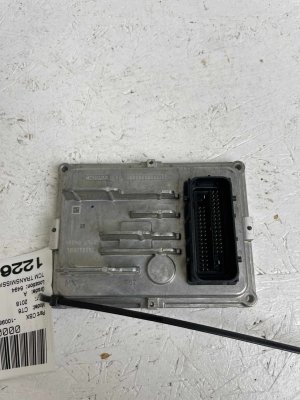
OEM Part Numbers: 26694832 26213292 85143325 26233564
The module is located behind the center console, towards the front of the vehicle. It connects via multiple female connectors and requires VIN-specific programming to operate.
We Have This Part in Stock



The information in this article is provided for general reference and educational purposes only. Vehicle specifications, procedures, and part compatibility can vary by production date, trim level, and region. Always consult your vehicle's factory service manual and verify part numbers before purchasing or performing repairs. Safety-critical components such as airbags, seat belts, and braking systems should be installed by a qualified professional.
- Buick LaCrosse: