

Tesla Model 3 & Y Wiring Harness Guide: Trunk Camera, Seat, and Charging Failures
This guide covers the most common wiring harness failures for the 2017-2026 Tesla Model 3 and 2020-2026 Tesla Model Y, from the well-known trunk recall to seat and charging problems.
- The most common failure is the trunk harness on 2017-2020 Model 3s, causing rearview camera failure. This is covered by NHTSA recall 21V-00D.
- Part number compatibility is critical. Harnesses vary based on vehicle options like seat features (heated/cooled), drivetrain (RWD/AWD), and model year.
- When buying a used harness, meticulously inspect all connectors for damage and ensure the wiring has no cuts, abrasions, or signs of improper repair.
- NEVER attempt to repair or replace high-voltage (orange) harnesses yourself. This is extremely dangerous and requires a qualified professional.
Understanding Wiring Harness Issues in Your Tesla

Wiring problems can be frustrating because their symptoms often seem random or unrelated. A single broken wire inside a larger harness can cause a component to stop working, function intermittently, or trigger confusing error messages on the main display. This guide focuses on the most common, real-world wiring harness failures reported by owners of the Tesla Model 3 and Tesla Model Y.
Warning: High Voltage (HV) wiring harnesses are always covered in a bright orange sheathing. Due to the extreme danger of electric shock, you should NEVER attempt to inspect, repair, or replace an HV harness yourself. This work must be left to trained and qualified technicians.
1. Trunk Lid Harness Failure & Rearview Camera (2017-2020 Model 3)

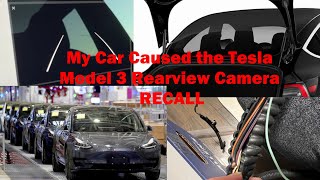
The single most common wiring issue is the failure of the trunk lid harness, specifically affecting the rearview camera on 2017-2020 Tesla Model 3 vehicles.
Symptoms:
- The rearview camera feed is black, flickering, or intermittent when the car is in reverse.
- The trunk may fail to open electronically using the touchscreen, app, or external button.
Cause and Resolution:
The coaxial cable for the camera is routed within the main trunk harness. The repeated stress of opening and closing the trunk lid causes this cable to bend and flex, eventually leading to fatigue and breakage of the internal wire core. This prevents the camera signal from reaching the center display.
This problem was so widespread that it led to NHTSA Recall 21V-00D. Under this recall, Tesla Service will inspect the harness. Depending on the level of wear, they will either install a guide protector to prevent further stress or replace the entire trunk harness free of charge. Even if your vehicle is outside of its basic warranty, this specific repair should be covered under the recall. Contact a Tesla service center with your VIN to verify coverage.
2. Seat Wiring Harness Failures (Model 3 & Y)

Problems with seat-related functions are often traced back to the wiring harness beneath the seat. These harnesses control features like power adjustments, heating, ventilation, occupancy sensors (for airbags and seatbelt reminders), and the electronic seat-back release.
Symptoms:
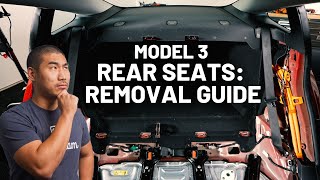
- The electronic seat-back release button on the shoulder of the rear seat stops working. 🎬 See how to remove the rear seats
- Power seat adjustments become inoperative or intermittent.
- Seat heating or ventilation fails to turn on.
- An SRS or airbag warning light appears on the display, which can be caused by a faulty occupancy sensor connection.
Cause and Resolution:
A common cause for rear seat release failure is a broken wire within the harness, sometimes at a factory solder point that fails from vibration or flexing over time. For front seats, wires can sometimes be stressed or damaged by items stored under the seat or by the seat's movement. In most cases, the solution is to replace the specific seat harness. Tesla service documents explicitly state that repairs should not be performed on any part of a harness that moves, which includes seat harnesses.
Compatibility Warning: Seat harnesses are NOT interchangeable. A harness for a basic, manual seat will not work in a vehicle with premium heated, ventilated, and power-adjustable seats. You must match the part number from your original harness or ensure the donor vehicle has the exact same seat features.
3. Charge Port & High Voltage (HV) Harness Issues

While less common than the trunk issue, problems with the charge port or the associated high-voltage harnesses are more critical, as they can prevent you from charging your vehicle.
Symptoms:
- A red or amber light appears on the charge port, indicating a fault.
- The vehicle displays a "Charging not possible" or "Check charging port" error message.
- Charging fails to start or stops unexpectedly.
- The charging cable will not lock securely into the port.
Cause and Resolution:
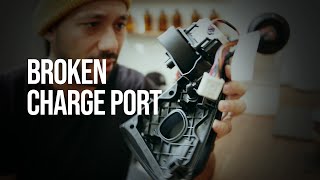
These issues can stem from a faulty charge port latch, corrosion in the connector, or a break in one of the high-voltage or communication wires in the harness. Specific part numbers associated with this system include 1507801-00-C (HV Busbar Cable) and 1494364-00-A (Charger Port Actuator Cable). Diagnosis and repair of this system should be left to professionals due to the high voltages involved. According to Tesla's own guidelines, high-voltage circuits are not repairable; the entire harness must be replaced if damaged.
Buying a Used Accessory Wiring Harness
Buying a used OEM harness can be a cost-effective solution, but careful inspection is critical. Cheap aftermarket harnesses often use lower-quality wire and connectors that can cause problems down the road.
- Identify the Correct Harness: First, be absolutely sure which harness you need. Is it for the trunk lid, the driver's seat, or the charge port? They are all different parts.
- Verify the Part Number: The single best way to ensure compatibility is to match the part number printed on your original harness to the used one. Part numbers vary based on model year, drive configuration (RWD/AWD), and optional features (premium audio, seat type, etc.).
- Inspect All Connectors: This is the most important step. Carefully check every single plastic connector plug. Look for broken or cracked locking tabs, bent or corroded pins, and any signs of melting or heat damage. A single damaged connector can make the entire harness useless.
- Check for Previous Repairs: Scan the entire length of the harness for signs of unprofessional repairs. Red flags include black electrical tape, wires spliced together without being offset, and the use of cheap crimp connectors. Factory repairs are done to a very high standard; anything less can introduce faults.
- Look for Physical Damage: Check the wires for any cuts, abrasions, or sections that look crushed or brittle. Pay special attention to areas where the harness passes through the body or flexes.
Pro Tip: When buying a used seat harness, take a photo of the connector on your original seat and compare it directly to the photos of the part for sale. Count the pins and note the connector's shape and color to ensure an exact match.
Cost Comparison
Prices vary significantly depending on which harness is being replaced. A simple seat harness is much less expensive than a main body or high-voltage harness.
| Part | New OEM (Estimated) | Used OEM (Estimated) | Shop Labor (Estimated) |
|---|---|---|---|
| Trunk Lid Harness (Model 3) | $100 - $200 | $50 - $100 | $150 - $300 |
| Seat Harness (Front or Rear) | $150 - $250 | $75 - $150 | $200 - $400 |
| HV Charge Port Harness | $400 - $600 | $200 - $350 | $500 - $800+ (Professional Only) |
Frequently Asked Questions (FAQ)
Why did my 2019 Model 3's backup camera stop working?
This is the classic symptom of the trunk wiring harness failure, which was the subject of NHTSA recall 21V-00D. The repeated motion of opening and closing the trunk wears out the camera's coaxial cable. Contact a Tesla service center with your VIN to see if your vehicle is covered for a free repair.
Can I replace a wiring harness myself?
It depends. A low-voltage harness, like for the trunk lid or a seat, is often a feasible DIY job for someone with mechanical experience, typically taking 1-3 hours. However, a main dashboard or body harness is an expert-level job requiring 10+ hours and complete interior disassembly. Never attempt to replace an orange high-voltage (HV) harness yourself.
My mechanic says the harness can be repaired. Is that okay?
Tesla's official service guidelines state that wires in areas that move (like trunks, doors, and seats) and all high-voltage (orange) wires should not be repaired—the harness must be replaced. While a skilled technician can sometimes repair a simple break in a static, low-voltage wire, a full harness replacement is almost always the more reliable and safer long-term solution.
Will a harness from a Model Y fit my Model 3?
Sometimes, but you must verify the part number. While the Model 3 and Model Y share a platform and many parts, there are differences. For example, the trunk harness is completely different due to the distinct trunk and hatchback designs. Always use the specific part number for your vehicle's model, year, and configuration to guarantee compatibility.
Helpful Videos
Technical Specifications
OEM Part Numbers: 1068789-00-G 1109001-00-F 110900100G 1109002-00-G 1109003-00-F 1494364-00-A 1507801-00-C 1507971-00-A
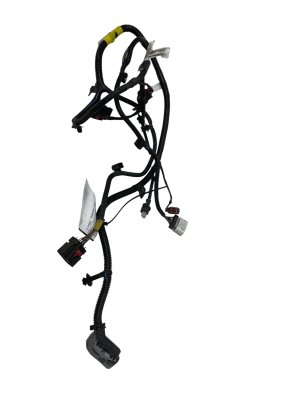
Harnesses are vehicle-specific. High-Voltage (HV) harnesses are distinguished by their bright orange sheathing.
We Have This Part in Stock




The information in this article is provided for general reference and educational purposes only. Vehicle specifications, procedures, and part compatibility can vary by production date, trim level, and region. Always consult your vehicle's factory service manual and verify part numbers before purchasing or performing repairs. Safety-critical components such as airbags, seat belts, and braking systems should be installed by a qualified professional.
- Tesla 3:
- Tesla Y:
- 🎬 Helpful Videos
- 🛍️ Shop This Part
- Understanding Wiring Harness Issues in Your Tesla
- 1. Trunk Lid Harness Failure & Rearview Camera (2017-2020 Model 3)
- Symptoms:
- Cause and Resolution:
- 2. Seat Wiring Harness Failures (Model 3 & Y)
- Symptoms:
- Cause and Resolution:
- 3. Charge Port & High Voltage (HV) Harness Issues
- Symptoms:
- Cause and Resolution:
- Buying a Used Accessory Wiring Harness
- Cost Comparison
- Frequently Asked Questions (FAQ)
- 🎟️ Get 5% Off