

2024 Lexus TX500h VSC Light: Accelerometer Diagnosis and Zero Point Calibration
This guide explains the common causes for VSC, ABS, and TRAC warning lights and why replacing the accelerometer sensor (89191-22020) requires a critical calibration step.
- Replacing the accelerometer (part 89191-22020) is not a simple plug-and-play repair.
- A "Zero Point Calibration" using a compatible scan tool is mandatory after installation to turn off the VSC/ABS lights.
- The most common trouble code, C1336, specifically means the Zero Point Calibration has not been performed.
- Driving with a faulty accelerometer disables key safety systems like stability control and ABS, increasing risk in emergency situations.
Symptoms of a Failing Accelerometer
When the accelerometer fails or its calibration is lost, the vehicle's main computer can no longer trust the data it's receiving. This forces the computer to disable the related safety systems as a precaution, leading to several clear symptoms.
1. Dashboard Warning Lights
The most common sign of a problem is the illumination of multiple safety system lights on your instrument panel. You will typically see the VSC, ABS, and/or TRAC warning lights turn on and stay on. A "Check VSC System" message may also appear on the multi-information display.
2. Unstable Handling (in certain conditions)
With the VSC system disabled, you will not have the electronic safety net to assist you in an emergency maneuver or on a slippery surface. The vehicle may feel less stable, "wobbly," or tend to understeer or oversteer more easily when cornering aggressively. During normal driving, you are unlikely to notice a difference, but the added safety margin is gone.
3. Associated OBD-II Trouble Codes
A professional scan tool can read specific codes from the ABS/VSC module. These codes are essential for an accurate diagnosis.
| Code | Definition | Common Cause |
|---|---|---|
| C1336 | Zero Point Calibration of Acceleration Sensor Undone | This is the most common code. It means the sensor has been replaced, disconnected, or disturbed, and the system needs to be recalibrated. |
| C1234 | Malfunction in Yaw Rate Sensor | This can indicate an internal failure of the sensor itself. However, it can also be triggered by lost calibration, so performing a Zero Point Calibration is often the first diagnostic step. |
| U0123 / U0124 | Lost Communication With Yaw Rate / Acceleration Sensor Module | This points to a wiring problem, such as a loose connector, damaged wire, or a power/ground issue to the sensor. |
Warning: Driving with these warning lights on means your primary electronic stability and anti-lock braking safety features are disabled. The wheels can lock up during a panic stop, and the vehicle will not automatically correct for a skid. Drive with increased caution, especially in wet or slippery conditions.
The Critical Step: Zero Point Calibration
Simply installing a new or used accelerometer is not enough to fix the problem. After the part is installed, you must perform a "Zero Point Calibration." This procedure teaches the VSC system the new sensor's baseline reading for when the vehicle is stopped on a perfectly flat surface. Without this calibration, the system doesn't know what "zero" is and will set code C1336, keeping the warning lights on.
How to Perform Zero Point Calibration:
This procedure requires a capable diagnostic scan tool and must be done correctly to work.
- Park the vehicle on a perfectly level surface. The vehicle's incline must be less than 1 degree.
- Ensure the steering wheel is pointed straight ahead and the gear selector is in Park. Do not move, shake, or vibrate the vehicle during the process.
- Connect a compatible diagnostic tool (like Toyota's Techstream software or a high-end professional scanner) to the OBD-II port.
- Navigate to the 'ABS/VSC/TRAC' system menu.
- Select the 'Utility' or 'Special Functions' option.
- First, select 'Reset Memory' to clear any old calibration data. Then, select 'Test Mode' or 'Zero Point Calibration' and follow the on-screen prompts to complete the process. The ABS and VSC lights will typically flash rapidly while the calibration is in progress.
Pro Tip: While some older Toyota/Lexus vehicles allow for a manual calibration by shorting pins on the OBD-II connector with a paperclip, this is not recommended for a modern vehicle like the 2024 TX500h with a complex CAN bus network. Using an appropriate scan tool is the correct and safe method.
Buying a Used 2024 TX500h Accelerometer
A used OEM accelerometer can be a reliable and cost-effective alternative to a new part. Because this is a solid-state electronic sensor with no moving parts, a used unit from a low-mileage vehicle is typically just as reliable as a new one.
- Verify the Part Number: Before purchasing, ensure the part is the exact OEM number 89191-22020. While it may look identical to sensors from other models, internal programming can differ.
- Inspect the Connector: Check photos of the used part for any signs of damage, corrosion, or bent pins on the electrical connector. Do not buy a part with a damaged connector.
- Check for Water Damage: The sensor is located inside the cabin, but it's wise to avoid parts from flood-damaged vehicles. Look for any signs of water marks or corrosion on the housing.
- Factor in Calibration Costs: Remember that you will need to have the Zero Point Calibration performed after installation. If you don't have the tools to do it yourself, call local independent shops or the dealer to get a quote for this service and add it to your total cost.
Known Issues, Recalls, and TSBs
As of mid-2024, there are no specific recalls or Technical Service Bulletins (TSBs) from Lexus related to the accelerometer (part 89191-22020) on the 2024 TX500h.
The vehicle is subject to other unrelated recalls, including a safety recall for the curtain shield airbags (NHTSA 24V-403, Lexus recall 24LA05/24LB05) and another for a potentially blank instrument panel display (Lexus recall 25LA05). There is also a TSB (L-SB-0018-25) to address a shuddering sensation when stopped, which is resolved with a software update to the hybrid control computer.
Replacement Cost & Labor
The accelerometer is typically located under the center console to be near the vehicle's center of gravity. Replacing it requires carefully removing trim panels, the gear shift area, and electrical connectors to access the sensor. The job itself is not mechanically complex, but it is labor-intensive due to the amount of interior disassembly required.
| Part / Service | Estimated Cost |
|---|---|
| New OEM (Dealer) | $150 - $220 |
| New Aftermarket | Not available |
| Used OEM | $50 - $100 |
| Shop Labor (Replacement & Calibration) | $200 - $350 |
Frequently Asked Questions (FAQ)
Does the 2024 TX500h accelerometer need to be programmed?
Yes. After installation, the sensor must undergo a "Zero Point Calibration." This is a mandatory procedure that requires a compatible scan tool. Without it, the VSC and ABS warning lights will not turn off.
Can I perform the Zero Point Calibration myself?
You can if you have a professional-level scan tool (like Autel, Snap-on) or Toyota's Techstream software that has this specific function under the ABS/VSC utility menu. The older method of using a paperclip on the OBD-II port is not recommended for a new vehicle and may not work.
Where is the accelerometer located on the 2024 Lexus TX500h?
While Lexus has not published an exact diagram for this new model, the sensor is almost certainly located inside the cabin, under the center console between the front seats. This central location is necessary for it to accurately measure the vehicle's rotational movements.
Is it safe to drive with a bad accelerometer and the VSC light on?
The vehicle is drivable, but you should exercise caution. Your primary electronic safety systems—Vehicle Stability Control, Traction Control, and ABS—are disabled. This means the vehicle will not assist you in a skid, and the wheels can lock during hard braking, increasing stopping distances, especially on wet or loose surfaces. It is recommended to have the issue repaired promptly.
Technical Specifications
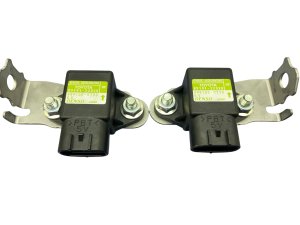
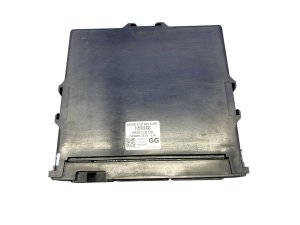
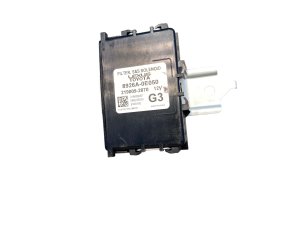
OEM Part Numbers: 89191-22020 8919122020
The accelerometer is a solid-state sensor, often combined into a single unit with the yaw rate sensor. It communicates with the vehicle's ECU over the CAN bus network.
We Have This Part in Stock

The information in this article is provided for general reference and educational purposes only. Vehicle specifications, procedures, and part compatibility can vary by production date, trim level, and region. Always consult your vehicle's factory service manual and verify part numbers before purchasing or performing repairs. Safety-critical components such as airbags, seat belts, and braking systems should be installed by a qualified professional.
- Lexus TX500h:
- 🛍️ Shop This Part
- Symptoms of a Failing Accelerometer
- 1. Dashboard Warning Lights
- 2. Unstable Handling (in certain conditions)
- 3. Associated OBD-II Trouble Codes
- The Critical Step: Zero Point Calibration
- How to Perform Zero Point Calibration:
- Buying a Used 2024 TX500h Accelerometer
- Known Issues, Recalls, and TSBs
- Replacement Cost & Labor
- Frequently Asked Questions (FAQ)
- 🎟️ Get 5% Off