

2023 Maserati Grecale Accelerator Pedal: Diagnosing Hesitation and Limp Mode
This guide covers the common symptoms, diagnosis, and replacement of the electronic accelerator pedal assembly in the 2023 Maserati Grecale.
- A failing accelerator pedal on a 2023 Grecale will most likely cause the vehicle to enter a reduced-power 'limp mode'.
- The most common diagnostic code is P2138, which points directly to a fault within the pedal assembly itself.
- Replacement is a simple DIY job (1/5 difficulty) that takes less than an hour with basic tools.
- When buying a used part, you must match the OEM part number (06702942000) and inspect the electrical connector for damage.
Symptoms of a Failing 2023 Grecale Accelerator Pedal
Because the accelerator pedal assembly is a critical electronic sensor, a failure will typically cause immediate and noticeable driving problems. While specific long-term failure data for the 2023 Grecale is still emerging, the symptoms are consistent with those seen in other modern drive-by-wire vehicles. The vehicle's computer is designed to enter a protective 'limp mode' when it can't trust the signals from the pedal.
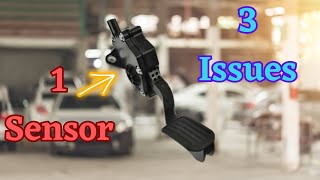
- Vehicle Enters Limp Mode: This is the most common and serious symptom. The instrument cluster will display a warning message, and engine power will be severely restricted to prevent unintended acceleration. 🎬 Watch: What is limp mode and how to fix it The car will feel extremely sluggish and may not be able to exceed 35-45 mph.
- Delayed or Unresponsive Accelerator: You might press the gas pedal and experience a significant delay before the engine responds, or it may not respond at all. This can feel like a 'dead spot' in the pedal's travel.
- Check Engine Light and/or ETC Light: A fault in the pedal sensor circuit will almost always trigger the Check Engine Light. Some vehicles also have a specific Electronic Throttle Control (ETC) warning light, which may look like a lightning bolt inside parentheses.
- Inconsistent Acceleration or Surging: The car may hesitate, surge, or accelerate erratically without any change in pedal pressure, making it difficult to drive smoothly.
- Rough or High Idle: If the sensor sends faulty data while the vehicle is stopped, the computer may struggle to maintain a stable idle, causing it to run rough or at a higher RPM than normal.
Common Diagnostic Trouble Codes (DTCs)
Using an OBD-II scanner is the best way to confirm a pedal sensor issue. The most common code associated with this failure is:
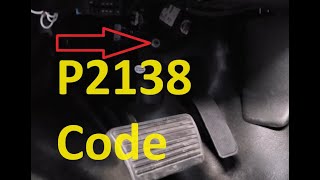
- P2138 - Throttle/Pedal Position Sensor/Switch 'D'/'E' Voltage Correlation: This code specifically means the two internal sensors within the pedal assembly are sending conflicting signals to the computer. On Maserati and other Stellantis vehicles, this code almost always points to a faulty accelerator pedal assembly. 🎬 See: How to diagnose and fix a P2138 code
Buying a Used Accelerator Pedal for Your Grecale
Given the high cost of new dealer parts, a quality used OEM accelerator pedal is an excellent, cost-effective solution. Since this is a critical electronic component, it's important to buy from a reputable recycler and inspect the part carefully.
What to Check Before You Buy:
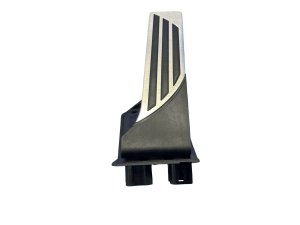
- Match the Part Number Exactly: The most critical step is to match the OEM part number from your original pedal to the used replacement. The verified part number for the 2023 Grecale is 06702942000. Using a pedal with a different part number, even if it looks identical, may result in incompatibility.
- Inspect the Electrical Connector: Carefully examine the connector port on the pedal assembly. The pins inside should be straight, clean, and free of any bending, breakage, or green/white corrosion. A part with a damaged connector is unusable.
- Check Mechanical Operation: Press the pedal by hand. It should move smoothly through its full range of motion without any grinding, binding, or sticking. The internal spring should feel strong and return the pedal to its resting position instantly when you let go.
- Look for Physical Damage: Inspect the plastic housing for any cracks, stress marks, or signs of heavy impact that could indicate internal damage.
Pro Tip: For a new vehicle like the Grecale, aftermarket options are virtually non-existent or of questionable quality. A low-mileage used OEM part is often a more reliable and affordable choice than waiting for a new part from the dealer.
Known Issues, Recalls, and Technical Service Bulletins (TSBs)
As of early 2026, there are no active recalls or Technical Service Bulletins (TSBs) from Maserati or the NHTSA specifically related to the accelerator pedal assembly for the 2023 Maserati Grecale.
There is an active recall (NHTSA Campaign Number 24V892) for some 2023-2024 Grecale models, but it concerns a software issue that may cause the rearview camera display to fail, and is unrelated to the accelerator pedal.
Cost Comparison
Replacing the accelerator pedal assembly is relatively inexpensive, especially if you perform the labor yourself. Prices can vary based on supplier and availability.
| Part Type | Estimated Cost |
|---|---|
| New OEM (Dealer) | $250 - $400 |
| New Aftermarket | Not Widely Available |
| Used OEM | $100 - $200 |
| Shop Labor | $75 - $150 |
Replacement Overview & Difficulty
Replacing the accelerator pedal assembly is a straightforward job that most DIY mechanics can complete with basic tools. The part is located in the driver's footwell, mounted to the firewall.
- Difficulty: 1/5 (Easy)
- Estimated Time: 0.5 Hours
- Tools Needed: Socket set, trim removal tool.
Basic Steps:
- Disconnect the Battery: As a safety precaution, always disconnect the negative battery terminal before working on electronic components. The Grecale's battery is located in the trunk under the floor panel.
- Remove Trim Panel: You may need to remove a plastic trim panel under the dashboard to gain clear access to the top of the pedal assembly.
- Unplug the Connector: Depress the tab on the electrical connector at the top of the pedal assembly and pull it straight off.
- Unbolt the Pedal: The assembly is typically held to the firewall by two or three bolts or nuts. Remove them with a socket wrench.
- Install the New Pedal: Installation is the reverse of removal. Bolt the new pedal in place, plug in the electrical connector, reinstall any trim panels, and reconnect the battery. 🎬 Watch: Step-by-step accelerator pedal replacement walkthrough
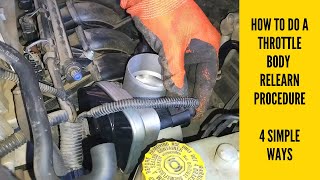
Warning: After installation, some sources recommend a pedal calibration or throttle relearn procedure. Often, this can be done without tools by simply turning the ignition to the 'ON' position (without starting the engine) for two minutes, then turning it off for two minutes before starting the car. This allows the ECU to learn the new sensor's voltage range.
Frequently Asked Questions (FAQ)
Does a new accelerator pedal need to be programmed for a 2023 Grecale?
No, the accelerator pedal assembly does not require special programming with a dealer tool. It is a plug-and-play component. However, performing a throttle relearn procedure as described in the replacement section is recommended to ensure the ECU recognizes the new sensor's parameters correctly.
What is 'limp mode' and how do I get out of it?
Limp mode, or safe mode, is a protective feature where the car's computer drastically reduces engine power when it detects a critical fault, like a bad accelerator pedal sensor. This is to prevent potential engine damage or unsafe driving conditions. While sometimes you can temporarily reset it by turning the car off for 10-15 minutes, the only permanent fix is to diagnose and repair the underlying problem. Driving in limp mode is not recommended except to get to a safe location or a repair shop.
Can I just clean the accelerator pedal sensor?
No. The accelerator pedal position sensor is a sealed electronic unit. The internal components that wear out are not accessible or serviceable. Attempting to open or clean the unit will damage it. The entire assembly must be replaced.
Is the accelerator pedal the same as the throttle body?
No. The accelerator pedal is the sensor inside the cabin that reads your foot's input. The throttle body is a mechanical valve in the engine bay that the car's computer opens and closes to let air into the engine. The accelerator pedal *tells* the computer how far to open the throttle body. They are two separate parts of the same system.
Helpful Videos

Technical Specifications
OEM Part Numbers: 06702942000
Drive-by-wire electronic sensor assembly with dual potentiometers for redundancy. Mounts to firewall.
We Have This Part in Stock

The information in this article is provided for general reference and educational purposes only. Vehicle specifications, procedures, and part compatibility can vary by production date, trim level, and region. Always consult your vehicle's factory service manual and verify part numbers before purchasing or performing repairs. Safety-critical components such as airbags, seat belts, and braking systems should be installed by a qualified professional.
- Maserati Grecale:
- 🎬 Helpful Videos
- 🛍️ Shop This Part
- Symptoms of a Failing 2023 Grecale Accelerator Pedal
- Common Diagnostic Trouble Codes (DTCs)
- Buying a Used Accelerator Pedal for Your Grecale
- What to Check Before You Buy:
- Known Issues, Recalls, and Technical Service Bulletins (TSBs)
- Cost Comparison
- Replacement Overview & Difficulty
- Basic Steps:
- Frequently Asked Questions (FAQ)
- 🎟️ Get 5% Off