

2000-2005 Kia Rio AC Condenser: Leaks, Symptoms, and Replacement Guide
Your definitive guide to diagnosing a faulty AC condenser in a first-generation Kia Rio and what to inspect when purchasing a used replacement.
- This AC condenser fits all 2000-2005 Kia Rio models, regardless of engine size.
- The AC system MUST be professionally evacuated before removal and recharged after installation; it is illegal and dangerous to release refrigerant.
- When buying a used condenser, the most important check is for oily residue, which indicates a leak. Bent fins are cosmetic, but crushed tubes are a fatal flaw.
- Always replace the receiver/drier component anytime the AC system is opened to ensure longevity of the repair.
Symptoms of a Failing AC Condenser

When the AC condenser in a 2000-2005 Kia Rio starts to fail, the signs are usually related to poor cooling performance. Here are the most common symptoms to watch for:
🎬 Watch this video on common bad AC condenser symptoms- Warm or Weak Airflow: This is the most obvious symptom. The AC system blows air, but it's not cold, or it may start cool and then turn warm. This happens when the condenser is blocked, damaged, or leaking and can no longer effectively cool the refrigerant.
- Visible Leaks or Oily Residue: The AC system uses refrigerant oil to lubricate the compressor. If the condenser develops a leak from corrosion or road debris, this oil will escape along with the refrigerant. You may notice a greasy, oily film on the condenser fins or even small drips on the ground under the front of the car.
- AC System Shuts Off Unexpectedly: A clogged or blocked condenser can't dissipate heat, causing pressure in the AC system to rise to dangerous levels. Modern systems have a high-pressure switch that will shut down the AC compressor to prevent damage.
- Visible Damage: Because it's mounted at the front of the car, the condenser is vulnerable to damage from rocks and road debris. Bent fins can restrict airflow, and a direct impact can cause a leak.
Known Issues for 2000-2005 Kia Rio

The first-generation Kia Rio is an economy car, and its components are subject to wear and tear. For the AC condenser, the primary known issue is its susceptibility to physical damage. Its forward-facing position makes it the first line of defense against road debris, which can lead to pinhole leaks over time.
Additionally, Kia has updated the part number for this condenser multiple times, from 0K30A61480A through 0K30A61480E. This series of revisions often suggests that design or material improvements were made over the years to enhance durability or performance. When purchasing a replacement, opting for a later revision like the 'E' version might be beneficial.
No recalls or specific Technical Service Bulletins (TSBs) from the National Highway Traffic Safety Administration (NHTSA) were found specifically for the AC condenser on 2000-2005 Kia Rio models.
Pro Tip: When an AC condenser fails, it's standard practice to also replace the receiver/drier (or desiccant bag). This component absorbs moisture from the refrigerant. Opening the system for repair exposes it to atmospheric moisture, and the old drier will be saturated. Failing to replace it can lead to premature failure of the new components.
Buying a Used 2000-2005 Kia Rio AC Condenser

A used OEM condenser can be a smart, cost-effective choice, offering guaranteed fitment compared to some aftermarket alternatives. However, a thorough inspection is crucial before you buy.
Physical Inspection Checklist
- Check for Oily Residue: This is the number one red flag. Any greasy or dark, discolored patches on the fins indicate a refrigerant leak. A leaking condenser is useless and cannot be repaired.
- Inspect the Fins: A few bent fins are cosmetic and can often be carefully straightened with a fin comb. However, large areas of crushed or clogged fins will block airflow and should be avoided.
- Examine the Tubes: Look for any crushed or deeply dented tubes running through the fins. While bent fins are okay, a damaged tube is a fatal flaw.
- Verify Fittings and Mounts: Ensure the inlet and outlet pipe fittings are clean, undamaged, and not stripped. Check that all mounting brackets are present and free of cracks.
Compatibility Check
The AC condenser for the first-generation Kia Rio fits all models from 2000, 2001, 2002, 2003, 2004, and 2005. This includes models with both the 1.5L and 1.6L engines. The key OEM part numbers are 0K30A61480A, 0K30A61480B, 0K30A61480C, 0K30A61480D, and the final revision, 0K30A61480E. Some aftermarket parts may also cross-reference to part number 97606FD000 or Partslink number KI3030113, though these appear to be more common for 2003-2005 models.
AC Condenser Replacement Overview

Replacing the AC condenser is a moderately difficult job that involves more than just unbolting the old part. The main challenge is handling the refrigerant.
Warning: It is illegal to release R-134a refrigerant into the atmosphere. The AC system must be professionally evacuated using a special recovery machine before any work begins, and then vacuumed and recharged after the new part is installed. This is not an optional step.
The basic mechanical steps involve removing the front bumper cover and grille, disconnecting the AC lines from the condenser, unbolting the condenser from the radiator support, and swapping in the new unit. While a DIY-savvy person can perform the mechanical swap, the refrigerant handling requires a professional auto repair shop.
Cost to Replace a Kia Rio AC Condenser
Prices can vary based on your location and choice of parts. Here is a general cost breakdown:
| Part/Service | Estimated Cost |
|---|---|
| New OEM Condenser | $400 - $570 |
| New Aftermarket Condenser | $75 - $170 |
| Used OEM Condenser | $50 - $125 |
| Shop Labor (including evac/recharge) | $180 - $430 |
Frequently Asked Questions (FAQ)
Can I replace the AC condenser myself?
You can perform the physical replacement of the part if you are comfortable removing the front bumper. However, you MUST take the vehicle to a qualified shop to have the refrigerant professionally evacuated before you start and recharged after you are finished.
Do I need to add oil when replacing the condenser?
Yes. When a condenser is replaced, a specific amount of PAG (Polyalkylene Glycol) oil is lost. You must add the correct amount of new PAG 46 oil to the new condenser before installation to ensure the compressor remains lubricated. The exact amount can be found in the vehicle's service manual.
What refrigerant does a 2000-2005 Kia Rio use?
The first-generation Kia Rio uses R-134a refrigerant.
Will my AC work if the condenser fins are bent?
It depends on the severity. A few slightly bent fins will have a negligible effect on performance. However, if large sections are bent flat or clogged with debris, it will significantly reduce airflow and cause poor cooling.
Helpful Videos
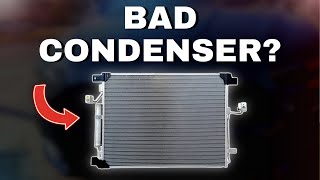
Technical Specifications
OEM Part Numbers: 0K30A61480A 0K30A61480B 0K30A61480C 0K30A61480D 0K30A61480E
Core Dimensions: 614mm x 350mm x 16mm. Material: Aluminum. Refrigerant Type: R-134a.

The information in this article is provided for general reference and educational purposes only. Vehicle specifications, procedures, and part compatibility can vary by production date, trim level, and region. Always consult your vehicle's factory service manual and verify part numbers before purchasing or performing repairs. Safety-critical components such as airbags, seat belts, and braking systems should be installed by a qualified professional.
- Kia Rio:
- 🎬 Helpful Videos
- Symptoms of a Failing AC Condenser
- Known Issues for 2000-2005 Kia Rio
- Buying a Used 2000-2005 Kia Rio AC Condenser
- Physical Inspection Checklist
- Compatibility Check
- AC Condenser Replacement Overview
- Cost to Replace a Kia Rio AC Condenser
- Frequently Asked Questions (FAQ)
- 🎟️ Get 5% Off