

1999 Dodge Neon AC Compressor: Diagnosing Failures and Preventing 'Black Death'
This guide covers common 1999 Dodge Neon AC compressor failures, what to inspect on a used unit, and the critical steps to prevent catastrophic system damage.
- Catastrophic failure ('Black Death') is a major risk. If the old compressor failed internally, you must also replace the condenser, receiver/drier, and orifice tube.
- Compatibility is key: The 1999 Neon requires a Denso 10PA17C style compressor with a single-groove pulley.
- Replacing the receiver/drier and orifice tube is mandatory whenever the AC system is opened to ensure the new compressor lasts.
- While DIY replacement is possible, the system must be professionally evacuated before starting and vacuumed/recharged after completion.
Symptoms of a Failing AC Compressor

When the AC compressor in a 1999 Neon begins to fail, it usually provides several warning signs. Ignoring these can lead to more expensive repairs, so it's important to diagnose the issue early.
1. No Cold Air or Lukewarm Air
The most common symptom is a complete lack of cold air from the vents. You might notice the air is only slightly cool or the same temperature as the outside air. This happens when the compressor can no longer effectively pressurize and circulate the refrigerant. Sometimes the failure is sudden, going from ice-cold to warm in an instant.
2. Loud Grinding or Squealing Noises
Unusual noises that start when you turn the AC on are a serious red flag. A grinding or rattling sound often points to failing internal bearings or other mechanical parts inside the compressor. A loud squeal could be the compressor beginning to seize, causing the serpentine belt to slip over its pulley. If the compressor fully seizes, it can break the belt, leading to a loss of power steering and the alternator, which will cause the engine to stall.
3. AC Clutch Does Not Engage
When you turn on the AC, you should hear a distinct "click" from the engine bay as the compressor's clutch engages. If you don't hear this click and the center part of the pulley isn't spinning, the clutch is not engaging. This can be caused by several issues: a failed clutch coil, a bad electrical connection, or a safety feature that prevents engagement if the system's refrigerant level is too low.
Known Issues for the 1999 Dodge Neon

Catastrophic Failure and "Black Death"
The most significant known issue related to AC compressors is a catastrophic internal failure, often called "Black Death." This occurs when the compressor's internal components wear out and disintegrate, sending tiny, sharp metal particles and a thick, black, sludgy goo throughout the entire AC system. This contamination is extremely destructive. The sludge and debris will clog the condenser, orifice tube, and evaporator, making them impossible to clean with a standard flush. If your old compressor has failed in this way, you must replace not only the compressor but also the condenser, receiver/drier, and orifice tube to prevent the new compressor from failing immediately.
Warning: Before buying a used compressor, inspect the ports for a black, oily residue. If you see this, do not buy the part, as it's a clear sign of "Black Death" and the donor vehicle's entire AC system was contaminated.
Buying a Used 1999 Neon AC Compressor

A quality used OEM compressor can be a reliable and affordable alternative to expensive new or questionable aftermarket parts. Since new OEM compressors for this model are largely discontinued, a low-mileage used unit is often the best choice. Here’s what to check.
1. Physical Inspection
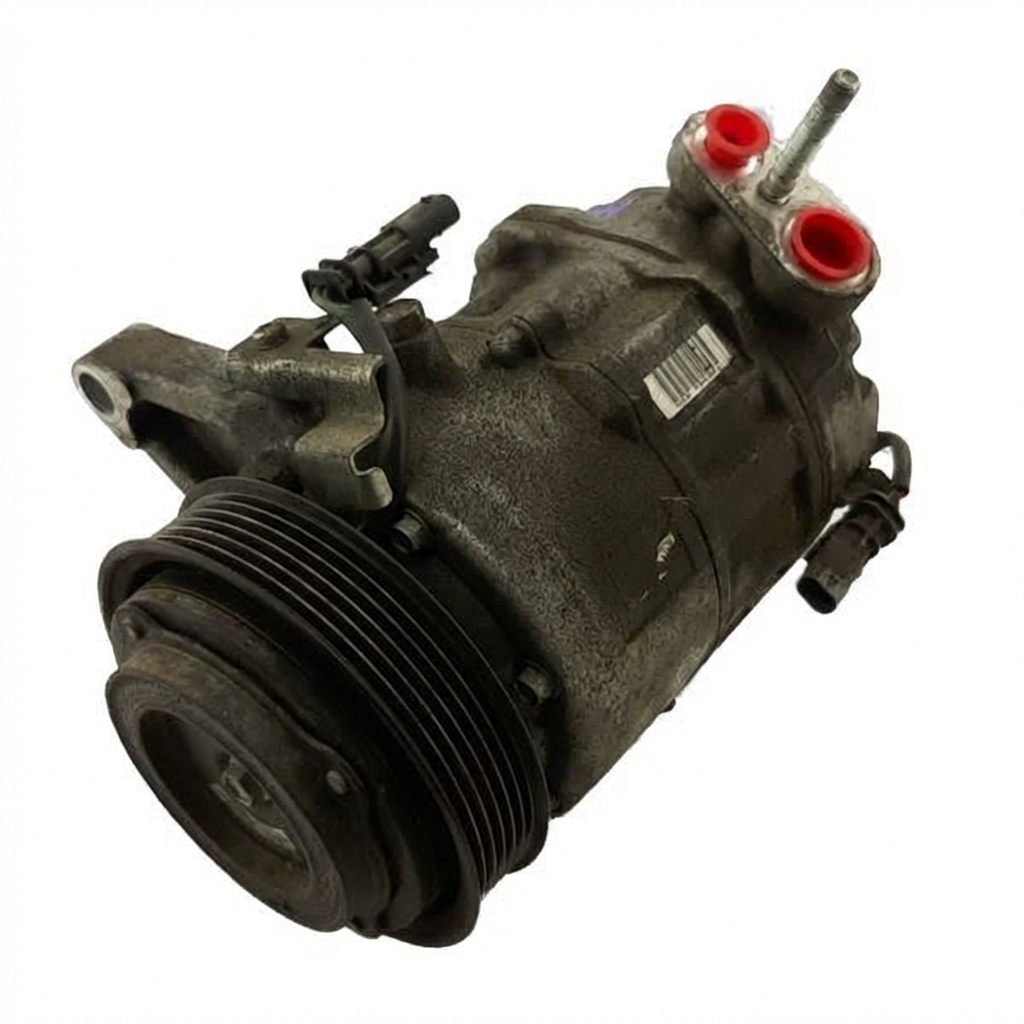
- Check the Pulley: Spin the outer pulley by hand. It should spin smoothly and quietly. Any grinding or roughness indicates a bad bearing.
- Inspect the Clutch: Look at the center plate of the clutch. It should not look burnt, warped, or have a large, uneven air gap between it and the pulley.
- Verify Pulley Grooves: The 1999 Dodge Neon uses a Denso 10PA17C compressor with a single groove pulley. Many similar compressors have multi-groove pulleys, so visually confirm you have the correct one.
- Examine the Ports: The inlet and outlet ports should be capped and clean. Uncapped ports allow moisture and debris to enter, which ruins the compressor. As mentioned, look for any black, tar-like substance inside, which indicates "Black Death."
- Check the Connector: Ensure the electrical connector is not cracked, corroded, or have any cut wires.
2. Compatibility Verification
The surest way to guarantee fitment is to match the OEM part number. The primary compressor for the 1999 Neon is the Denso 10PA17C style.
| Manufacturer | Part Number |
|---|---|
| Dodge / Mopar | 5278462AA, 05278462AA |
| Nippondenso (OEM) | 10PA17C |
| UAC (Aftermarket) | CO 22022C |
Installation Overview and Difficulty
- Difficulty: 4 out of 5 (for DIY)
- DIY Feasible: Yes, but with a major caveat.
The mechanical replacement of the compressor is straightforward for an experienced DIYer. However, it is illegal and unsafe to release refrigerant into the atmosphere. You must have the system professionally evacuated by a licensed shop before you begin work and professionally vacuumed and recharged after you are finished.
Key Replacement Steps:
- Have the system professionally evacuated.
- Disconnect the battery.
- Loosen the belt tensioner and remove the serpentine belt from the compressor.
- Disconnect the electrical connector from the compressor clutch.
- Unbolt the refrigerant lines from the top of the compressor. Be ready to cap the open lines immediately to prevent contamination.
- Remove the mounting bolts holding the compressor to the engine block and lift it out.
- CRITICAL: Replace the Receiver/Drier and Orifice Tube. The receiver/drier removes moisture from the system and must be replaced anytime the system is opened. The orifice tube is a small filter that is also a mandatory replacement item. Failure to replace these parts will void the warranty on most replacement compressors and lead to premature failure.
- If the old compressor failed internally, flush the evaporator and lines (the condenser cannot be reliably flushed and should be replaced).
- Install the new compressor, ensuring the correct amount and type of PAG 46 oil is added.
- Reconnect lines (with new O-rings), the electrical connector, and the belt.
- Have the system professionally vacuum-tested for leaks and recharged with the correct amount of R134a refrigerant.
Pro Tip: The orifice tube on a 1999 Neon is located in the high-pressure liquid line, near the radiator support on the passenger side of the engine bay. You will see a connection in the line; the tube is inside. Special tools may be needed to extract it if it's stuck.
Cost Comparison (1999 Dodge Neon AC Compressor)
| Part Type | Estimated Cost | Notes |
|---|---|---|
| New OEM | Discontinued | No longer available from most Mopar dealers. |
| New Aftermarket | $150 - $250 | Brands like UAC or GPD. Quality can be inconsistent. |
| Remanufactured OEM | $200 - $250 | A good option. Often includes a core charge. |
| Used OEM | $50 - $125 | Cost-effective, but requires careful inspection. |
| Shop Labor | $130 - $250 | Includes evacuation and recharge. Does not include part cost. |
Frequently Asked Questions (FAQ)
Can I just replace the AC compressor clutch?
Yes, clutch kits are available and can be replaced separately if the compressor itself is still good. This is a good repair if the only problem is a failed clutch coil or bearing. However, if the compressor is noisy or leaking, replacing only the clutch will not solve the underlying problem.
Do I need to add oil to the new compressor?
Yes. Even if the compressor comes "pre-filled," you must verify the amount and type of oil (PAG 46 for this model). Drain the shipping oil from the new compressor and add the exact amount specified for your vehicle's system. The total system oil capacity is split between the compressor, condenser, evaporator, and receiver/drier. Consult a service manual for the correct distribution.
Why must I replace the receiver/drier and orifice tube?
The receiver/drier contains a desiccant material that absorbs moisture. Once exposed to the atmosphere, it becomes saturated and useless within hours. The orifice tube is a filter that can become clogged with debris. Replacing both is mandatory to ensure the longevity of the new compressor and is required for any warranty claim.
What happens if I don't fix a seized compressor?
If the compressor pulley seizes and will not turn, it will cause the serpentine belt to drag across it, creating smoke, noise, and eventually breaking the belt. Since the serpentine belt also drives the alternator and power steering pump, a broken belt will cause a loss of steering assist and prevent the battery from charging, leaving you stranded.
Technical Specifications
OEM Part Numbers: 5278462AA 05278462AA 5264732
Compressor Type: Denso 10PA17C, Pulley: 1 Groove, Refrigerant: R134a, Oil Type: PAG 46
We Have This Part in Stock

The information in this article is provided for general reference and educational purposes only. Vehicle specifications, procedures, and part compatibility can vary by production date, trim level, and region. Always consult your vehicle's factory service manual and verify part numbers before purchasing or performing repairs. Safety-critical components such as airbags, seat belts, and braking systems should be installed by a qualified professional.
- Dodge Neon:
- 🛍️ Shop This Part
- Symptoms of a Failing AC Compressor
- 1. No Cold Air or Lukewarm Air
- 2. Loud Grinding or Squealing Noises
- 3. AC Clutch Does Not Engage
- Known Issues for the 1999 Dodge Neon
- Catastrophic Failure and "Black Death"
- Buying a Used 1999 Neon AC Compressor
- 1. Physical Inspection
- 2. Compatibility Verification
- Installation Overview and Difficulty
- Key Replacement Steps:
- Cost Comparison (1999 Dodge Neon AC Compressor)
- Frequently Asked Questions (FAQ)
- 🎟️ Get 5% Off