

1998-2002 Prizm & Corolla AC Compressor: Failure Symptoms and Replacement Guide
This guide covers how to diagnose a faulty AC compressor on your Chevrolet Prizm or Toyota Corolla, what to inspect on a used unit, and how to replace it correctly.
- The 1998-2002 Prizm uses the same AC compressor as the Toyota Corolla, which is a reliable Denso unit. Searching for Corolla parts will yield more options.
- Failure of the AC clutch relay is common and can mimic a failed compressor. Always test this inexpensive relay before replacing the entire compressor.
- If the compressor has seized, do not drive the vehicle. The serpentine belt can break, causing a loss of power steering and alternator function.
- When replacing the compressor, it is mandatory to also replace the receiver/drier and expansion valve and flush the system to prevent premature failure of the new part.
Understanding the Prizm and Corolla Connection

The 1998-2002 Chevrolet Prizm is mechanically identical to the eighth-generation Toyota Corolla. This means they share the same engine (1.8L 1ZZ-FE) and the same air conditioning components, including the compressor. When searching for parts or troubleshooting advice, expanding your search to include the 1998-2002 Toyota Corolla will provide significantly more results and part options. The original equipment (OE) compressor was manufactured by Denso, a Toyota-affiliated company.
Symptoms of a Failing AC Compressor


A failing AC compressor can present several distinct symptoms. Paying attention to these signs can help you diagnose the problem before it causes more damage to the AC system.
- No Cold Air: The most obvious symptom is warm or hot air blowing from the vents when the AC is on. This indicates the compressor is not pressurizing the refrigerant.
- Loud Noises: Grinding, rattling, or squealing sounds from the engine bay that start or change when you turn on the AC are a strong indicator of internal compressor failure. Worn bearings or a failing clutch can cause these noises.
- Compressor Clutch Not Engaging: When you turn on the AC, you should hear a distinct 'click' from the engine bay as the compressor's magnetic clutch engages, and the center plate of the pulley begins to spin. If this doesn't happen, the issue could be the clutch itself, the clutch relay, or an electrical problem.
- Visible Leaks: The compressor contains oil to lubricate its internal parts. If you see oily, grimy residue on the body of the compressor, it could be leaking from the shaft seal or case seals.
- Seized Pulley: In a critical failure, the compressor's internal mechanism can lock up, causing the pulley to seize. If the clutch is engaged, this will cause the serpentine belt to squeal loudly and may even break it, leading to a loss of power steering and alternator function.
Pro Tip: Sometimes, the AC system's magnetic clutch relay fails, not the compressor itself. This is a common issue on Corollas of this era. Before condemning the compressor, try swapping the 'MG CLT' (magnetic clutch) relay in the under-hood fuse box with a similar relay (like the horn relay) to see if the clutch engages. This is a simple, no-cost diagnostic step.
Known Issues, TSBs, and Recalls
There are no specific recalls or Technical Service Bulletins (TSBs) from Chevrolet or the NHTSA directly related to the AC compressor on the 1998-2002 Prizm. Most issues are related to normal wear and tear. The most common failures on the underlying Toyota system are refrigerant leaks from hoses or seals, and electrical issues with the clutch relay. In some cases, a blinking AC light on the dashboard indicates that the system has detected a problem, often related to the compressor locking up or a discrepancy in sensor readings.
Buying a Used AC Compressor: What to Check

A quality used OEM Denso compressor can be a reliable and cost-effective alternative to a new aftermarket part. Here’s what to inspect before you buy:
- Verify Part Numbers: Check that the part numbers match your original unit. Key OEM numbers include 1135315, 1135434, and 19169351 for GM, and cross-references like Denso 471-1223.
- Spin the Pulley: The outer pulley should spin freely and smoothly by hand with a quiet whirring sound. Any grinding, roughness, or wobbling indicates a bad pulley bearing.
- Check the Clutch Plate: The center clutch plate should be stationary when you spin the pulley. Try to turn it by hand; it should be difficult to turn but should move smoothly, indicating the internal compressor parts are not seized.
- Inspect for Leaks: Look for excessive oily dirt caked around the shaft seal (behind the pulley) and where the refrigerant lines connect. A clean, dry compressor is a good sign.
- Check the Electrical Connector: Ensure the electrical connector is intact, not cracked, and the pins are not corroded or bent.
- Confirm Pulley Type: Ensure the compressor has the correct 6-groove serpentine belt pulley required for the 1.8L engine.
Cost Comparison for a 1998-2002 Prizm AC Compressor
Prices can vary based on brand and condition. The estimates below help illustrate the value of choosing a used OEM part.
| Part Type | Estimated Cost | Notes |
|---|---|---|
| New OEM (GM/Denso) | $350 - $500+ | Often sold under the Denso brand. Offers the best quality and longevity. |
| New Aftermarket | $120 - $250 | Wide range of quality. Brands like UAC are common. May not last as long as OEM. |
| Remanufactured | $200 - $300 | A used compressor that has been rebuilt with new seals and bearings. Quality can vary. |
| Used OEM | $50 - $125 | A cost-effective option, especially if sourced from a low-mileage vehicle. |
| Shop Labor | $122 - $179 | This includes system evacuation and recharge, which requires specialized equipment. |
Warning: When replacing the compressor, you MUST also replace the A/C receiver/drier (also called an accumulator) and the expansion valve. Failure to do so will introduce moisture and debris into your new compressor, causing it to fail quickly and voiding any warranty. The system must also be flushed to remove old oil and potential debris from the previous compressor failure.
Replacement Difficulty
- Difficulty Rating: 3 out of 5
- DIY Feasible: Yes, but with a major caveat.
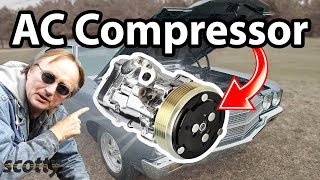
The physical unbolting and re-installing of the compressor is straightforward for a DIY mechanic. However, handling refrigerant is legally regulated and requires specialized equipment. You must have the old refrigerant professionally recovered before starting work, and you must have the system vacuumed and recharged by a professional after installing the new parts. For this reason, many DIYers choose to do the physical parts swap themselves 🎬 Watch this step-by-step walkthrough on replacing an AC compressor and then take the car to a shop for the final (and crucial) vacuum and recharge service.
Frequently Asked Questions (FAQ)
Can I just replace the AC clutch instead of the whole compressor?
Yes, the clutch assembly is available separately and can be replaced. If you've diagnosed the failure as a bad clutch coil or bearing and the compressor itself is still good, this can be a cheaper repair. However, it requires special tools to remove and install the clutch, and if the compressor is old, the shaft seal may begin to leak after the repair.
What type and how much oil does the 1998-2002 Prizm AC system use?
The system uses PAG 46 or PAG 150 oil (check the label on your replacement compressor). When replacing just the compressor, you should drain the oil from the old unit to measure how much came out, then add the same amount of new oil to the new compressor before installation. If you are replacing multiple components and flushing the system, you will need to add a specific total amount distributed among the compressor, condenser, and drier. Always consult a service manual for the exact capacities.
My AC light is blinking. What does that mean?
On these Toyota-based systems, a blinking AC indicator light is a fault code. It typically means the car's computer has detected a problem and has shut down the compressor to prevent damage. This is often triggered when the compressor's rotation sensor detects that the compressor has seized or is slipping internally. A diagnostic scan tool may be needed to read the specific body control module code.
Can I drive my car with a bad AC compressor?
It depends on the failure. If the compressor is simply not cooling but the pulley spins freely, you can drive the car indefinitely with the AC turned off. However, if the compressor has seized and the pulley will not turn, you cannot drive the car as it will destroy the serpentine belt. This would cause you to lose power steering and the alternator, making the car unsafe to drive. In this situation, you can install an 'AC bypass pulley' as a temporary measure to be able to drive the car without replacing the compressor.
Helpful Videos
Technical Specifications
OEM Part Numbers: 1520347 1135260 1135315 1135434 19152867 19169351
Compressor Type: V5 Style, Pulley: 6-groove serpentine, Refrigerant: R-134a, Oil Type: PAG 46 or PAG 150.
We Have This Part in Stock


The information in this article is provided for general reference and educational purposes only. Vehicle specifications, procedures, and part compatibility can vary by production date, trim level, and region. Always consult your vehicle's factory service manual and verify part numbers before purchasing or performing repairs. Safety-critical components such as airbags, seat belts, and braking systems should be installed by a qualified professional.
- Chevrolet Prizm:
- 🎬 Helpful Videos
- 🛍️ Shop This Part
- Understanding the Prizm and Corolla Connection
- Symptoms of a Failing AC Compressor
- Known Issues, TSBs, and Recalls
- Buying a Used AC Compressor: What to Check
- Cost Comparison for a 1998-2002 Prizm AC Compressor
- Replacement Difficulty
- Frequently Asked Questions (FAQ)
- 🎟️ Get 5% Off