

2022-2025 Mitsubishi Eclipse Cross ABS Wheel Speed Sensor: Failures, Part Numbers & Costs
This guide covers common failure symptoms, correct OEM part numbers, replacement costs, and why a software issue might be the real problem with your ABS light.
- The OEM part number 8651A495 is an airbag sensor, NOT an ABS sensor; do not buy it for an ABS fault.
- A new OEM sensor is very expensive ($400+), making a used OEM part from a low-mileage vehicle the best value.
- Symptoms almost always include both the ABS and ASC (traction/stability control) warning lights.
- While no recalls exist for 2022-2025 sensors, a software issue in the main ABS module can mimic sensor failure, so proper diagnosis is key.
A Note on Part Numbers: ABS Sensor vs. Airbag Sensor
Important: The Mitsubishi part number 8651A495 is frequently misidentified in some databases. This part is NOT an ABS wheel speed sensor. It is a side impact sensor for the SRS airbag system, located in the B-pillar or C-pillar. Installing this part will not fix an ABS-related problem. Always verify you are purchasing a wheel speed sensor for the correct corner of your vehicle.
Symptoms of a Failing ABS Wheel Speed Sensor
When a wheel speed sensor fails on your Eclipse Cross, it will typically disable the ABS and stability control systems, triggering one or more warning lights. Your standard brakes will still function, but without the anti-lock safety feature. Here are the most common signs of a bad sensor:
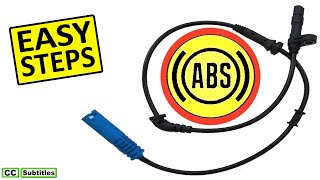
- ABS Warning Light: The most common symptom is a solid amber ABS light on your dashboard. 🎬 Watch: How to diagnose a Mitsubishi ABS light
- Traction/Stability Control Light (ASC): Because the stability and traction control systems rely on the same wheel speed data, the "ASC" or traction control light (often an icon of a car with squiggly lines) will also illuminate.
- Disabled Safety Systems: Features like Hill Start Assist and Forward Collision Mitigation may be disabled and display a warning message.
- Braking Instability: During a hard stop, especially on wet or loose surfaces, the wheels may lock up and cause the vehicle to skid. This indicates the ABS system is not intervening.
- Erratic Speedometer: In some cases, a faulty wheel speed sensor can cause the speedometer to behave erratically or stop working altogether.
Known Issues, Recalls, and Technical Service Bulletins (TSBs)
As of mid-2026, there are no specific recalls or TSBs issued for the ABS wheel speed sensors on 2022-2025 Mitsubishi Eclipse Cross models. However, a related issue on an earlier model year is important to be aware of.
Potential for Software-Related Faults
A critical recall was issued for some 2018 Eclipse Cross models (NHTSA ID: 18V621000 / Mitsubishi Campaign: SR-18-008). This recall addressed a software error in the ABS/ASC hydraulic control unit that could disable the safety systems, causing warning lights identical to those of a failed sensor. The fix was a free software update from a dealer.
While this recall does not apply to the 2022-2025 model years, it highlights the possibility that ABS warnings can be caused by software or control module issues, not just a bad sensor. If you have multiple, persistent ABS-related error codes, it's wise to rule out a module or software problem before replacing multiple sensors.
Buying a Used ABS Wheel Speed Sensor
Given that a new OEM wheel speed sensor for an Eclipse Cross can cost over $400, a used OEM sensor from a low-mileage vehicle is an excellent value. Recycled OEM sensors are manufactured to Mitsubishi's exact standards, ensuring proper fit and signal accuracy, which is not always guaranteed with cheaper aftermarket alternatives.
What to Check Before You Buy:
- Verify the Part Number: The safest method is to have a dealer provide the exact part number for your vehicle's VIN. Part numbers vary for front, rear, left, and right positions, and may also differ between Front-Wheel Drive (FWD) and All-Wheel Drive (AWD) models.
- Inspect the Wiring Harness: Check the entire length of the wire for any cuts, scrapes, or stretched sections. The plastic connector at the end should be free of cracks, and the locking tab must be intact.
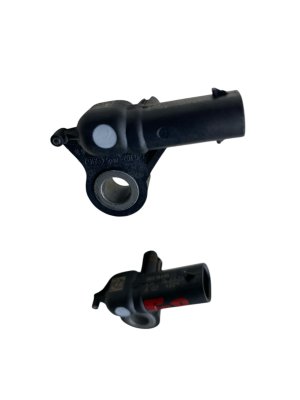
- Examine the Sensor Head: The magnetic sensor at the tip should be clean and free of physical damage or heavy corrosion.
- Check the Mounting Point: Ensure the plastic or metal mounting tab where the bolt passes through is not cracked or broken. This is a common failure point during removal.
- Source Vehicle Mileage: Look for a sensor from a vehicle with the lowest possible mileage. A sensor from a car with under 50,000 miles is an ideal choice. An eBay listing for a used sensor from a 2023 model with only 26,000 miles is a good example of what to look for.
Cost Comparison for ABS Wheel Speed Sensor Replacement
The high cost of a new OEM part makes buying a quality used sensor a financially smart decision. Labor costs are generally low, as replacement is straightforward for a professional.
| Part/Service | Estimated Cost (USD) | Notes |
|---|---|---|
| New OEM Part | $330 - $415 | Price from dealer parts departments. Varies by specific part number. |
| New Aftermarket Part | $25 - $60 | Wide range of quality. May not have the same durability or signal precision as OEM. |
| Used OEM Part | $40 - $100 | Excellent value. Sourced from low-mileage salvage vehicles. |
| Shop Labor | $95 - $145 | Typically 0.8 to 1.2 hours of labor. |
| Total New OEM Replacement | $425 - $560 | Using a new OEM part installed at a repair shop. |
| Total Used OEM Replacement | $135 - $245 | Using a recycled OEM part installed at a repair shop. |
ABS Wheel Speed Sensor Replacement Overview
Replacing an ABS sensor is a feasible DIY job for someone with experience working on brakes and suspension. The key challenges are often dealing with rust and carefully routing the new wire.
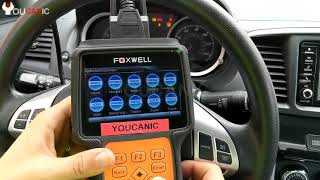
- Diagnose the Correct Sensor: Use an OBD2 scanner capable of reading ABS codes to identify which specific wheel sensor is faulty. 🎬 See how to diagnose a Mitsubishi ABS code Guessing can be expensive and time-consuming.
- Access the Sensor: Safely lift and support the vehicle, then remove the wheel. You will likely need to remove the plastic fender liner to access the sensor's wiring connector.
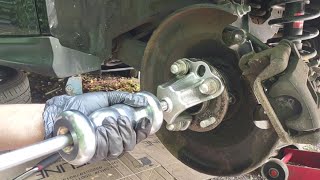
- Remove the Old Sensor: The sensor is typically held to the wheel hub/knuckle by a single 10mm or 12mm bolt. These can be rusty and seize. Unclip the wire from its mounting points along the suspension and frame.
- Disconnect the Harness: Follow the wire to its connector and unplug it. This connector is often located in the wheel well or, for rear sensors, sometimes just inside the cabin.
- Install the New Sensor: Route the new wire exactly the same way as the old one to prevent it from getting pinched or stretched by suspension movement. Bolt the new sensor in place and connect the harness.
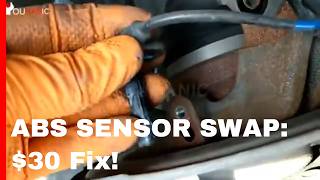
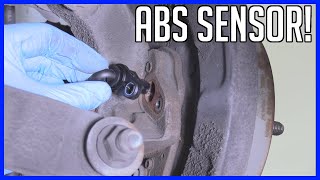
- Clear Codes: Reassemble everything and use your scanner to clear the stored ABS fault codes. The warning lights should go out after a short drive. 🎬 Watch: Step-by-step Mitsubishi ABS sensor replacement guide
Frequently Asked Questions (FAQ)
Can I replace just one ABS sensor?
Yes. The sensors fail individually, and you only need to replace the one that has failed. They are not typically replaced in pairs.
Do I need to program a new ABS sensor?
No. The ABS wheel speed sensor itself is a simple magnetic sensor that does not require any programming. After installation, you just need to clear the fault codes from the ABS module with a capable scanner. Note that the ABS *module*, if replaced, does require programming.
What happens if I ignore a bad ABS sensor?
Your vehicle's anti-lock braking, traction control, and stability control systems will be disabled. While your normal brakes will still work, you have an increased risk of skidding and losing control in an emergency braking situation, especially on slippery roads.
Why are the front and rear sensors different?
The physical shape of the sensor and the length of the wiring harness are specific to each corner of the vehicle. The mounting points and routing paths are different for the front steering suspension versus the rear suspension, requiring unique parts for each location.
Helpful Videos


Technical Specifications
OEM Part Numbers: 4670B310 (Front Right) 4670B320 (Rear Right) 4670B631 (Front, check application) 4670B314 (Rear Right, FWD only)
2-pin electrical connector. Magnetic pickup sensor type. Includes integrated wiring harness.
We Have This Part in Stock

The information in this article is provided for general reference and educational purposes only. Vehicle specifications, procedures, and part compatibility can vary by production date, trim level, and region. Always consult your vehicle's factory service manual and verify part numbers before purchasing or performing repairs. Safety-critical components such as airbags, seat belts, and braking systems should be installed by a qualified professional.
- Mitsubishi Eclipse Cross:
- 🎬 Helpful Videos
- 🛍️ Shop This Part
- A Note on Part Numbers: ABS Sensor vs. Airbag Sensor
- Symptoms of a Failing ABS Wheel Speed Sensor
- Known Issues, Recalls, and Technical Service Bulletins (TSBs)
- Potential for Software-Related Faults
- Buying a Used ABS Wheel Speed Sensor
- What to Check Before You Buy:
- Cost Comparison for ABS Wheel Speed Sensor Replacement
- ABS Wheel Speed Sensor Replacement Overview
- Frequently Asked Questions (FAQ)
- 🎟️ Get 5% Off