

2017-2020 Genesis G80 ABS Wheel Speed Sensor: Warning Lights and Part Guide
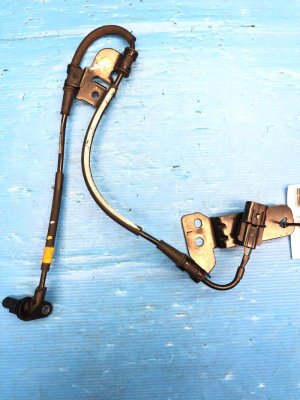
This guide covers failure symptoms, replacement costs, and critical compatibility details for the 2017-2020 Genesis G80 ABS wheel speed sensor.
- A critical fire risk recall (NHTSA 21V-160) exists for the ABS *module* in all 2017-2020 G80s; ensure this is addressed.
- Part compatibility is crucial. The Front Left sensor for the RWD 3.3L Sport model is part number 59810-B1600 and is not interchangeable with other trims.
- Common failure symptoms include illuminated ABS and traction control lights, and a loss of anti-lock braking function.
- Replacement is a manageable DIY task, but the sensor can become seized in the wheel hub, complicating the repair.
Symptoms of a Failing ABS Wheel Speed Sensor
A failing ABS wheel speed sensor will almost always trigger dashboard warning lights and can cause noticeable changes in braking behavior. Because the sensor provides data to multiple safety systems, a single faulty sensor can disable them all.
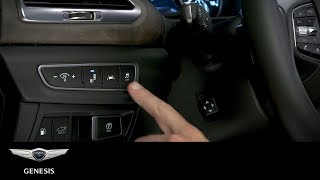
- ABS and Traction Control Lights: The most common symptom is the illumination of the 'ABS' and 'TCS' (Traction Control System) or ESC (Electronic Stability Control) warning lights 🎬 Watch: How Genesis stability and traction control systems work on your instrument cluster. These lights indicate the respective systems have been disabled due to a lack of reliable wheel speed data.
- Pulsating Brake Pedal at Low Speeds: You might feel the brake pedal pulse or vibrate when braking gently, as if the ABS is activating incorrectly. This happens when the control module receives an erratic signal, making it think a wheel is slipping when it isn't.
- Loss of ABS and Traction Control: During a hard stop, especially on wet or loose surfaces, the wheels may lock up and skid. Similarly, when accelerating, the wheels may spin easily as the traction control system is inactive.
- Inconsistent Cruise Control: In some cases, a faulty wheel speed sensor can prevent the cruise control system from engaging or cause it to disengage unexpectedly.
CRITICAL SAFETY RECALL: ABS Module Fire Risk
Hyundai issued a major safety recall (NHTSA Campaign Number: 21V-160) for all 2017-2020 Genesis G80 models. The ABS control module itself can develop an internal electrical short, which can cause a fire in the engine compartment. This can happen while driving or even when the vehicle is parked and turned off. Genesis advises owners to park their vehicles outside and away from structures until the recall repair is performed. The fix involves a dealer installing a new fuse for the ABS module circuit at no charge. While this recall is for the module and not the wheel speed sensor, it is a critical safety issue related to the same system.
Buying a Used 2017-2020 G80 ABS Sensor: What to Check
Purchasing a used OEM wheel speed sensor is a great way to save money, as they are often significantly cheaper than new dealer parts. However, careful inspection and verification are key to getting a good part.
Physical Inspection
Before buying, inspect the sensor and its wiring harness closely. Look for:
- Cracks or Damage: The plastic sensor housing should be free of cracks or heavy gouges.
- Wiring and Connector: The wire harness should be flexible with no cuts, frays, or exposed wires. Check the electrical connector pins to ensure they are straight and free of corrosion.
- Mounting Point: Ensure the bolt hole for mounting the sensor is intact.
Pro Tip: Brake dust and road grime can accumulate on the magnetic tip of the sensor, which can interfere with its reading. Even if you buy a used sensor that looks clean, it's a good practice to gently wipe the tip with a clean cloth before installation.
Compatibility is Critical: Match Your Part Number
Genesis used different sensors depending on the vehicle's drivetrain, suspension, and wheel position. You must match the part number exactly. Using the wrong sensor will result in continued warning lights and non-functional safety systems.
| Position | Vehicle Specifications | OEM Part Number |
|---|---|---|
| Front Left (Driver Side) | Rear-Wheel Drive (RWD) with 3.3L Engine & Electronic Control Suspension (ECS) - Sport Trim | 59810-B1600 |
| Rear Left (Driver Side) | Models without Electronic Control Suspension (ECS) | 59910-B1010 |
The part number 59810-B1600 is specifically for the Front Left sensor on the G80 Sport model, which has the 3.3L twin-turbo engine, Rear-Wheel Drive, and adaptive suspension. Other trims and drivetrain configurations (like AWD or the 3.8L/5.0L engines) will use different part numbers for the front and rear axles. Always verify the part number from your old sensor or with a dealer using your VIN before purchasing.
Why Choose Used OEM?
While cheap aftermarket sensors are available, they are often a gamble. The ABS, traction, and stability control systems are precisely calibrated for the signals produced by the original equipment (OEM) sensor. Aftermarket versions can sometimes have slightly different electrical properties or signal outputs, which can prevent the warning lights from turning off or cause the safety systems to behave erratically. A used OEM sensor that has been properly inspected is often a more reliable and cost-effective choice than a new, unproven aftermarket part.
Replacement Information
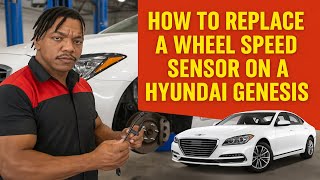
Replacing a wheel speed sensor is a feasible 🎬 See this Genesis wheel speed sensor replacement walkthrough DIY job for someone with basic mechanical skills and tools.
- Difficulty Rating: 2/5 (if the sensor is not seized) to 4/5 (if the sensor is rusted in place).
- Estimated Time: 0.5 - 1.5 hours.
- Tools Needed: Jack and jack stands, socket set, wrench, and potentially a flathead screwdriver or pick for prying.
Installation Overview
- Safely lift the vehicle and secure it on jack stands.
- Remove the wheel for the corner you are working on.
- Locate the sensor. It is a small plastic sensor with a wire coming out of it, mounted to the wheel hub/knuckle assembly with a single bolt (typically 10mm).
- Follow the wire from the sensor to its electrical connector. Disconnect it. There may be several clips holding the wire in place along the suspension that need to be released.
- Remove the single bolt holding the sensor in place.
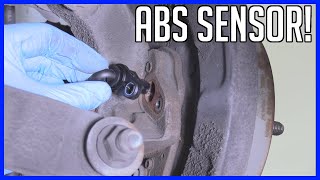
- Gently twist and pull the sensor out of the hub. 🎬 Watch: Easy steps to remove a stuck ABS sensor
Warning: Sensors, especially in areas with road salt, can become rusted and seized in the wheel hub. If it doesn't come out with gentle prying, you may need to carefully break the old sensor apart and drill out the remaining piece. This will significantly increase the difficulty and time required for the job. Always wear safety glasses.
Installation is the reverse of removal. Ensure the new sensor is fully seated before tightening the bolt. After replacement, the ABS light should turn off after driving a short distance.
Cost Comparison
Prices for a single ABS wheel speed sensor can vary significantly based on the source.
| Part Source | Estimated Price Range |
|---|---|
| New OEM (Dealer) | $170 - $240 |
| New Aftermarket | $80 - $360 |
| Used OEM | $40 - $90 |
| Shop Labor Cost | $70 - $150 |
Frequently Asked Questions (FAQ)
Can I drive with a bad ABS wheel speed sensor?
Yes, but with caution. Your primary hydraulic brakes will still work, but the anti-lock braking (ABS), traction control, and stability control systems will be disabled. This means your wheels can lock up during a panic stop, increasing stopping distances and reducing steering control, especially on slippery roads.
Do I need to reset the computer after replacing the sensor?
Typically, no. Once the correct, functioning sensor is installed, the ABS control module will recognize the valid signal. The ABS and traction control warning lights on the dashboard should turn off on their own after driving a short distance.
Can I just clean my old sensor instead of replacing it?
Sometimes, yes. If the sensor tip is merely covered in brake dust or road grime, cleaning it can restore its function and turn off the warning lights. However, if the sensor has failed internally or the wiring is damaged, cleaning will not fix the problem and replacement is necessary.
Why is the part number for the G80 Sport model so specific?
The G80 Sport trim includes an Electronic Control Suspension (ECS), also known as adaptive suspension. This system uses data from the wheel speed sensors to adjust damping force in real-time. The ABS sensor for these models is calibrated to work with this system, which is why it carries a unique part number and is not interchangeable with sensors from non-Sport models.
Helpful Videos
Technical Specifications
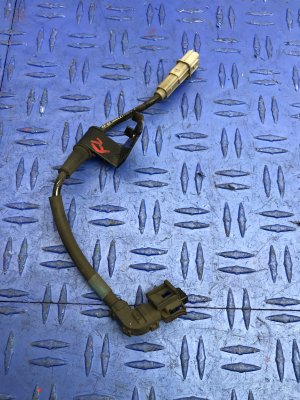
OEM Part Numbers: 59810-B1600 59910-B1010
Magnetic sensor with integrated wire harness and connector. Designed for specific wheel position and vehicle configuration (RWD, ECS).
We Have This Part in Stock

The information in this article is provided for general reference and educational purposes only. Vehicle specifications, procedures, and part compatibility can vary by production date, trim level, and region. Always consult your vehicle's factory service manual and verify part numbers before purchasing or performing repairs. Safety-critical components such as airbags, seat belts, and braking systems should be installed by a qualified professional.
- Genesis G80:
- 🎬 Helpful Videos
- 🛍️ Shop This Part
- Symptoms of a Failing ABS Wheel Speed Sensor
- Buying a Used 2017-2020 G80 ABS Sensor: What to Check
- Physical Inspection
- Compatibility is Critical: Match Your Part Number
- Why Choose Used OEM?
- Replacement Information
- Installation Overview
- Cost Comparison
- Frequently Asked Questions (FAQ)
- 🎟️ Get 5% Off