

2024-2025 Kia EV9 Rear ABS Wiring Harness: Decoding Failures and HDP Compatibility
Diagnose a faulty right rear ABS harness on your EV9 and learn the critical difference between parts for models with and without the Highway Driving Pilot system.
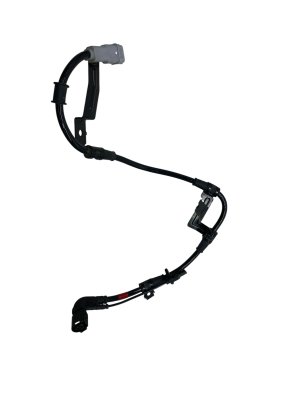
- The most critical factor is compatibility: Part number 59796-DO000 is for the right rear wheel on 2024-2025 EV9 models WITHOUT the Highway Driving Pilot (HDP) system.
- Primary symptoms of failure are the ABS, Traction Control (TCS), and Electronic Stability Control (ESC) warning lights illuminating on the dashboard.
- When buying a used harness, physical inspection is key. Look for any cuts, abrasions, or corrosion on the wires and connectors, as damage is a more likely cause of failure than mileage on these new vehicles.
- Replacement is a simple DIY task for most home mechanics and does not require any special software programming.
Symptoms of a Failing Right Rear ABS Harness
A problem with the ABS wiring harness will almost always trigger warning lights on your dashboard as the vehicle's main computer loses the signal from the wheel speed sensor. Because the EV9 is a new vehicle, failure is more likely to be caused by physical damage from road debris, improper service, or an accident rather than simple age-related wear.
- ABS Warning Light: The most common symptom is an illuminated ABS warning light on the instrument cluster.
- Traction Control/Stability Control Lights: The Electronic Stability Control (ESC) and Traction Control System (TCS) lights will also likely turn on, as these systems rely on the same wheel speed data. A fault in the ABS system will typically disable these features as well.
- Disabled Safety Systems: With the warning lights on, the ABS, traction control, and stability control systems will be deactivated. Your normal hydraulic brakes will still work, but the wheels can lock up during a hard stop, increasing stopping distances and reducing steering control.
- "Christmas Tree" Effect: Some early EV9 owners have reported multiple warning lights appearing at once for various systems. While this can sometimes indicate a broader software or module issue, a short circuit in a critical harness like the one for the ABS can contribute to this behavior.
Known Issues, Recalls, and Service Bulletins
As a new model, the 2024-2025 Kia EV9 has had several recalls and Technical Service Bulletins (TSBs) issued to address early production issues. While none specifically target the right rear ABS wiring harness, it's important to be aware of the vehicle's overall service history.
Pro Tip: Before purchasing any parts, always check for open recalls on your specific vehicle by entering its 17-digit Vehicle Identification Number (VIN) on the NHTSA website.
- NHTSA Recalls: The 2024-2025 EV9 has been subject to recalls for issues including improperly tightened differential bolts, software for the Remote Smart Parking Assist (RSPA) feature, inadequate headliner protection, and missing seat mounting bolts.
- Electrical System Complaints: A significant number of early owner complaints submitted to NHTSA for the EV9 are related to the electrical system. These reports include instrument panels going blank and various system malfunctions, highlighting the sensitivity of the vehicle's electronics. A wiring harness issue could be a root cause for such electrical faults.
- No Specific Harness Recall: To date, there are no specific recalls for the ABS wiring harness itself. Failures are treated as standard repairs.
Compatibility Warning: This harness, OEM part number 59796-DO000, is specified for the right rear wheel on 2024-2025 Kia EV9 models that are NOT equipped with the Highway Driving Pilot (HDP) system. HDP is Kia's advanced Level 3 semi-autonomous driving feature. Vehicles with HDP likely use a different and more complex sensor and harness configuration. Installing the wrong harness will result in system malfunctions. Always verify compatibility for your specific vehicle.
Buying a Used 2024-2025 EV9 ABS Harness
Since the EV9 is so new, any used ABS harness will have very low mileage. The primary concern isn't wear, but damage. Buying a used OEM harness is often a smart choice over aftermarket options (if any exist) because it guarantees perfect fitment of connectors and mounting clips.
What to Inspect Before You Buy:
- Connectors: Carefully inspect the plastic connectors on both ends. Look for cracked plastic, bent pins, or any signs of corrosion or water intrusion. The pins should be clean and straight.
- Wiring Loom: Check the entire length of the harness for any cuts, scrapes, or melted spots. Damage to the outer protective sheathing can let in moisture, leading to corrosion and wire failure.
- Mounting Points: Ensure all plastic clips and mounting tabs are present and intact. These clips secure the harness to the vehicle's body and suspension, preventing it from rubbing or getting snagged. Broken clips can lead to future damage.
- No Repairs: Avoid any harness that shows signs of being repaired, such as electrical tape splices or butt connectors. These repairs can introduce resistance and are not as reliable as the original factory wiring.
Cost Comparison
Replacing an individual wheel speed sensor harness is a relatively inexpensive repair. This should not be confused with replacing a main engine or body harness, which can cost thousands of dollars.
| Part or Service | Estimated Cost |
|---|---|
| New OEM Harness (Dealer) | $75 - $170 |
| New Aftermarket Harness | $20 - $60 |
| Used OEM Harness | $30 - $80 |
| Shop Labor | $125 - $225 |
Installation Overview
- Difficulty: 2 out of 5 (Easy to Moderate)
- Estimated Time: 0.5 - 1.0 hours
- DIY Feasible: Yes, for those with basic mechanical skills.
The replacement process is straightforward. After safely lifting and supporting the vehicle and removing the right rear wheel, the harness is typically visible. It connects to the ABS wheel speed sensor on one end and a body connector on the other. The process involves carefully unclipping the old harness from its mounting points, disconnecting both ends, and routing the new harness in the exact same path. No special programming or calibration is required after replacing the harness. Once installed, the ABS light may turn off on its own after a short drive, or you may need to clear the fault codes with an OBD-II scanner.
Frequently Asked Questions (FAQ)
Can I drive my EV9 with a bad ABS harness?
Yes, but with caution. Your primary braking system will still function, but you will not have anti-lock brakes, traction control, or stability control. This means your wheels can lock up during a panic stop, especially on wet or slippery surfaces, increasing the risk of a skid.
What is the difference between the ABS sensor and the ABS harness?
They are two separate but connected parts. The ABS wheel speed sensor is a small sensor mounted at the wheel hub that generates the speed signal. The ABS wiring harness is the cable that carries that signal from the sensor to the car's computer. They can fail independently of each other.
How do I know if my EV9 has Highway Driving Pilot (HDP)?
Highway Driving Pilot is a specific, high-level driver assistance package. The easiest way to confirm is by checking your vehicle's original window sticker or feature list. The GT-Line is the trim most likely to offer advanced features, but you should always verify your specific vehicle's configuration before ordering parts.
Can I use a harness from the left side on the right side?
No. Harnesses are designed for specific corners of the vehicle. They have different lengths, shapes, and mounting clip locations to fit correctly. You must use the correct part for the right rear position.
Technical Specifications
OEM Part Numbers: 59796-DO000
Position: Right Rear. Compatibility: For models without Highway Driving Pilot (HDP).
We Have This Part in Stock

The information in this article is provided for general reference and educational purposes only. Vehicle specifications, procedures, and part compatibility can vary by production date, trim level, and region. Always consult your vehicle's factory service manual and verify part numbers before purchasing or performing repairs. Safety-critical components such as airbags, seat belts, and braking systems should be installed by a qualified professional.
- Kia EV9: