

2009-2016 Toyota Venza ABS Module: Warning Lights, Calibration, and Replacement
Diagnose the common ABS, VSC, and TRAC warning lights and understand the critical calibration steps required when replacing your Venza's ABS pump and module assembly.
- The ABS control module is sold as an integrated assembly with the hydraulic pump; you cannot buy just the electronic part from Toyota.
- After replacement, a 'Zero Point Calibration' is mandatory to make the VSC and TRAC systems work and turn off the warning lights.
- The most common symptom of failure is the combination of ABS, VSC, and TRAC lights appearing on the dashboard.
- Before replacing the module, always check the battery and alternator, as a charging system fault can cause identical warning lights.
Symptoms of a Failing ABS Control Module

When the ABS module in a 2009-2016 Toyota Venza begins to fail, it typically announces the problem with a distinct pattern of dashboard warnings. Because the module controls multiple systems, you will likely see more than just the ABS light.
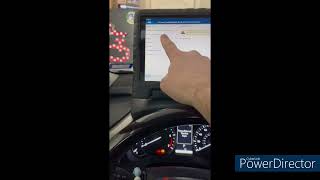
- ABS, VSC, and TRAC Lights On: The most common symptom is having the ABS, VSC (Vehicle Stability Control), and TRAC (Traction Control) warning lights all illuminate on the dashboard simultaneously. This indicates a fault has been detected in the shared control system. 🎬 Watch: See these dashboard warning lights in action.
- Unresponsive or Hard Brake Pedal: In some cases, the brake pedal may feel unusually stiff or require more effort to press, especially during sudden stops.
- Wheels Locking Up: The entire purpose of ABS is to prevent your wheels from locking and skidding during hard braking. If you feel the wheels lock up and the tires skid, the ABS system is not functioning.
- ABS Pump Constantly Running: You may hear a buzzing or humming sound from the ABS pump motor (located in the engine bay) that doesn't stop, even when the car is parked. This can indicate an internal failure in the module is causing it to run continuously.
Pro Tip: Before condemning the ABS module, check your vehicle's charging system. A failing alternator or a weak battery can cause voltage drops that trigger numerous, seemingly unrelated warning lights on the Venza, including the ABS, VSC, and battery lights. If your power steering also feels heavy and the radio cuts out, the alternator is the most likely culprit.
Known Issues, Recalls, and Technical Service Bulletins (TSBs)

While there are no widespread recalls specifically for the ABS module on the 2009-2016 Venza, Toyota has issued related service bulletins and there is one major safety recall for the wiring of another safety system.
- TSB T-SB-0031-12: Toyota issued this Technical Service Bulletin for some 2009-2011 Venza models that may exhibit ABS and VSC warning lights. This bulletin provides dealers with updated diagnostic and repair procedures.
- Water Intrusion in Wheel Speed Sensors: Forum discussions among owners indicate a known issue on 2009-2011 models where water can get into the rear ABS wheel speed sensors, causing erroneous signals and triggering the warning lights. This should be investigated before replacing the entire ABS module assembly. 🎬 See how to replace a faulty rear wheel speed sensor.
- Recall 21TA04 (NHTSA 21V-288): A safety recall was issued for 2009-2015 Venza models for a different issue. The wire harness for the driver's side door airbag sensor can fracture over time, causing the airbag warning light to turn on and potentially disabling the side and curtain airbags. While unrelated to the brakes, it's an important safety issue for owners to be aware of.
Warning: A replacement ABS module assembly—whether new or used—must undergo a 'Zero Point Calibration' procedure after installation. Failure to do so will leave the VSC/TRAC warning lights on and render the stability control system inoperative.
Programming and Zero Point Calibration

This is the most critical part of replacing the Venza's ABS module. While the module itself may not require VIN programming like in some other brands, it absolutely requires calibration to work with the vehicle's other safety sensors.
What is Zero Point Calibration?
Zero Point Calibration is a procedure that resets the learned values for the vehicle's yaw rate and deceleration sensors. These sensors tell the VSC system if the car is turning, sliding, or decelerating. When you replace the ABS module, the new unit has no reference point for what 'straight and level' is for your specific vehicle. The calibration process establishes this baseline.
How is it Performed?
- Toyota Techstream Software: The official method used by dealers and professional shops is with a diagnostic tool running Toyota's Techstream software. The technician navigates to the ABS/VSC menu and follows on-screen prompts to perform the calibration.
- Manual (Paperclip) Method: On many Toyota models of this era, it's possible to perform the calibration without a scan tool. This involves using a paperclip or jumper wire to connect specific pins (typically TS and CG) in the OBD-II port in a particular sequence to clear the old data and then learn the new zero point. This procedure must be followed exactly and should only be attempted by those comfortable with automotive electronics. 🎬 Watch: A step-by-step guide to performing the Zero Point Calibration.
Buying a Used 2009-2016 Venza ABS Module

Purchasing a used ABS module is a cost-effective way to fix your Venza, but careful selection is key. Since this part is critical for safety, you must ensure you get a compatible and functional unit.
- It's a Pump and Module Assembly: Remember, you are not buying just an electronic box. You are buying the entire ABS actuator and pump assembly, which includes the integrated control module.
- Match Part Numbers Exactly: This is the most important rule. There are several part numbers for this generation of Venza, and they are not all interchangeable. Your replacement unit MUST have the same OEM part number as the one you are removing. The primary numbers are 44050-0T010, 44050-0T012, and 44050-0T030. Note that 44050-0T012 is a direct replacement for 44050-0T010.
- Inspect for Damage: When you receive the part, carefully inspect the electrical connector pins to ensure none are bent or corroded. Check the body of the pump for any cracks or signs of leaking brake fluid.
- Why Used OEM is a Good Choice: For a complex electronic and hydraulic part like this, a used OEM unit is often a more reliable choice than a cheap, new aftermarket part. The OEM unit was built to Toyota's specifications and has the correct firmware to communicate with your vehicle's other systems, which is crucial for the Zero Point Calibration to work correctly.
Replacement Cost Breakdown
The cost to replace the ABS module assembly can vary significantly depending on whether you use new, used, or remanufactured parts and who performs the labor.
| Part Type | Estimated Cost |
|---|---|
| New OEM | $920 - $1,370 |
| New Aftermarket | Not commonly available |
| Used OEM | $150 - $450 |
| Remanufactured | $250 - $600 |
| Shop Labor (Replacement & Bleeding) | $250 - $400 |
| Shop Labor (Zero Point Calibration) | $100 - $170 |
Frequently Asked Questions (FAQ)
Can I drive my Venza with the ABS light on?
Yes, but with significant caution. When the ABS light is on, your car's primary hydraulic braking system will still function, but the anti-lock (ABS), traction control (TRAC), and stability control (VSC) safety features will be disabled. This means your wheels can lock up and skid during a panic stop, and the car will not assist you in controlling a slide. It is highly recommended to have the system repaired as soon as possible.
Is the ABS module the same as the ABS pump?
In the 2009-2016 Toyota Venza, the electronic ABS control module and the hydraulic ABS pump/actuator are sold as a single, integrated assembly from Toyota. You cannot purchase just the electronic portion from the dealer. They are replaced as one unit.
What is Zero Point Calibration and is it always necessary?
Zero Point Calibration is a mandatory procedure that teaches the new ABS/VSC module the vehicle's 'zero point' for its yaw rate and deceleration sensors. It is always required after replacing the ABS module assembly, performing a wheel alignment, or replacing certain suspension components. Without it, the VSC system cannot function correctly and the warning lights will remain on.
Do I have to go to a Toyota dealer for this repair?
Not necessarily, but it can be the simplest option. A Toyota dealer will have the correct parts and the Techstream software to guarantee a successful repair and calibration. However, a trusted independent shop with access to professional-grade diagnostic tools (like a high-end Snap-on or Autel scanner) can also replace the part and perform the Zero Point Calibration. A DIY replacement is possible for experienced mechanics, but it requires proper brake bleeding tools and a method to perform the calibration.
Helpful Videos

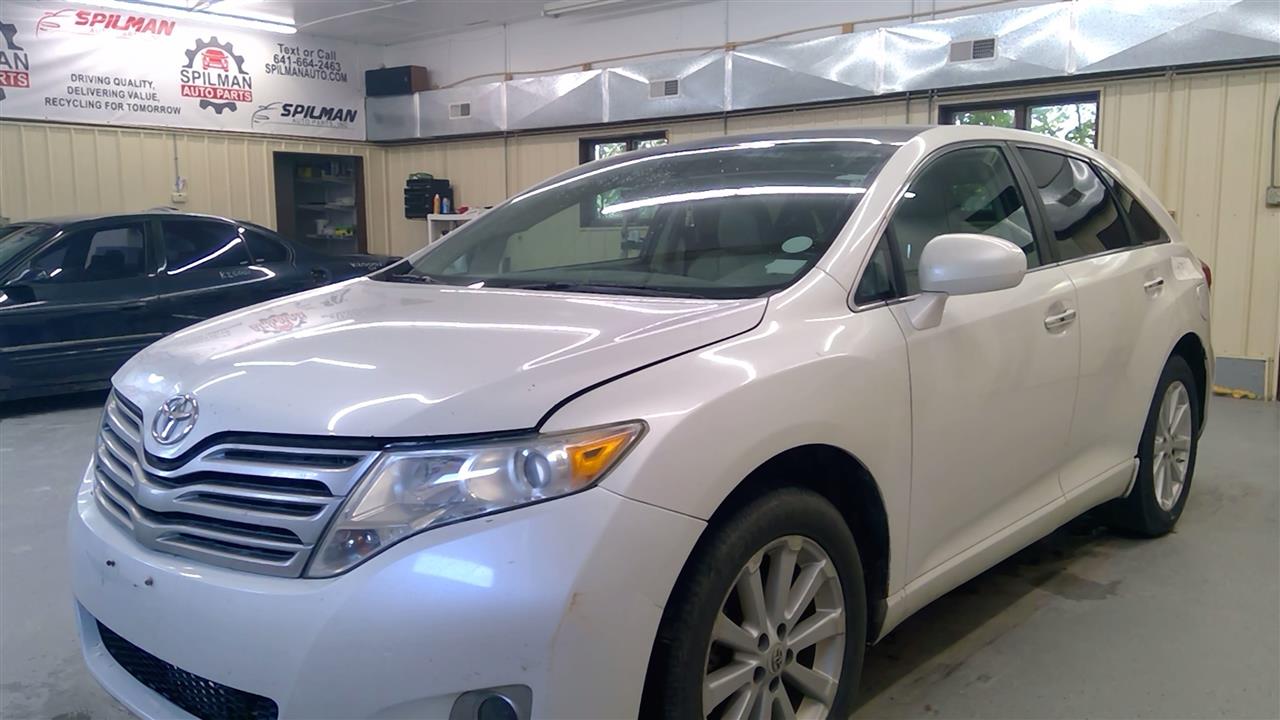
Technical Specifications
OEM Part Numbers: 44050-0T010 44050-0T012 44050-0T030 44050-0T021 44050-0T020
Integrated electronic control module and hydraulic pump/actuator assembly.
We Have This Part in Stock




The information in this article is provided for general reference and educational purposes only. Vehicle specifications, procedures, and part compatibility can vary by production date, trim level, and region. Always consult your vehicle's factory service manual and verify part numbers before purchasing or performing repairs. Safety-critical components such as airbags, seat belts, and braking systems should be installed by a qualified professional.
- Toyota Venza: