

2019-2025 Corolla ABS Module: Programming, Part Numbers & Variants Explained
This guide decodes the complex compatibility, mandatory programming, and common failure points of the E210 Corolla's anti-lock brake system.
- Compatibility is extremely specific. You MUST match the OEM part number from your old module exactly. Variants exist for sedan/hatchback, engine type, and electronic vs. manual parking brakes.
- Programming is NOT optional. A replacement module (new or used) requires programming and Zero Point Calibration with Toyota's Techstream software or a compatible high-end scan tool to function.
- A bad module disables ABS, traction control, and stability control. While your base brakes will still work, these critical safety features will be inoperative.
- Buying a used OEM module can save over $800 compared to a new dealer part, but it's crucial to source it from a reputable recycler with a warranty.
Symptoms of a Failing ABS Control Module

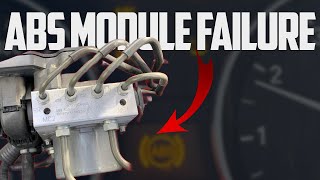
A failing ABS module will almost always make its presence known by illuminating one or more warning lights on your dashboard. Because the module controls multiple systems, you may see more than just the ABS light.
- ABS Warning Light: This is the most common and direct indicator of a problem within the anti-lock braking system.
- Traction Control (TRAC) or VSC Light: Since the same module controls these systems, a fault in the ABS unit can disable them, triggering their respective warning lights.
- Brake Warning Light: In some cases, a general brake system warning light may also illuminate.
- Wheels Locking Up: The primary symptom during driving is the failure of the ABS system itself. During a hard stop, especially on a wet or loose surface, the wheels may lock up and skid, which is what the system is designed to prevent.
- Unusual Brake Pedal Feel: The brake pedal may feel unusually hard or stiff, as the module's ability to modulate hydraulic pressure is compromised.
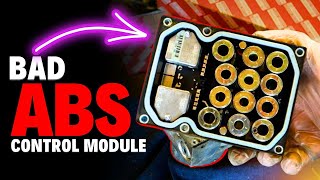
- Inaccurate or Dead Speedometer: In many modern cars, the ABS module processes data from the wheel speed sensors to provide a vehicle speed reading to the instrument cluster. A complete module failure can result in the speedometer showing an incorrect speed or not working at all. 🎬 Watch: 6 common symptoms of a failing ABS control module
Common diagnostic trouble codes (DTCs) associated with a failing ABS module include:
| Code | Description |
|---|---|
| U0121 | Lost Communication With Anti-Lock Brake System (ABS) Control Module. This is a very common code pointing to a module failure or wiring issue. |
| C1241 | Low or High Power Supply Voltage. This can indicate an internal electronic failure within the module. |
| C1425 | Open in Stop Light Switch Circuit. While this can be a faulty switch, it can also be flagged by a malfunctioning ABS module. |
| C1290 | Steering Angle Sensor Zero Point Calibration Undone. This code often appears after a module replacement if the mandatory calibration procedure has not been performed. |
Known Issues, Recalls, and Technical Service Bulletins (TSBs)

While the 12th generation Corolla is generally reliable, there has been a notable recall that involves the ABS system's software, though not for the Corolla sedan or hatchback directly.
- Recall 24V708000 (Toyota #24TA11): This recall applies to 2023-2024 Toyota Corolla Cross Hybrid models. A software error in the skid control ECU (part of the ABS actuator assembly) can cause a loss of power brake assist when braking while cornering. This can lead to a hard brake pedal and increased stopping distances. The remedy is a software update performed by a Toyota dealer. While this recall does not cover the standard Corolla models, it highlights the critical role of software in the modern braking system.
- 2019 Corolla Brake Booster Pump Recall: Some early 2019 models were recalled for an issue with the brake booster pump which could fail and deactivate the Vehicle Stability Control system.
As of early 2026, there are no widespread, common failure patterns reported for the ABS module itself on the 2019-2025 Corolla sedan and hatchback models. Most issues are related to individual component failures rather than a systemic design flaw.
Understanding Toyota Corolla ABS Module Variants (2019-2025)

Warning: Part compatibility for the 2019-2025 Corolla ABS module is extremely specific. Ordering the wrong part will result in system malfunctions and warning lights. You must match the OEM part number from your original unit.
The ABS module, which is typically sold as a complete unit with the pump and hydraulic actuator, varies based on several factors:
- Model Type: Sedan vs. Hatchback
- Engine Type: 1.8L, 2.0L, or Hybrid
- Brake System: Models with a traditional parking brake versus those with an Electronic Parking Brake (EPB) use different modules.
- Market of Origin: Some parts are specified for US-built vehicles and are not compatible with Japan-built vehicles.
For example, part number 44050-02C40 is specified for US-built Corolla sedans with the electronic parking brake and non-hybrid engine. Part number 44050-12J33 fits certain 2023-2025 Corolla Hybrid models. These parts are not interchangeable. Always verify the part number on the failed unit before ordering a replacement.
Programming and Calibration: The Most Important Step

A replacement ABS control module, whether new or used, MUST be programmed and calibrated to the vehicle. This is not an optional step. Failure to perform these procedures will result in a non-functional system and persistent warning lights on the dash.
The process involves two main parts:
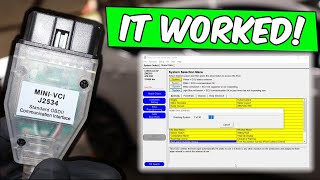
- ECU Communication & Programming: The new module needs to be registered with the vehicle's main computer network. This is typically done using Toyota's proprietary diagnostic software, Techstream. While some high-end professional scan tools may have this capability, the dealer-level software is the most reliable method. 🎬 Learn more about using Techstream software for Toyota diagnostics An independent shop that specializes in Toyota or has a subscription to Toyota's Technical Information System (TIS) can often perform this service.
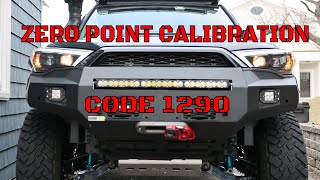
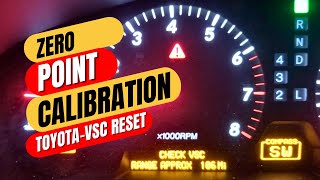
- Zero Point Calibration: After installation, the system's sensors must be calibrated. This procedure, known as "Zero Point Calibration," teaches the module the vehicle's baseline for the steering angle sensor, yaw rate sensor, and deceleration sensor. Without this calibration, the Vehicle Stability Control (VSC) system cannot function correctly and will set fault codes like C1290. 🎬 See how to perform a Zero Point Calibration in 10 steps This calibration must be done with the vehicle stationary on a perfectly level surface.
Pro Tip: While some older Toyota models allowed for a manual Zero Point Calibration using a paperclip to jump pins on the OBD-II port, this is not recommended or reliable for the 2019-2025 Corolla. Due to the complexity of the integrated safety systems, using the Techstream software is the correct and safest method.
A Buyer's Guide to Used 2019-2025 Corolla ABS Modules

Buying a used OEM ABS module can offer significant savings over a new unit, which can cost over $900 from the dealer. However, it's crucial to buy smart to avoid wasting time and money.
- Match the Part Number Exactly: This is the most important rule. Do not buy a module based on year and model alone. Physically inspect your car's existing module and write down the OEM part number printed on its label. Purchase a used unit with the identical number. Even a single digit difference can mean incompatibility.
- Inspect for Physical Damage: When the part arrives, check for any signs of damage. Look for cracks in the plastic housing, bent or corroded connector pins, and signs of heavy corrosion on the aluminum hydraulic block. Ensure the mounting brackets are intact.
- Source from a Reputable Recycler: Purchase from an auto recycler that offers a warranty. This provides protection in case the part is dead on arrival. A good seller will have tested the vehicle's electronics before dismantling.
- Why Used OEM is a Good Choice: For a complex electronic part like this, a used Original Equipment Manufacturer (OEM) part is often a better choice than a new, cheap aftermarket alternative. The OEM unit has been designed and tested specifically for your vehicle's software and hardware, ensuring proper integration once programmed.
Cost of Replacement
The cost can vary significantly based on the parts source and labor rates. The programming and brake bleeding procedure add to the labor time.
| Item | Estimated Cost | Notes |
|---|---|---|
| New OEM Part | $900 - $1,250 | Price from a Toyota dealership. |
| Used OEM Part | $150 - $400 | Price from online marketplaces and auto recyclers. Varies by part number and condition. |
| Remanufactured/Repair Service | $350 - $500 | Companies may offer a service to repair your existing module, which avoids compatibility issues. |
| Shop Labor | $110 - $250 | Includes physical replacement, brake fluid bleeding, and electronic programming/calibration. |
| Total Estimated Cost (Used Part) | $260 - $650 | Using a recycled OEM part provides the best value. |
| Total Estimated Cost (New Part) | $1,010 - $1,500+ | Using a new OEM part from the dealer. |
Frequently Asked Questions (FAQ)
Can I install a used ABS module myself?
While the physical replacement is possible for a skilled DIY mechanic, the mandatory software programming and Zero Point Calibration make this a difficult job to complete at home. You will need access to Toyota's Techstream software or a high-end professional scan tool with the correct capabilities. You will also need to properly bleed the brake system, which may require a scan tool to cycle the ABS pump. For most owners, it is recommended to have a qualified shop perform the installation and programming.
What happens if I install the module but don't program it?
The module will not work. The ABS, VSC, and TRAC systems will remain disabled, and the warning lights on your dashboard will stay on. The vehicle's main computer will not recognize the new hardware, and it may set communication error codes.
Is it safe to drive with a bad ABS module?
Your car's normal hydraulic brakes will still function, so you will be able to stop. However, you will NOT have the protection of the anti-lock braking, traction control, or stability control systems. This means your wheels can lock up during a panic stop, increasing the risk of skidding and losing steering control, especially on wet or slippery surfaces. It is highly recommended to get the system repaired as soon as possible.
How do I find the right part number for my Corolla?
The only 100% reliable way is to physically look at the module in your vehicle. It is a black plastic electronic module attached to a silver aluminum block with brake lines going into it, usually located in the engine bay. The part number is printed on a white sticker on the black plastic housing. Part numbers will typically start with 44050 or 44540.
Helpful Videos
Technical Specifications
OEM Part Numbers: 44050-12J33 4405002C40 4405002C50 4405012B70 4405012B80 4405012E60 4405012G30 4405012J30 4405012J31 4405012J32 4405012K81 4405012L20 4454002680
The ABS Control Module is sold as an assembly with the hydraulic pump and modulator. It requires connection to the vehicle's CAN bus network and must be programmed and calibrated after installation.
We Have This Part in Stock



The information in this article is provided for general reference and educational purposes only. Vehicle specifications, procedures, and part compatibility can vary by production date, trim level, and region. Always consult your vehicle's factory service manual and verify part numbers before purchasing or performing repairs. Safety-critical components such as airbags, seat belts, and braking systems should be installed by a qualified professional.
- Toyota Corolla:
- 🎬 Helpful Videos
- 🛍️ Shop This Part
- Symptoms of a Failing ABS Control Module
- Known Issues, Recalls, and Technical Service Bulletins (TSBs)
- Understanding Toyota Corolla ABS Module Variants (2019-2025)
- Programming and Calibration: The Most Important Step
- A Buyer's Guide to Used 2019-2025 Corolla ABS Modules
- Cost of Replacement
- Frequently Asked Questions (FAQ)
- 🎟️ Get 5% Off