

2016-2024 4Runner ABS Module: Hydraulic vs. Vacuum Systems & Calibration Guide
This guide explains the critical differences between 4Runner ABS units, common failure codes, and the mandatory Zero Point Calibration required after replacement.
- The single most important factor is identifying your brake system: 4WD models use a complex hydraulic booster assembly, while 2WD models use a simpler vacuum booster system. They are not interchangeable.
- After replacing the ABS assembly, a "Zero Point Calibration" is mandatory. If this step is skipped, your VSC and TRAC warning lights will not turn off.
- Common failure symptoms include the ABS/VSC/TRAC lights being on and, for 4WD models, a pump motor that constantly runs or buzzes.
- Buying a used OEM assembly can save over 50% compared to a new part and is often more reliable than aftermarket alternatives.
The #1 Buyer Mistake: Hydraulic vs. Vacuum Brake Systems
Before buying an ABS module for a 2016-2024 Toyota 4Runner, you must identify which brake system your vehicle has. There are two completely different systems, and the parts are not interchangeable. Installing the wrong one will not work.
Hydraulic Brake Booster System (4WD Models)
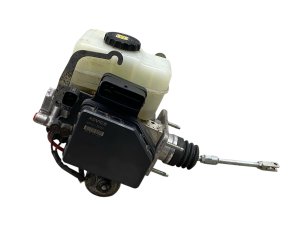
If your 4Runner is a 4x4 model (SR5 4x4, TRD Off-Road, TRD Pro, Limited), it uses an electro-hydraulic brake booster. This is a large, complex assembly that combines the master cylinder, electric pump, pressure accumulator, and the ABS control module into a single unit. This system is necessary to provide the consistent, high-pressure braking force required for advanced off-road traction systems like A-TRAC. Failures in this unit are common and often involve the electric motor or internal pressure issues.
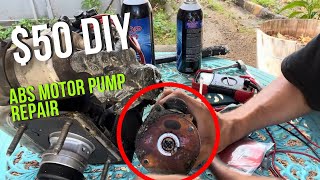
🎬 Watch: Step-by-step guide to diagnosing and replacing your ABS module.- Fits: 4WD models (SR5 4x4, TRD trims, Limited).
- Part Numbers: Typically begin with 47050-XXXXX, such as 47050-35165.
- Appearance: A large, single block of components with a visible electric motor and pressure accumulator (a black sphere). It does not have a large, round, black vacuum booster on the firewall.
Vacuum Brake Booster System (2WD Models)
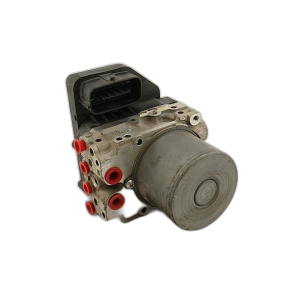
If your 4Runner is a 2WD model (often an SR5), it uses a traditional vacuum brake booster. This is a more conventional setup where the ABS actuator/module is a separate component from the master cylinder and the large, round vacuum booster it's bolted to. This system is simpler and less expensive than the hydraulic unit.
- Fits: 2WD models only.
- Part Numbers: The ABS actuator assembly typically begins with 44050-XXXXX, such as 44050-35070.
- Appearance: You will see a large, round, black disc (the vacuum booster) mounted to the firewall, with the brake master cylinder attached to it. The ABS actuator is a separate metal block with brake lines and an electrical connector.
Warning: Always visually confirm which system your vehicle has before ordering. The most common mistake is buying a vacuum-type actuator for a 4WD vehicle, or vice-versa. They are not cross-compatible.
Symptoms of a Failing ABS Module Assembly
A failing ABS unit will almost always alert you with dashboard warning lights. Because the ABS, VSC, and TRAC systems are integrated, a fault in one often disables all three.
- ABS, VSC, and TRAC Lights On: This is the most common symptom. A fault in the ABS system will cause the vehicle's computer to disable the stability and traction control systems as a precaution.
- Constant Buzzing or Pump Motor Running: On 4WD models with the hydraulic booster, a common failure is the electric pump motor running continuously, even when the brake pedal is not pressed. You may hear a buzzing or humming from the engine bay after shutting the vehicle off.
- Unresponsive or Hard Brake Pedal: The pedal may feel unusually hard to press, or in some cases, feel spongy and unresponsive, requiring more effort to stop the vehicle.
- Wheels Locking Up: The entire point of ABS is to prevent your wheels from locking and skidding. If your wheels lock up during a hard stop, the ABS system is not functioning.
- Inaccurate Speedometer: In some cases, a failing ABS module can affect the speedometer reading, as the module processes data from the wheel speed sensors.
Common Diagnostic Trouble Codes (DTCs)
If you scan the vehicle with an OBD-II scanner capable of reading ABS codes, you may find one or more of the following, especially on 4WD models:
- C1223: ABS Control System Malfunction
- C1241: Low or Abnormally High Battery Voltage
- C1251: Pump Motor Locked / Open Circuit
- C1252 / C1253: Hydro Booster Pump Motor / Relay Malfunction
- C1256: Accumulator Low Pressure
A combination of these codes almost always points to a failure of the integrated hydraulic booster assembly.
Replacement and Calibration Requirements
Replacing the ABS module assembly is a job for an advanced DIYer or a professional shop. It requires opening the sealed brake hydraulic system, which means the brakes must be thoroughly bled after installation. The hydraulic system on 4WD models can be particularly difficult to bleed without a diagnostic scan tool to cycle the ABS pump.
Mandatory: Zero Point Calibration
After the new or used ABS assembly is installed, it must be calibrated. This procedure is called "Zero Point Calibration." It teaches the system the vehicle's baseline for the yaw rate sensor, deceleration sensor, and steering angle sensor. If you skip this step, the VSC and TRAC lights will remain on, and the systems will not work correctly.
There are two methods for performing the calibration:
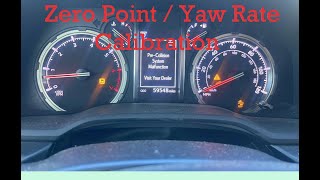
- Toyota Techstream Software (All Years): This is the dealership method. A technician connects a laptop with Techstream software to the vehicle's OBD-II port and follows the utility prompts for "Reset Memory" and "Test Mode" (for yaw rate calibration). This is the only method for 2020 and newer 4Runners. 🎬 See how to perform a Techstream Zero Point Calibration.
- Jumper Wire Method (Approx. 2016-2019): On some earlier models, you can perform the calibration without a scan tool. This involves using a paperclip or short wire to connect specific terminals in the OBD-II port (typically pins 4 and 12 or 4 and 14) in a specific sequence to clear the old data and learn the new zero point. This procedure must be done carefully on a level surface. 🎬 Watch: How to clear VSC and TRAC lights manually.
Pro Tip: Many independent shops with professional-grade scan tools (like Snap-on or Autel) can perform the Zero Point Calibration. You do not necessarily need to go to a Toyota dealer.
Buying a Used ABS Control Module
Given the high cost of a new OEM ABS assembly, a used unit from a reputable recycler is a smart, cost-effective option. These are the same reliable OEM parts, just with some previous mileage.
- Verify the System Type: This is the most important step. Get a photo of the part you are buying and compare it to the one in your engine bay. Make sure you are buying a hydraulic assembly for a 4WD or a vacuum-type actuator for a 2WD.
- Match the Part Number: While there can be some variation, matching the OEM part number is the best way to ensure compatibility. Provide the seller with your vehicle's VIN to help them confirm the fitment.
- Inspect for Damage: When you receive the part, inspect it for any physical damage, especially to the electrical connectors and brake line ports. Ensure there are no signs of heavy corrosion or fluid leaks.
- Why Used OEM is a Good Choice: For a complex electronic and hydraulic part like this, a used OEM unit is often more reliable than a new, cheap aftermarket alternative. The original Toyota engineering and quality control are built-in. A used unit has a proven track record, unlike an unproven aftermarket part that may have software or material quality issues.
Cost Breakdown
Prices can vary, but here is a general estimate of what to expect. The biggest factor is whether you have the 2WD vacuum system or the more expensive 4WD hydraulic system.
| Part Type | Estimated Cost | Notes |
|---|---|---|
| New OEM (Hydraulic 4WD) | $1,300 - $1,900 | Part only. This is for the complete assembly. |
| New OEM (Vacuum 2WD) | $950 - $1,200 | Part only. This is for the actuator assembly. |
| Used OEM | $400 - $800 | Significant savings. Price depends on vehicle mileage and part condition. |
| Shop Labor | $300 - $600 | Includes installation, bleeding the brake system, and performing the Zero Point Calibration. |
Frequently Asked Questions (FAQ)
Do I have to program a replacement ABS module to my 4Runner?
The main requirement is not programming, but calibration. You must perform a "Zero Point Calibration" after installation. This procedure syncs the new module with the vehicle's sensors. Without it, the VSC and TRAC warning lights will stay on.
What is Zero Point Calibration?
It's a procedure that resets and records the neutral position of the steering angle, yaw rate, and deceleration sensors. The ABS/VSC system uses this baseline data to detect a skid or loss of traction. It must be performed anytime the ABS assembly is replaced or when suspension components are changed.
Can I drive my 4Runner with a bad ABS module?
Yes, but with significant risks. Your standard brakes should still function, but you will not have Anti-lock Brakes (ABS), Vehicle Stability Control (VSC), or Traction Control (TRAC). This means your wheels can lock up during a hard stop, and the vehicle will not assist you in a skid. It is highly recommended to get the system repaired as soon as possible.
Why are my ABS, VSC, and TRAC lights all on at the same time?
These three systems are all controlled by the same computer module and share many of the same sensors. When the computer detects a fault in the ABS system—such as a bad pump motor or sensor—it automatically disables the VSC and TRAC systems as a safety measure because it can no longer trust the data it's receiving.
Helpful Videos
Technical Specifications
OEM Part Numbers: 47050-35165 47050-35230 44050-35070 44540-35010 89541-35190
System type is dependent on drivetrain. 4WD models use an electro-hydraulic booster assembly. 2WD models use a vacuum booster with a separate ABS actuator.
We Have This Part in Stock



The information in this article is provided for general reference and educational purposes only. Vehicle specifications, procedures, and part compatibility can vary by production date, trim level, and region. Always consult your vehicle's factory service manual and verify part numbers before purchasing or performing repairs. Safety-critical components such as airbags, seat belts, and braking systems should be installed by a qualified professional.
- Toyota 4Runner:
- 🎬 Helpful Videos
- 🛍️ Shop This Part
- The #1 Buyer Mistake: Hydraulic vs. Vacuum Brake Systems
- Hydraulic Brake Booster System (4WD Models)
- Vacuum Brake Booster System (2WD Models)
- Symptoms of a Failing ABS Module Assembly
- Common Diagnostic Trouble Codes (DTCs)
- Replacement and Calibration Requirements
- Mandatory: Zero Point Calibration
- Buying a Used ABS Control Module
- Cost Breakdown
- Frequently Asked Questions (FAQ)
- 🎟️ Get 5% Off