

2008-2009 Scion xD & Toyota Ist ABS Module: VSC vs. Non-VSC and Calibration Guide
This guide covers the critical differences between ABS modules for the Scion xD and Toyota Ist, focusing on the essential Vehicle Stability Control (VSC) option and post-installation calibration.
- You MUST match the part based on whether your vehicle has Vehicle Stability Control (VSC); the modules are not interchangeable.
- The most common cause of an ABS light on these cars is corroded rear wheel speed sensor connectors, not a failed module. Diagnose this first.
- After replacement, a Zero Point Calibration is REQUIRED. This can be done with a scan tool or a specific manual procedure.
- A new OEM module costs over $750, making a verified used OEM part a much more economical choice.
Symptoms of a Failing ABS Control Module
A failing ABS module can cause several noticeable issues. While some symptoms are just warning lights, others can affect braking performance and safety.
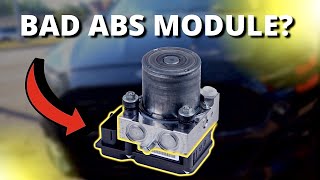
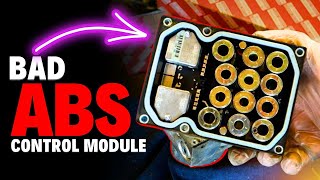
🎬 Watch: Learn the top symptoms of a bad ABS module- ABS Warning Light On: This is the most common symptom. The dashboard will display a constant ABS light, indicating a fault within the system.
- Brake Warning Light On: Often, the primary red 'BRAKE' warning light will illuminate along with the ABS light, especially if the failure is significant.
- Traction Control/VSC Light On: On models equipped with Vehicle Stability Control (VSC), the 'VSC' or 'slip indicator' light may also turn on, as these systems are interconnected.
- Brakes Locking Up: The entire purpose of ABS is to prevent wheel lock-up. If the module fails, the system is disabled, and your wheels can lock and skid during hard braking, just like in an older vehicle without ABS.
- Inconsistent or Hard Brake Pedal: The brake pedal might feel unusually hard or require more effort to press.
- Inaccurate Speedometer: Since the ABS system uses wheel speed data, a module failure can sometimes affect the speedometer reading.
Common Diagnostic Trouble Codes (DTCs)
While a generic code reader may not be able to read ABS codes, a more advanced scanner can pinpoint the issue. Common codes related to ABS problems on these vehicles include:
| Code | Description |
|---|---|
| C0210 / C0215 | Rear Speed Sensor Circuit (Right / Left). While these codes point to sensors, they are often caused by corrosion at the sensor connector, a very common issue in these cars. |
| C1210 / C1336 | Zero Point Calibration of Yaw Rate / Acceleration Sensor Undone. These codes indicate a calibration issue, which often appears after a part replacement if the final steps are skipped. |
| U0121 | Lost Communication with ABS Control Module. This code suggests a deeper electrical failure or a complete module failure. |
Known Issues, Recalls, and Service Bulletins
While there are no recalls specifically for the ABS control module on the 2008-2009 Scion xD, there are related issues and one important safety recall to be aware of.
- Safety Recall 09V-338000 (NHTSA ID): Affects certain 2008-2009 Scion xD vehicles operated in cold-weather states. Moisture from a crankcase ventilation port could freeze and block the brake booster vacuum port, leading to a gradual loss of power brake assist. This is not an ABS module failure but can result in increased braking effort. The fix involves a dealer-installed redesigned intake air connector.
- Rear Wheel Speed Sensor Corrosion: A very common issue is not the module itself, but the wiring connectors for the rear wheel speed sensors. They are susceptible to moisture and salt intrusion, causing corrosion that disrupts the sensor signal and triggers the ABS light. Often, cleaning the connectors and applying dielectric grease can fix the problem, though sometimes the sensor pigtail or the entire rear hub (which includes the sensor) needs replacement. 🎬 See how to fix the rear wheel speed sensor connector
- TSB S-SB-0031-09: This Technical Service Bulletin addresses an issue on some Scion vehicles where multiple warning lights illuminate and accessories become inoperative after the vehicle is left in sub-freezing temperatures. This points to a potential electrical system sensitivity in cold weather that could be misdiagnosed as a module failure.
Compatibility Check: The Most Important Step
Before purchasing a replacement ABS module, you MUST verify compatibility. Installing the wrong part will not work and can be a waste of time and money.
Vehicle Stability Control (VSC) vs. Non-VSC
Warning: The single most critical factor is whether your Scion xD has Vehicle Stability Control (VSC). The ABS modules are different and are not interchangeable. The Toyota Ist, being the Japanese market version of the xD, has similar option packages.
VSC was an optional, and reportedly rare, feature on the 2008-2009 Scion xD. Vehicles with VSC have a more advanced ABS system that can brake individual wheels to prevent skids during cornering. Vehicles without VSC have a standard ABS system only.
How to check if you have VSC:
- Look for a "VSC OFF" button on your dashboard, typically to the left of the steering column. If you have this button, you have VSC.
- When you turn the ignition key to the 'ON' position, a "VSC" indicator light should briefly illuminate on the instrument cluster as part of the system self-check.
The primary part number for models WITHOUT VSC is 44050-52800. This is the most common module. If your vehicle has VSC, you will need a different part number.
Buying a Used ABS Control Module: What to Look For
A used OEM ABS module can be a cost-effective solution, often saving hundreds of dollars compared to a new unit. Here’s what to inspect:
- Verify the Part Number: This is non-negotiable. The part number on the replacement module must match the number on your original part. The main number to look for is 44050-52800 for non-VSC models.
- Check for Corrosion: Inspect the aluminum housing for heavy white oxidation and the electrical connector pins for any green or white crust. Minor cosmetic blemishes are okay, but heavy corrosion suggests it was exposed to the elements.
- Inspect the Connectors: Ensure the main electrical connector and the brake line ports are clean and undamaged. Bent pins or stripped brake line threads are major red flags.
- Ask About the Donor Vehicle: If possible, find out the mileage of the vehicle the part came from. Lower mileage is always better, but these units are generally robust. Also, confirm the donor vehicle did not have VSC if you are buying a 44050-52800 module.
Programming and Calibration After Installation
This is a critical step for Toyota and Scion vehicles of this era. While the module itself may not require VIN programming like on some other brands, it does require a Zero Point Calibration.
Pro Tip: Failure to perform the Zero Point Calibration is a common reason for ABS, VSC, and Brake lights to remain on after installing a new or used module.
Zero Point Calibration is a procedure that resets and calibrates the steering angle, yaw rate, and deceleration sensors, which are essential for the ABS and stability systems to work correctly. This tells the system what "straight and level" is. The procedure can be done in two ways:
- With a Diagnostic Scan Tool: A professional-grade scanner (like Toyota's Techstream software) can initiate the calibration process through the vehicle's diagnostic menu. This is the most reliable method.
- Without a Scan Tool (Paperclip Method): It is possible to perform the calibration by jumping specific terminals in the OBD-II diagnostic port. This involves using a paperclip or wire to connect and disconnect terminals 12 (TS) and 4 (CG) in a specific sequence to clear old data and then initiate the new calibration. While effective, this should be done with extreme care to avoid shorting the wrong pins. 🎬 Watch: How to perform a zero point calibration
After installation, the brake system must also be thoroughly bled to remove any air. Some systems may require a scan tool to cycle the ABS pump to ensure all air is purged from the hydraulic unit.
Cost Comparison: New vs. Used
The cost of replacing an ABS module can vary significantly depending on the source of the part and labor rates.
| Item | Estimated Cost |
|---|---|
| New OEM Module | $750 - $970 |
| Used OEM Module | $75 - $250 |
| Remanufactured Module | $200 - $400 |
| Shop Labor (Installation & Bleeding) | $150 - $300 |
| Shop Labor (Calibration) | $80 - $130 |
Frequently Asked Questions (FAQ)
Do I have to replace the ABS module if the light is on?
Not always. The most common cause for the ABS light on a 2008-2009 Scion xD is corrosion in the rear wheel speed sensor connectors, not a failed module. Always diagnose the system properly before replacing the expensive module. Check for codes like C0210 and C0215 and inspect the rear sensor wiring first.
Is it safe to drive with a bad ABS module?
You can drive the vehicle, but you will not have anti-lock brake functionality. Your brakes will operate like a standard, non-ABS system. This means your wheels can lock up during a panic stop, increasing the risk of skidding and loss of control, especially on wet or icy roads. It is recommended to get the system repaired as soon as possible.
Does a used ABS module need to be programmed?
For this specific vehicle, it does not require VIN programming, but it absolutely requires a "Zero Point Calibration" after installation. Without this step, the warning lights will likely stay on, and the system will not function correctly. Any independent shop with a good quality scan tool or knowledge of Toyota procedures can perform this calibration.
What is the difference between the ABS module for a car with and without VSC?
The ABS module for a vehicle with Vehicle Stability Control (VSC) is more complex. It's designed to interact with steering angle and yaw rate sensors to control individual wheel brakes for stability. The non-VSC module only prevents wheel lockup during straight-line braking. The parts are physically different and have different software; they are not interchangeable.
Helpful Videos

Technical Specifications
OEM Part Numbers: 44050-52800 44050-52821
This module is for vehicles WITHOUT Vehicle Stability Control (VSC). It functions as a combined electronic control unit and hydraulic actuator.
We Have This Part in Stock


The information in this article is provided for general reference and educational purposes only. Vehicle specifications, procedures, and part compatibility can vary by production date, trim level, and region. Always consult your vehicle's factory service manual and verify part numbers before purchasing or performing repairs. Safety-critical components such as airbags, seat belts, and braking systems should be installed by a qualified professional.
- Scion xD:
- Toyota Ist:
- 🎬 Helpful Videos
- 🛍️ Shop This Part
- Symptoms of a Failing ABS Control Module
- Common Diagnostic Trouble Codes (DTCs)
- Known Issues, Recalls, and Service Bulletins
- Compatibility Check: The Most Important Step
- Vehicle Stability Control (VSC) vs. Non-VSC
- Buying a Used ABS Control Module: What to Look For
- Programming and Calibration After Installation
- Cost Comparison: New vs. Used
- Frequently Asked Questions (FAQ)
- 🎟️ Get 5% Off