

2010-2011 Saab 9-5 ABS Module: Failure Symptoms and Critical Programming Guide
A definitive guide to diagnosing common ABS faults, understanding replacement costs, and navigating the essential programming required for the second-generation Saab 9-5.
- A replacement ABS module for a 2010-2011 Saab 9-5 MUST be programmed by a dealer or qualified shop with GM/Saab-specific tools.
- This part is only for the second-generation 9-5, identifiable by a 'G' as the 4th digit of the VIN.
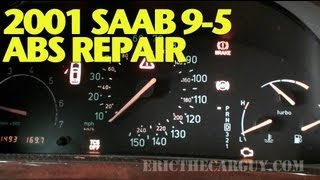
- The most common symptom of failure is the ABS and Traction Control lights on the dash, often with a P1625 diagnostic code.
- Driving is possible but unsafe, as anti-lock, traction, and stability control features will be disabled.
Vehicle Fitment and Generation Warning

Important: This ABS Control Module is specific to the second-generation 2010-2011 Saab 9-5, also known as the 9-5 NG. Before ordering, you must verify that the 4th digit of your Vehicle Identification Number (VIN) is 'G'. This part will not fit the first-generation (1999-2009) Saab 9-5 models.
Symptoms of a Failing ABS Control Module


A failing ABS module can present several distinct warnings on your dashboard. Because the module is tied into multiple safety systems, you will likely see more than one light illuminate.
- ABS, Traction Control, and Brake Warning Lights: The most common symptom is the illumination of the ABS and TCS/ESP warning lights on the instrument cluster.
- Unresponsive or Erratic Speedometer: In some cases, a failing ABS module can disrupt the speed signal, causing the speedometer to stop working or behave erratically.
- Diagnostic Trouble Codes (DTCs): A professional scan tool may reveal specific codes. A very common code for a communication failure with the module is P1625. Other related codes may point to faulty wheel speed sensors (e.g., C0035, C0040) or an internal brake pressure sensor fault (e.g., C0131), which can also be symptoms of an internal module failure.
- Loss of ABS and Traction Control: During a hard stop, you may notice the wheels lock up and skid, indicating the anti-lock function is not working. Similarly, the traction control will not intervene on slippery surfaces. Your standard hydraulic brakes will still function.
Known Issues, Recalls, and Technical Service Bulletins (TSBs)
As of early 2026, there are no specific recalls issued by the National Highway Traffic Safety Administration (NHTSA) for the ABS control module on the 2010-2011 Saab 9-5. While the 2010 model year, in particular, had a high number of general TSBs, none point to a widespread, recognized defect with the ABS module itself that prompted a specific service campaign. The most common failures appear to be age-related electronic issues, such as internal solder joint cracks leading to communication errors (P1625), rather than a design or manufacturing defect covered by a recall.
Programming and Installation: The Most Critical Step

Warning: A replacement ABS Control Module for a 2010-2011 Saab 9-5 MUST BE PROGRAMMED to the vehicle. This is not a plug-and-play part. Failure to program the module will result in it not functioning and continued warning lights.
The official Saab Workshop Information System (WIS) specifies a multi-step process that requires a scan tool with access to the GM/Saab Service Programming System (SPS). 🎬 See this explanation of Saab programming terms and software tools. The procedure involves:
- Programming: Flashing the module with the correct software for the vehicle.
- Configuration & Setup: Configuring the module to the specific options and VIN of your car.
This process is necessary whether you are installing a brand new unit or a used one. A used module retains the VIN and configuration from its donor vehicle, which will conflict with your car's systems.
Pro Tip: While a Saab/GM dealership can certainly perform the programming, many independent shops specializing in European vehicles or those with a GM MDI (Multiple Diagnostic Interface) or Tech 2 scan tool and a subscription to the SPS software should also be able to complete the job. Always confirm with the shop beforehand that they have the specific capability to program modules for this platform.
Buying a Used ABS Control Module
Given the high cost of a new OEM module, a used unit from a reputable recycler is an excellent value. Here’s what to look for:
- Verify the Part Number: Match the part number on your original module to the replacement. Common part numbers include 13291987, 13321113, and 13332549.
- Inspect the Connectors: Check the electrical connector pins on the used module. They should be clean, straight, and free of any green or white corrosion, which indicates water damage.
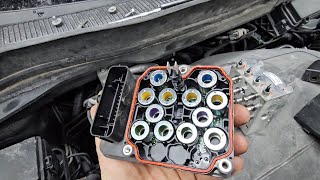
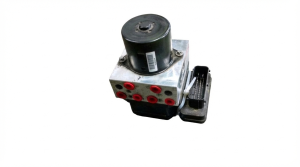
- Pump vs. Module: The ABS unit consists of a hydraulic pump and an electronic module. They can often be separated by removing six Torx screws. If you are certain your pump is good, you can save money by just replacing the electronic module. This also avoids the need to open the brake hydraulic system and bleed the brakes.
- Source and Warranty: Purchase from a seller who offers a warranty. This protects you in case the used module is also faulty.
Cost Comparison for ABS Module Replacement
| Part Type | Estimated Cost | Notes |
|---|---|---|
| New OEM | $1,200 - $2,000 | Purchased from a dealership. Guarantees compatibility but is the most expensive option. |
| New Aftermarket | $500 - $800 | Availability can be limited for this specific model. Quality may vary. |
| Used OEM | $75 - $250 | Best value. Ensure you match part numbers and buy from a warrantied source. |
| Remanufactured (Original) | $200 - $400 | You send your own module for repair. This avoids programming issues as the original configuration is retained. |
| Shop Labor (Replacement & Programming) | $200 - $400 | Estimated 1.5-2.5 hours. This includes physical replacement and the crucial programming step. |
Frequently Asked Questions (FAQ)
Does a used ABS module need to be programmed?
Yes, absolutely. Any replacement module, new or used, must be programmed to your car's VIN and specific configuration using a compatible professional scan tool. Without this step, it will not work.
Can I drive my Saab 9-5 with a bad ABS module?
Yes, but with significant safety limitations. Your standard hydraulic brakes will still work, but you will not have anti-lock braking, traction control, or stability control. This means your wheels can lock up in an emergency stop, increasing the risk of skidding and losing control, especially on wet or loose surfaces. It is strongly recommended to get the issue repaired promptly.
Is it difficult to replace the ABS module myself?
The physical replacement is straightforward for a DIY mechanic. It involves moving the fuse box to gain access 🎬 Watch this video for a step-by-step ABS module removal guide. and removing six Torx screws and two electrical connectors. However, the final programming step requires specialized tools and software, so you will still need to visit a qualified shop to make the part functional.
Will replacing a wheel speed sensor fix my ABS light?
It might. If a diagnostic scan shows a code for a specific wheel speed sensor (like C0035), that sensor is the likely culprit. However, if the code is for module communication (like P1625) or multiple unrelated sensor faults appear at once, the ABS module itself is the more probable cause.
Helpful Videos
Technical Specifications
OEM Part Numbers: 13291987 13321113 13332549
The electronic module is attached to the hydraulic pump assembly with six T20 Torx screws.
We Have This Part in Stock

The information in this article is provided for general reference and educational purposes only. Vehicle specifications, procedures, and part compatibility can vary by production date, trim level, and region. Always consult your vehicle's factory service manual and verify part numbers before purchasing or performing repairs. Safety-critical components such as airbags, seat belts, and braking systems should be installed by a qualified professional.
- Saab 9-5:
- 🎬 Helpful Videos
- 🛍️ Shop This Part
- Vehicle Fitment and Generation Warning
- Symptoms of a Failing ABS Control Module
- Known Issues, Recalls, and Technical Service Bulletins (TSBs)
- Programming and Installation: The Most Critical Step
- Buying a Used ABS Control Module
- Cost Comparison for ABS Module Replacement
- Frequently Asked Questions (FAQ)
- 🎟️ Get 5% Off