

2006-2011 Saab 9-3 ABS Module: Decoding the No-Start Problem and Warning Lights
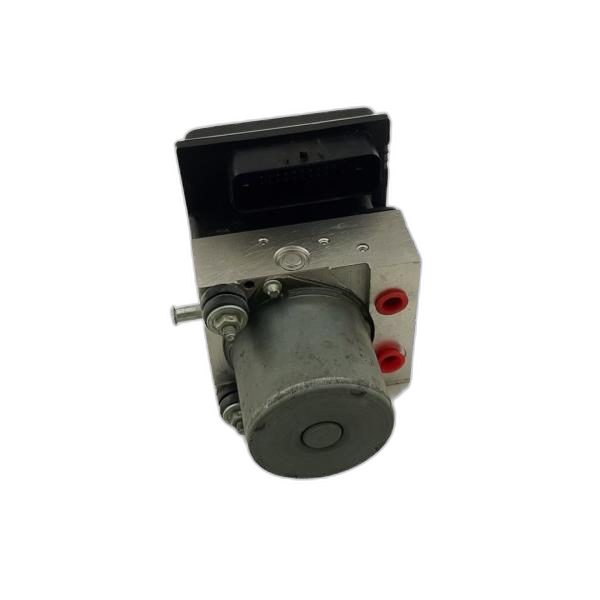
This guide explains the common failures of the ABS control module in 2006-2011 Saab 9-3s, including why it can prevent your car from starting, and how to correctly diagnose and replace it.
- A failed ABS module can cause a no-start condition by disrupting the car's communication network.
- This module fits ONLY FWD, 4-cylinder models with ESP but WITHOUT Hill Start Assist.
- Sending your original module for remanufacturing is often more reliable and cost-effective than buying a used one.
- A replacement module (used or remanufactured) MUST be programmed to the car with a Saab Tech 2 tool to function correctly.
Compatibility Warning: Read This First

Warning: This specific ABS control module and pump assembly fits only 2006-2011 Saab 9-3 models with Front-Wheel Drive (FWD) and a 4-cylinder engine. The vehicle must be equipped with Electronic Stability Control (ESP) but NOT have the optional Hill Start Assist. Installing the wrong module can result in non-functional safety systems and persistent warning lights. Always match the part number from your original module before purchasing a replacement.
Symptoms of a Failing Saab 9-3 ABS Module

A failing ABS module in this generation of Saab 9-3 can cause a range of confusing symptoms, from simple lights on the dash to a car that won't start at all.
- ABS, ESP/TCS Warning Lights: The most common symptom is the illumination of the "ABS", "TCS", "ESP", or "Stability Control Failure" message on the instrument cluster. This indicates the safety systems have been disabled due to a fault.
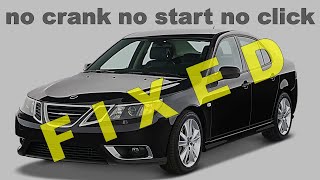
- No-Start Condition: A completely failed ABS module can prevent the car from starting. The module is a critical gateway on the car's communication network. When it fails, it can disrupt communication between the ignition switch, engine computer, and other vital systems, leading to a no-crank or no-start situation. Often, a fault code like U0212 (Lost Communication with ABS) will be present. 🎬 Watch: Troubleshooting a no-start condition caused by the ABS module.
- Intermittent Electrical Issues: Some owners report that hitting a bump can trigger the warning lights, or that tapping on the ABS module itself can temporarily fix the problem. This strongly points to a bad internal connection, such as a cracked solder joint.
- Gauges Freeze: During a failure event while driving, the speedometer and other gauges may freeze in place as communication is lost across the dashboard.
Diagnosing the Problem: Module, Sensor, or Wiring?


Before condemning the expensive module, it's important to rule out other, more common and cheaper problems. The ABS, ESP, and TCS lights can be triggered by several issues:
- Check for Trouble Codes: Use an OBD-II scanner that can read Saab-specific ABS/chassis codes. A basic scanner will often show "no codes" even when the ABS light is on. You need a more advanced tool, like a Tech 2 clone, to see codes like C0035 (wheel speed sensor fault) or U0212 (communication fault). A U-code pointing to loss of communication with the ABS module is a strong indicator the module itself is the problem.
- Inspect Wheel Speed Sensor Wiring: The wiring harness leading to the wheel speed sensors can become corroded or damaged, causing faults. A visual inspection of the wiring, especially where it flexes near the wheels, can reveal problems. A common issue is corrosion inside the harness connectors. 🎬 See how to inspect and repair common ABS wiring faults.
- Test the Wheel Speed Sensors: A faulty wheel speed sensor will disable the ABS/ESP system. A good scanner can show you the live speed reading from each of the four wheels. If one wheel consistently reads 0 mph while the others are moving, that sensor or its wiring is likely the culprit.
Pro Tip: The most common failure mode for the 2006-2011 Saab 9-3 ABS module is internal. Heat and vibration cause the solder joints connecting the main electrical plug to the circuit board to crack. This explains why symptoms can be intermittent and why tapping the module sometimes helps. Sending your original module to a specialist for remanufacturing is often the best and most reliable solution.
Known Issues, TSBs, and Recalls

There are no specific NHTSA recalls for the ABS control module on these vehicles. Most recalls for this era of 9-3 concern the Takata airbags.
However, there are Technical Service Bulletins (TSBs) that relate to ABS issues:
- NHTSA ID #10019241: This TSB addresses a condition where the ABS, red brake, and service lights are illuminated.
- Saab TSB 367-2061: This bulletin describes a procedure for adjusting the wiring harness at the ABS bracket, suggesting that wiring issues in this area are a known problem.
Buying a Used ABS Control Module
Purchasing a used ABS module for this vehicle requires careful consideration. While it can be a cost-effective option, there are significant risks.
- Remanufacturing is Often Better: The most common failure is a cracked solder joint inside the electronic module. A used module from a salvage yard likely has the same flaw and may fail soon. The best practice is to remove your original module and send it to a reputable remanufacturing service. They will repair the known weak points, test the unit, and typically offer a warranty. This is often more reliable than an unknown used part.
- Programming is Required: A replacement ABS module, whether used or remanufactured, must be programmed to your car's VIN using a Saab Tech 2 diagnostic tool. This process, often called "marrying," links the module to the car's security and other electronic systems. Without this step, the ESP functions may not work correctly, and you may have persistent communication errors.
- Physical Inspection: When buying a used module, inspect the case for any signs of being opened or tampered with. Check the large electrical connector pins for corrosion or damage.
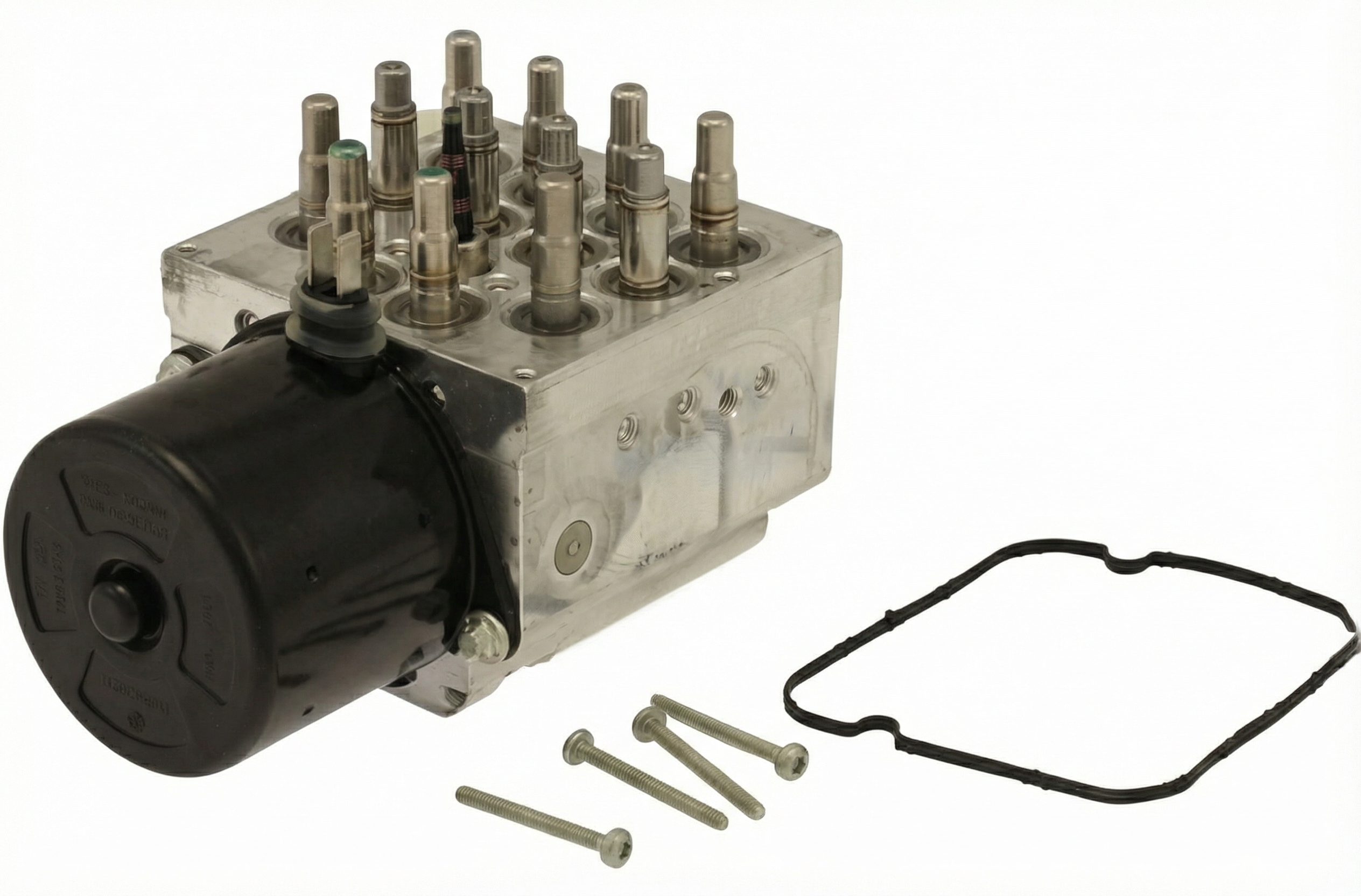
- Match Part Numbers Exactly: Ensure the part number on the replacement module matches your original. The two key part numbers are 93196759 for the electronic control unit and 93185682 for the hydraulic pump. Using a module with a different part number, even if it looks identical, will likely cause compatibility problems.
Cost Comparison
| Part Type | Estimated Cost |
|---|---|
| New OEM | $1000 - $2000+ |
| Remanufactured (Your Unit Repaired) | $150 - $400 |
| Used OEM (Salvage) | $100 - $250 |
| Shop Labor for Replacement & Programming | $150 - $300 |
Frequently Asked Questions (FAQ)
Does a replacement ABS module need to be programmed?
Yes. To ensure full functionality of the ABS, TCS, and especially the ESP system, a replacement module must be programmed or "married" to the vehicle using a Saab-specific Tech 2 diagnostic tool. 🎬 Learn more about using Tech 2 and SPS for programming. This links the module to your car's VIN and configuration. Failure to do so can result in warning lights and disabled safety features.
Can I replace just the electronic module without bleeding the brakes?
Yes. The electronic control module can be unbolted from the hydraulic pump assembly (valve block) without opening any brake lines. It is held on by six small Torx screws. This allows you to send the electronic part for repair or swap it with a replacement without needing to bleed the entire brake system, saving significant time and effort.
Is it safe to drive with the ABS light on?
You can drive the car, but with reduced safety. When the ABS light is on, your anti-lock braking, traction control, and stability control systems are disabled. Your brakes will still function like those on an older car without ABS, meaning the wheels can lock up during a hard stop, increasing stopping distances and causing a loss of steering control. It is strongly recommended to get the issue repaired as soon as possible.
Why won't my car start if the ABS module is bad?
The ABS module is an essential node on the car's CAN bus communication network. A severe internal failure can cause it to broadcast junk data or stop communicating entirely, which disrupts the entire network. This can prevent the Column Integration Module (CIM), Engine Control Unit (ECU), and ignition system from talking to each other, resulting in a no-crank or no-start condition.
Helpful Videos

Technical Specifications
OEM Part Numbers: 93196759 93185682 93185678 93190837
Fits 2006-2011 Saab 9-3 with 4-cylinder engine, Front-Wheel Drive (FWD), and Electronic Stability Program (ESP). Not for vehicles with Hill Start Assist.
We Have This Part in Stock


The information in this article is provided for general reference and educational purposes only. Vehicle specifications, procedures, and part compatibility can vary by production date, trim level, and region. Always consult your vehicle's factory service manual and verify part numbers before purchasing or performing repairs. Safety-critical components such as airbags, seat belts, and braking systems should be installed by a qualified professional.
- Saab 9-3: