

2007-2014 Nissan Maxima ABS Module Failure: VDC, Sport Package & Programming Explained
Diagnose common ABS, VDC, and SLIP light issues, and learn how to choose the correct used module for your specific Maxima trim level.
- Compatibility is critical. You must match the part number from your original module, as it varies based on options like Vehicle Dynamic Control (VDC) and the Sport Package (with paddle shifters).
- Programming is not optional. Any replacement ABS module (new or used) must be electronically configured to your car's VIN by a dealer or a properly equipped independent shop.
- Professional brake bleeding is required. After installation, a scan tool must be used to cycle the ABS pump to remove all air from the hydraulic unit; standard bleeding is not sufficient.
- For 2007 models, investigate TSB NTB07-016b. Corrosion on the rear knuckles can cause ABS sensor issues that mimic a failed module, so check this before replacing the entire unit.
Symptoms of a Failing ABS Module

A bad ABS module will almost always make its presence known with dashboard warning lights. Because the ABS, traction control (TCS), and stability control (VDC) systems are integrated, you will likely see multiple lights illuminate at once.
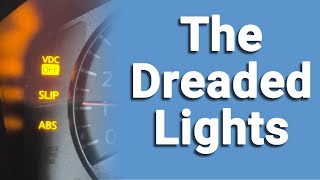
- ABS, VDC, and SLIP Lights On: 🎬 Watch: How to diagnose SLIP, VDC, and ABS warning lights This is the most common sign of a problem. The ABS computer runs a self-check every time you start the car, and if it detects an internal failure or a communication problem, it will turn on these lights and disable the systems.
- Unresponsive or Hard Brake Pedal: In some failure modes, the module can cause the brake pedal to feel unusually hard or unresponsive, requiring more effort to stop the vehicle.
- Wheels Locking Up: The entire point of ABS is to prevent your wheels from locking and skidding. If the module has failed, the anti-lock function will be disabled, and your wheels may lock up during a panic stop, especially on wet or slippery surfaces.
- Inaccurate Speedometer: In many modern cars, the ABS module relays wheel speed information to the instrument cluster. A failing module can sometimes cause the speedometer to read incorrectly or stop working altogether.
Common Diagnostic Trouble Codes (DTCs)
A professional scan tool that can read ABS system codes is necessary for proper diagnosis. Common codes pointing to a faulty module or its integrated pump include:
- C1110, C1111: Controller Failure. These codes often indicate an internal electronic fault within the ABS control unit itself.
- C0110: ABS Pump Motor Circuit Failure. This points to a problem with the electric motor that generates hydraulic pressure for the system.
- C1124, C1126: ABS Solenoid Faults. These codes relate to the individual solenoid valves that control brake fluid flow to each wheel.
- U0121: Lost Communication With ABS Module. This indicates a communication breakdown on the vehicle's data network, which can be caused by a completely dead module or a wiring issue.
Known Issues, Recalls, and Technical Service Bulletins

TSB for 2007 Models: Rear Knuckle Corrosion (NTB07-016b)
For 2007 Maxima models (and earlier A34 generation cars from 2004-2006), there is a well-documented issue where corrosion builds up on the rear steering knuckle where the ABS wheel speed sensor mounts. This corrosion can damage the sensor or push it out of alignment, causing it to send a bad signal to the ABS module. This can trigger ABS, SLIP, and VDC lights and store codes like C1105 (Rear Sensor) or even C1110 (Controller Failure). Before condemning the expensive ABS module on a 2007 model, it is critical to first inspect the rear wheel hubs and sensors for corrosion, as cleaning the knuckle and replacing the sensor may solve the problem.
Pro Tip: According to Nissan's technical service bulletin, the fix involves removing the rear hub and sensor, cleaning all corrosion from the knuckle, and grinding a small drainage notch to prevent water from accumulating in the future.
Brake Fluid Leak & Fire Risk Recall (For Later Models)
It is important to note that while it does not apply to the 2007-2014 generation, Nissan did issue a major safety recall (NHTSA Campaign R1916) for 2016-2018 Maximas. This recall was for an ABS actuator pump seal that could leak brake fluid onto the internal circuit board, creating a fire risk. If you see the ABS light stay on for more than 10 seconds in one of those affected vehicles, Nissan advises parking it outdoors away from structures immediately.
Understanding 2007-2014 Maxima ABS Module Variations

Compatibility is the single most important factor when buying a replacement ABS module. The correct part depends on your vehicle's year and specific options. The initial data provided for this guide highlights several key distinctions that determine which module you need.
- Vehicle Dynamic Control (VDC): The most significant option is whether your Maxima is equipped with VDC (stability control). Modules for VDC and non-VDC cars are not interchangeable.
- Sport Package / Paddle Shifters: For the 2009-2014 (A35 generation) Maxima, the Sport Package is a key differentiator. These models have steering wheel-mounted paddle shifters. If your car has paddle shifters, you need the module for the Sport Package. If it does not, you need the module for the base or SV trim without the Sport Package.
- Transmission Type: All Maximas in this generation came with a CVT automatic transmission, but some part fitment guides still specify this. The critical distinctions remain VDC and the Sport Package.
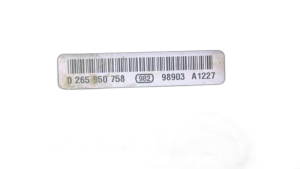
Warning: You MUST match the OEM part number from your original module. There is no reliable way to determine the correct part based on VIN alone without a dealer parts catalog. Physically inspect your old module and write down the number before ordering a replacement.
Buying a Used ABS Control Module
Given that a new OEM module can cost over $1,800, a used OEM module is a smart, cost-effective alternative. Recycled OEM parts are the same units your car was built with, ensuring proper fit and function once programmed.
- Match the Part Number Exactly: As detailed above, variations exist based on VDC and Sport Package options. The only way to guarantee compatibility is to match the part number from your original unit to the used one you are buying.
- Inspect for Corrosion: Check the aluminum housing for heavy oxidation and ensure the electrical connector pins are clean, straight, and free of any green or white corrosion.
- Check for Leaks: Inspect the area where the electronic module bolts to the hydraulic pump block. There should be no signs of brake fluid leakage.
- Source from a Reputable Seller: Purchase from a recycler that offers a warranty and has good reviews. This provides protection in case the part is faulty.
Programming and Installation Requirements

Warning: A replacement ABS control module, whether new or used, MUST be programmed to your vehicle. This is not a plug-and-play part.
Modern ABS modules are tied to the vehicle's VIN and must be configured to communicate with the Engine Control Module (ECM), Transmission Control Module (TCM), and other systems. Failure to program the module will result in the ABS/VDC/SLIP lights staying on, and the safety systems will not function.
Who Can Program the Module?
This procedure requires a professional-grade diagnostic tool. Your options are:
- A Nissan dealership using their CONSULT scan tool.
- An independent repair shop that has a high-end aftermarket scan tool (like certain Autel or Foxwell models) with the correct software for Nissan configuration. 🎬 Watch: How to program the module using aftermarket scan tools
Most DIY mechanics do not have access to these tools. You must confirm with the shop beforehand that they have the capability to program a replacement Nissan ABS module.
Brake Bleeding Procedure
After the new module is installed, the entire brake system must be bled to remove air. Simply bleeding the brakes at the calipers is not enough. The scan tool is required to cycle the ABS pump and valves to purge any trapped air from inside the hydraulic control unit. Driving with air in the brake lines is extremely dangerous and can lead to a soft, spongy pedal or complete brake failure.
Replacement Cost Comparison
| Part Type | Estimated Cost |
|---|---|
| New OEM | $1,800 - $2,000+ |
| New Aftermarket | $450 - $700 |
| Used OEM | $50 - $250 |
| Remanufactured | $200 - $400 |
| Shop Labor (Installation & Programming) | $250 - $450 |
Frequently Asked Questions (FAQ)
Can I drive my Maxima with a bad ABS module?
You can, but it's not recommended. Your normal hydraulic brakes will still function, but you will not have anti-lock brakes, traction control, or stability control. This significantly increases the risk of skidding and losing control in an emergency stop or on slippery roads. The vehicle should be repaired as soon as possible.
Do I have to program a used ABS module?
Yes, absolutely. Any replacement module, new or used, must be electronically configured to your car's specific VIN and options. Without this step, the system will not work, and the warning lights will stay on. Beware of sellers claiming to offer "pre-programmed" modules, as this is generally not possible without having the module installed in the car.
Can I replace just the electronic part of the module without bleeding the brakes?
Some experienced mechanics do this as a shortcut. It involves carefully unbolting the electronic control unit from the hydraulic block while it's still in the car, leaving the brake lines connected. However, this is a delicate procedure. If you damage the solenoid posts or the gasket, you will have to replace the entire unit anyway. For most DIYers, it is safer to replace the complete assembly and have the system professionally bled.
Why are my ABS, VDC, and SLIP lights all on at the same time?
These three systems all rely on the same hardware: the ABS control module, hydraulic pump, and wheel speed sensors. When the main computer detects a fault in any part of this shared system, it disables all related safety features as a precaution, causing all the lights to come on together.
Helpful Videos
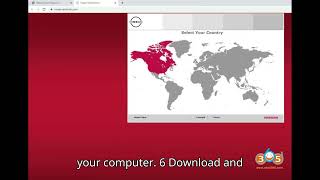
Technical Specifications
OEM Part Numbers: 47660-9N61C 47660-ZY70B 47660-ZY93C 476609N11C 476609N61C 47660ZK41A 47660ZY70B 47660ZY71B 47660ZY90C 47660ZY91C 47660ZY92C 47660ZY93C
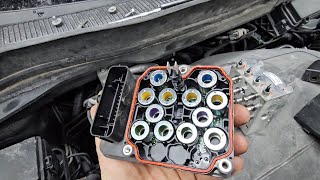
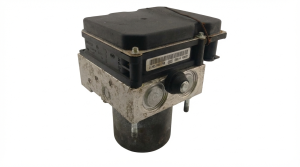
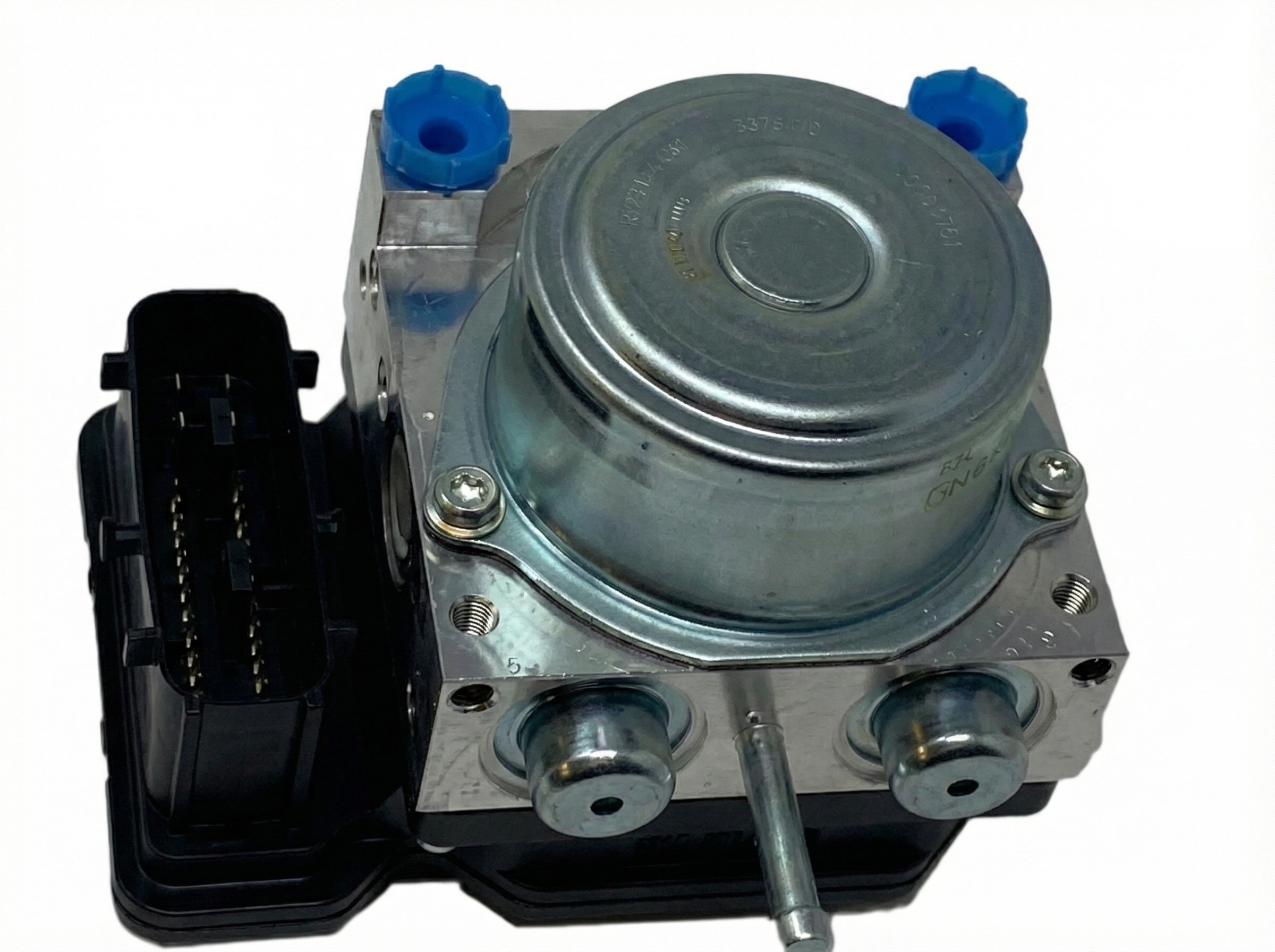
The module assembly consists of an electronic control unit, a hydraulic block with solenoid valves, and an electric pump motor. It connects to the vehicle's CAN data bus for communication with other onboard computers.
We Have This Part in Stock




The information in this article is provided for general reference and educational purposes only. Vehicle specifications, procedures, and part compatibility can vary by production date, trim level, and region. Always consult your vehicle's factory service manual and verify part numbers before purchasing or performing repairs. Safety-critical components such as airbags, seat belts, and braking systems should be installed by a qualified professional.
- Nissan Maxima:
- 🎬 Helpful Videos
- 🛍️ Shop This Part
- Symptoms of a Failing ABS Module
- Common Diagnostic Trouble Codes (DTCs)
- Known Issues, Recalls, and Technical Service Bulletins
- TSB for 2007 Models: Rear Knuckle Corrosion (NTB07-016b)
- Brake Fluid Leak & Fire Risk Recall (For Later Models)
- Understanding 2007-2014 Maxima ABS Module Variations
- Buying a Used ABS Control Module
- Programming and Installation Requirements
- Who Can Program the Module?
- Brake Bleeding Procedure
- Replacement Cost Comparison
- Frequently Asked Questions (FAQ)
- 🎟️ Get 5% Off