

2016-2021 Mazda CX-5 ABS Module: Decoding Part Numbers & Programming
This guide explains the critical part number matching and mandatory programming required when replacing the ABS control module on your 2016-2021 Mazda CX-5.
- Part number matching is critical. The number on the replacement module must exactly match your original part due to variations in vehicle features.
- Programming is not optional. Any replacement ABS module (new or used) must be programmed to your car's VIN to function.
- Symptoms like 'SCBS Malfunction' can also be caused by the forward-facing camera, not just the ABS module. Proper diagnosis is essential.
- A used OEM module that is correctly programmed by a qualified shop is often the most cost-effective and reliable repair solution.
Symptoms of a Failing ABS Module
A failing ABS module can present a variety of symptoms, often illuminating multiple warning lights on your dashboard. Diagnosing the issue correctly is key to avoiding unnecessary parts replacement.
- ABS, Traction Control (TCS), and Stability Control (DSC) Lights: The most common symptom is the illumination of the ABS warning light, often accompanied by the TCS/DSC light (an icon of a car with squiggly lines). This indicates the system has detected a fault and has been disabled.
- Brake Warning Light: Sometimes, the main brake system warning light will also turn on.
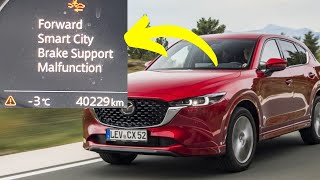
- Advanced Safety System Malfunction Warnings: You may see messages on the infotainment screen or instrument cluster such as "Smart City Brake Support Malfunction," "Smart Brake System Malfunction," or "Front Camera Sensor System Malfunction." While these can indicate a problem with the ABS module, they can also be caused by other issues, like a faulty forward-facing camera. 🎬 Watch: Understanding the Smart City Brake Support malfunction warning.
- Unusual Brake Pedal Feel: The brake pedal may feel different, sometimes described as spongy or requiring more effort to press.
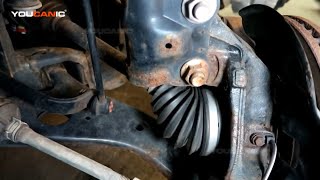
- OBD-II Trouble Codes: A scan tool is essential for diagnosis. Codes specifically pointing to an internal module failure (such as U3000), a pressure sensor failure (C1288), or a communication failure (U0415) are strong indicators of a bad module. Codes related to individual wheel speed sensors (C1145, C1155, etc.) should be investigated first, as a faulty sensor is a more common and simpler fix. 🎬 See how to replace a front ABS wheel speed sensor.
Known Issues, Recalls, and Technical Service Bulletins (TSBs)
While there are no widespread recalls specifically for the ABS control module on these vehicles, there are related issues that can cause identical symptoms, leading to misdiagnosis.
Smart City Brake Support (SCBS) Phantom Braking
A significant known issue for this generation of Mazda vehicles involves the advanced driver-assistance systems, particularly the Smart City Brake Support (SCBS) and Smart Brake Support (SBS). Multiple class-action lawsuits have been filed alleging that the system can falsely detect an obstacle and apply the brakes unexpectedly and forcefully, increasing the risk of a rear-end collision. This is often tied to the forward-sensing camera (FSC) located near the rearview mirror.
A Technical Service Bulletin for earlier models with similar systems (and relevant to the 2016-2021 CX-5) notes that overheating of this camera can cause it to malfunction, triggering multiple warning lights, including the SCBS and master warning lights, and storing a DTC U3000:98. Before condemning the ABS module, it is critical to investigate if the issue is related to the FSC, especially if phantom braking events have occurred.
Warning: The part number on your replacement ABS module MUST exactly match the part number on your original module. Mazda used many different, non-interchangeable modules based on the vehicle's specific features (e.g., with or without automatic emergency braking, with or without pedestrian detection). Installing the wrong module will result in system failure, even after programming.
Buying a Used ABS Control Module
Purchasing a used OEM ABS module can be a cost-effective solution, but careful verification is essential.
- Verify the Part Number: Before purchasing, physically inspect your vehicle's original ABS module and note the part number printed on its label. Compare this number with the used part you intend to buy. Do not rely on year and model alone. Listings for used parts will often show multiple compatible numbers (e.g., K1Y3-43-7A0A, K1Y3-43-7A0B), but the safest bet is an exact match.
- Physical Inspection: When the used part arrives, inspect it for any signs of damage, such as cracks in the plastic housing or corrosion on the electrical connector pins. The module should be clean and free of brake fluid residue.
- Factor in Programming Costs: A used module is not a plug-and-play part. It will require programming to your vehicle's VIN. Contact local independent shops or a dealer beforehand to get a quote for this service so you can factor it into the total cost.
- Why Used OEM is Often Better: For a complex electronic part like this, a used original Mazda part is often preferable to a new, cheap aftermarket alternative. The OEM part is designed to integrate perfectly with the vehicle's other systems, whereas aftermarket modules can have software and communication issues. Given that programming is required anyway, starting with a genuine OEM part reduces the number of potential variables.
Programming and Calibration: The Critical Final Step
You cannot simply install a replacement ABS module and drive away. The module must be electronically configured to your specific vehicle.
- What is Programming?: Programming, often called a Programmable Module Installation (PMI), involves using a diagnostic scan tool to write your vehicle's Vehicle Identification Number (VIN) and specific configuration data to the replacement module. This process syncs the new module with the engine computer, transmission computer, and other systems.
- Who Can Program the Module?:
- Mazda Dealership: A dealer can perform the programming using their proprietary Mazda Diagnostic and Repair System (MDARS). This is the most straightforward but often most expensive option.
- Independent Repair Shop: Many independent shops with advanced diagnostic tools (like a high-end Launch or Autel scanner) can perform the PMI procedure.
- DIY with FORScan: For the advanced DIYer, it is possible to program the module using FORScan software (which requires an extended license) and a compatible OBD-II adapter. The process typically involves saving the "As-Built" data from the original module (if it's still readable) and loading it onto the new one. If the original module is dead, the As-Built data can sometimes be downloaded from Mazda's service website using the VIN. 🎬 Watch: How to reprogram a Mazda ABS module at home.
Pro Tip: Before physically swapping the modules, a technician may first connect the replacement module to the vehicle's wiring harness electronically. This allows them to perform the programming and confirm communication without the messy process of removing the old unit first. If programming is successful, they then proceed with the physical installation and brake bleeding.
Cost Comparison
| Part/Service | Estimated Cost |
|---|---|
| New OEM Module | $600 - $900 |
| New Aftermarket Module | $400 - $700 |
| Used OEM Module | $150 - $450 |
| Remanufactured (Repair Service) | $250 - $400 |
| Shop Labor (Installation, Bleeding & Programming) | $250 - $500 |
| Total Job Cost (Dealer, New OEM) | $1100 - $1500+ |
| Total Job Cost (Indy Shop, Used OEM) | $400 - $950 |
Frequently Asked Questions (FAQ)
Can I drive my CX-5 with a bad ABS module?
Yes, but with significant risk. Your primary hydraulic brakes will still function, but you will not have anti-lock brakes, traction control, or stability control. This means your wheels can lock up during a panic stop, causing a skid and loss of steering control. The advanced safety features like automatic emergency braking will also be disabled. It is strongly recommended to have the issue repaired as soon as possible.
Does a replacement ABS module have to be programmed?
Yes, absolutely. Whether you buy a new or used module, it must be programmed to your vehicle's VIN and specific configuration. Skipping this step will result in a non-functional system and persistent warning lights.
Can my local mechanic replace and program this module?
Most likely, yes, provided they have a modern, professional-grade diagnostic scan tool. The programming procedure is common on modern vehicles. However, you should call and confirm with them first. A shop that also has access to FORScan software is a good sign they are familiar with Mazda-specific procedures.
Do I need to bleed the brakes after replacing the module?
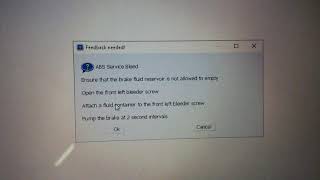
Yes. The replacement process involves disconnecting brake lines from the hydraulic unit, which introduces air into the system. The entire brake system must be bled after installation. This often requires the use of a scan tool to cycle the ABS pump and solenoids to ensure all trapped air is removed from the new module.
Helpful Videos
Technical Specifications
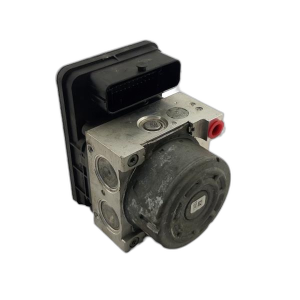
OEM Part Numbers: K123-43-7A0 K123437A0 K1Y3-43-7A0 K1Y3-43-7A0A K1Y3-43-7A0B K1Y3437A0 K1Y3437A0A K1Y3437A0B KA0G437A0A KA0G437A0B KAY1437A0 KAY1437A0A KAY1437A0B KAY1437A0C KBY0-43-7A0 KBY1-43-7A0 KSY1-43-7A0 KN0W-43-7A0 KNY2-43-7A0 KL2J-43-7A0A KL2K-43-7A0A KLYJ-43-7A0
Varies by part number. Module must be matched to vehicle's specific equipment (e.g., Smart City Brake Support, Pedestrian Detection, FWD/AWD).
We Have This Part in Stock





The information in this article is provided for general reference and educational purposes only. Vehicle specifications, procedures, and part compatibility can vary by production date, trim level, and region. Always consult your vehicle's factory service manual and verify part numbers before purchasing or performing repairs. Safety-critical components such as airbags, seat belts, and braking systems should be installed by a qualified professional.
- Mazda CX-5:
- 🎬 Helpful Videos
- 🛍️ Shop This Part
- Symptoms of a Failing ABS Module
- Known Issues, Recalls, and Technical Service Bulletins (TSBs)
- Smart City Brake Support (SCBS) Phantom Braking
- Buying a Used ABS Control Module
- Programming and Calibration: The Critical Final Step
- Cost Comparison
- Frequently Asked Questions (FAQ)
- 🎟️ Get 5% Off