

2007-2011 Lexus RX350 ABS Module: Compatibility, Recalls, and Replacement Guide
This guide clarifies the complex compatibility of ABS modules for the 2007-2011 Lexus RX350 and explains the necessary steps for a successful replacement.
- Compatibility is extremely specific; you must match the part number from your old module exactly.
- A replacement module (new or used) will require programming and a special ABS brake bleeding procedure using a scan tool.
- Failure of the module disables ABS, traction control, and stability control, significantly reducing vehicle safety in emergency maneuvers.
- Before replacing the module, verify your battery and alternator are in good health, as electrical issues can mimic ABS module failure.
Key Compatibility Warnings for 2007-2011 Lexus RX350

Warning: Compatibility for the 2007-2011 Lexus RX350 ABS module is highly specific and confusing. Ordering the wrong part is very common. The initial data provided for this vehicle range contained conflicting information, highlighting the difficulty in finding the correct part. Please verify your vehicle's production date, drive type (AWD or FWD), and options like adaptive cruise control before ordering. The part numbers often vary by production year and specific equipment.
Symptoms of a Failing ABS Module

A failing ABS module will almost always trigger warning lights on your dashboard. Look for these common signs:
- ABS Warning Light: This is the most direct indicator of a problem with the anti-lock braking system.
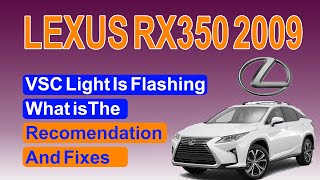
- VSC and TRAC Lights: 🎬 Watch: Recommendations for fixing a flashing VSC light Since the systems are integrated, a fault in the ABS module will usually disable the Vehicle Stability Control and Traction Control systems, illuminating their respective warning lights.
- Unresponsive or Spongy Brake Pedal: You might feel a change in how the brake pedal responds, requiring more effort to stop the vehicle.
- Brake Light Stays On: A persistent brake warning light can also be related to an ABS fault.
- Speedometer Malfunction: In some cases, a failing ABS module can interfere with the vehicle speed signal, causing the speedometer to stop working.
- Audible Buzzing or Pump Noise: You may hear the ABS pump running continuously from the engine bay, even when the brakes are not being applied.
Common diagnostic trouble codes (DTCs) associated with a failing ABS module include C0205 (wheel speed sensor circuit fault), C1223 (ABS control system malfunction), 🎬 See how to diagnose C1223 and wheel speed sensor faults C1401 (ABS motor malfunction), and U0121 (Lost Communication with ABS Control Module). A proper diagnosis with an OBD-II scanner capable of reading ABS codes is essential.
Known Issues, Recalls, and Technical Service Bulletins (TSBs)

While the 2007-2011 RX350 has been generally reliable, there are some documented issues related to the braking system.
- Safety Recall BLF (2011 Models): Lexus issued a recall for 32 specific 2011 RX350 vehicles equipped with Vehicle Dynamics Integrated Management (VDIM). The brake actuator had an incorrect calibration, which could lead to improper control of the right front wheel during ABS or VSC activation, potentially increasing stopping distances. The remedy was to replace the brake actuator assembly at no charge.
- Safety Recall ELA (2012-2013 Models): While slightly outside this year range, it's worth noting a recall for 2012-2013 RX350 models involved reprogramming the brake actuator software. This indicates Lexus has addressed software and calibration issues in this generation's braking system.
- General Electrical Issues: Forum discussions suggest that sometimes, ABS-related warning lights can be triggered by a failing battery or alternator, which can cause voltage ripples that confuse the sensitive electronics in the ABS module. It is wise to ensure the battery and charging system are healthy before condemning the ABS module.
Buying a Used ABS Control Module

Given the high cost of a new OEM module, a used unit is a popular and practical choice. Here’s what to look for:
- Match Part Numbers Exactly: This is the most critical step. Do not rely on year and model alone. Find the part number on your original module and match it precisely to the used part you are buying. Different numbers exist for AWD, FWD, and models with or without adaptive cruise control.
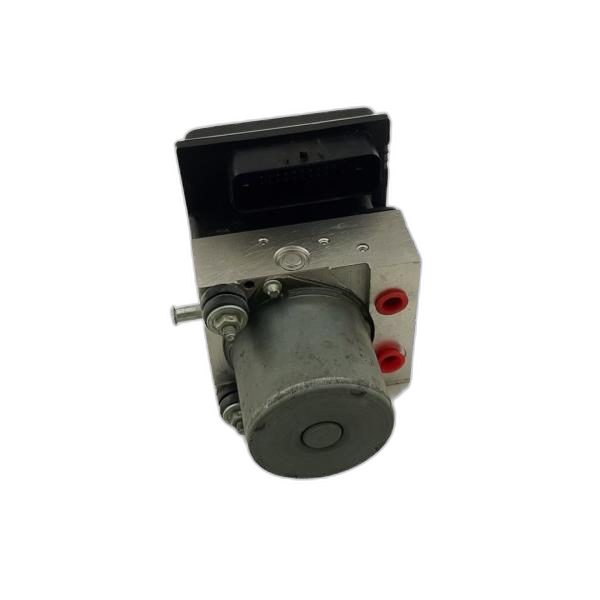
- Inspect for Physical Damage: Check the electrical connector pins for any signs of corrosion, bending, or damage. Ensure the housing is not cracked and that the brake line ports are clean and not stripped.
- Source from Reputable Sellers: Purchase from sellers who offer a warranty and have good reviews. This provides some protection if the part is defective.
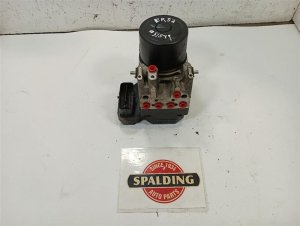
- Understand the Terminology: The part is often sold as an assembly, including the electronic control module and the hydraulic pump/actuator. They are typically replaced as a single unit.
Pro Tip: Repairing your original module is sometimes an option. This can be cheaper than buying new and avoids programming issues, as the original programming is retained.
Programming and Installation
Replacing the ABS module is a multi-step process that requires mechanical and electronic work.
Does the module need to be programmed?
Yes, in most cases, a replacement ABS module (whether new or used) will need to be programmed or initialized to the vehicle. This process syncs the module to your car's specific VIN and options. A specialized diagnostic tool, like Toyota's Techstream software, is typically required to perform this and other necessary calibrations, such as the "zero point calibration" for the steering angle and G-force sensors. While some advanced DIY scanners may have these functions, this step is often best left to a professional shop or dealer.
Installation and Brake Bleeding
The physical replacement involves disconnecting the battery, unplugging the electrical connector, and carefully removing the brake lines using a flare nut wrench to avoid stripping the fittings. After installing the new module, the entire brake system must be bled to remove air. This is a critical safety step. A standard brake bleed procedure is followed by an "ABS bleed," which requires a scan tool to cycle the ABS pump and solenoids to purge any trapped air from the module itself. Skipping the ABS bleed will result in a spongy pedal and compromised brake performance.
Cost Comparison
Prices can vary significantly based on the source and condition of the part.
| Part Type | Estimated Cost (Part Only) |
|---|---|
| New OEM | $1300 - $3500+ |
| New Aftermarket | Not commonly available |
| Used OEM | $200 - $450 |
| Remanufactured | $250 - $600 |
Frequently Asked Questions
Can I drive my RX350 with a bad ABS module?
Yes, but with significant risk. Your standard hydraulic brakes will still function, but you will not have anti-lock brakes (ABS), traction control (TRAC), or vehicle stability control (VSC). This means your wheels can lock up during a hard stop, increasing stopping distances and making it possible to lose steering control, especially on wet or slippery roads.
Do I have to bleed the brakes after replacing the ABS module?
Yes, absolutely. Because you are opening the hydraulic system by disconnecting the brake lines, air will enter the system. You must perform a full brake bleed, including a special procedure using a scan tool to cycle the ABS pump, to ensure all air is removed. Failure to do so will result in a spongy brake pedal and unsafe braking performance.
Can an independent mechanic program a used Lexus ABS module?
Yes, many independent shops that specialize in Japanese vehicles or have advanced diagnostic tools (like a professional-grade Snap-on or Autel scanner, or Toyota Techstream software) can program and calibrate a replacement ABS module. It is not strictly a dealer-only procedure, but you should confirm the shop has the necessary equipment before having the work done.
Why are my ABS, VSC, and TRAC lights all on at the same time?
These three systems are interconnected and all rely on information from the ABS module and its wheel speed sensors. When the main computer detects a fault within the ABS system, it automatically disables the related VSC and TRAC systems as a safety precaution because they cannot function correctly without reliable data. This results in all three warning lights illuminating simultaneously.
Helpful Videos

Technical Specifications
OEM Part Numbers: 440500E051 4405048140 4405048230 44540-48140
Requires DOT 3 or DOT 4 brake fluid. The system requires a specialized ABS bleed procedure with a diagnostic scan tool after component replacement.
We Have This Part in Stock



The information in this article is provided for general reference and educational purposes only. Vehicle specifications, procedures, and part compatibility can vary by production date, trim level, and region. Always consult your vehicle's factory service manual and verify part numbers before purchasing or performing repairs. Safety-critical components such as airbags, seat belts, and braking systems should be installed by a qualified professional.
- Lexus RX350:
- 🎬 Helpful Videos
- 🛍️ Shop This Part
- Key Compatibility Warnings for 2007-2011 Lexus RX350
- Symptoms of a Failing ABS Module
- Known Issues, Recalls, and Technical Service Bulletins (TSBs)
- Buying a Used ABS Control Module
- Programming and Installation
- Does the module need to be programmed?
- Installation and Brake Bleeding
- Cost Comparison
- Frequently Asked Questions
- 🎟️ Get 5% Off