

2006 Lexus GS300 ABS Module: RWD, Pre-Crash System & Calibration Explained
This guide covers the common failures, critical compatibility warnings, and post-installation calibration required for the 2006 Lexus GS300 ABS control module.
- Compatibility is critical: You MUST match both the drivetrain (RWD) and whether your car has the optional Pre-Crash System.
- Post-installation calibration is required: A 'Zero Point Calibration' must be performed using a scan tool or a manual jumper wire procedure.
- A new OEM module is extremely expensive ($3,000+), making a verified used OEM part a much more economical choice.
- Symptoms are often multiple dashboard lights (ABS, VSC, BRAKE), but always rule out a bad battery or faulty wheel speed sensor first.
Symptoms of a Failing ABS Control Module
When the ABS module in a 2006 Lexus GS300 begins to fail, it typically announces the problem with a distinct set of warning lights on the dashboard. Because the module integrates multiple safety systems, a single fault can trigger several alerts simultaneously.
- ABS, VSC, and Brake Warning Lights: The most common symptom is the illumination of the ABS, VSC (Vehicle Stability Control), and the main brake warning lights on the instrument cluster. Often, these lights will appear together after starting the car or during a low-speed maneuver.
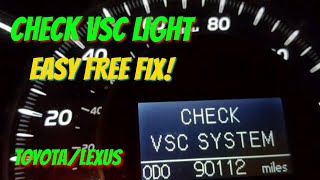
- "Check VSC" Message: A "Check VSC" message may appear on the multi-information display.
- Red Triangle Warning Light: In some cases, the general red triangle warning light may also illuminate, indicating a significant system fault.
- Unusual Noises or Brake Pedal Feel: While less common for a purely electronic failure, a fault within the attached pump and motor assembly can cause buzzing noises or a spongy brake pedal feel. In some cases, the ABS may activate unnecessarily at low speeds. 🎬 Watch: Fix low-speed ABS activation and pedal buzz
- No Communication with Scan Tool: A completely failed module may not be able to communicate with a diagnostic scan tool, making it impossible to read fault codes. 🎬 See: How to read Lexus ABS and VSC codes
Common Diagnostic Trouble Codes (DTCs)
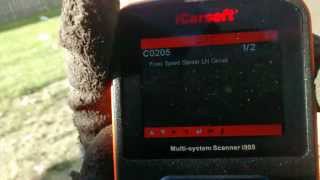
A professional scan tool that can read chassis codes (often starting with 'C') is required for proper diagnosis. While a generic OBD-II reader might not show any codes, a more advanced tool may find codes related to the ABS pump motor, wheel speed sensors, or internal module faults. A common code related to steering calibration after suspension work is C1290.
Important: A weak or failing battery can cause low voltage issues that trigger multiple warning lights, including ABS and VSC, even if the module itself is fine. Always ensure your battery and charging system are in good health before condemning the ABS module.
Known Issues, Recalls, and Technical Service Bulletins (TSBs)
While there are no specific recalls for the ABS control module itself on the 2006 GS300, there was a significant safety recall related to the braking system that owners should be aware of.
- NHTSA Campaign 10V499000 (Lexus Recall 9LG): Issued in October 2010, this recall addressed a condition where using non-genuine Toyota/Lexus brake fluid could cause an internal seal in the brake master cylinder to dry out and leak. This could lead to a slow loss of brake fluid, illumination of the brake warning light, and a gradual decline in braking performance. While not a direct fault of the ABS module, it affects the overall brake system and involves similar warning lights.
- NHTSA Campaign 07V-545000: This recall concerned potential fuel leaks from fuel pipes in the engine compartment on some 2006 GS300 models. It is unrelated to the ABS system.
Programming and Calibration Requirements
Yes, a replacement ABS module requires calibration after installation. This is not a simple plug-and-play part. The procedure is known as Zero Point Calibration.
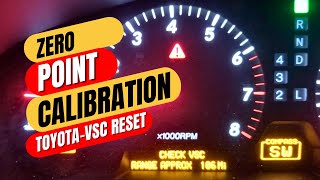
Zero Point Calibration is a process that resets and initializes the learning values for the steering angle sensor and the yaw rate sensor within the ABS/VSC computer. This procedure is necessary to ensure the VSC system knows the vehicle's straight-ahead position and its rate of rotation. It must be performed anytime the ABS module is replaced, or after suspension work or a wheel alignment.
This calibration can be performed in two ways:
- Using a Diagnostic Scan Tool: The preferred method is using the Toyota/Lexus Techstream software or a compatible professional scan tool to initiate the calibration process.
- Manual Jumper Wire Method: It is also possible to perform the calibration without a scan tool by using a paperclip or jumper wire to connect specific pins (terminals 4 and 13, or Ts and CG) on the OBD-II diagnostic port under the dashboard. This puts the system into a diagnostic mode, allowing you to clear old data and record the new zero point. This must be done on a perfectly level surface with the steering wheel centered. 🎬 Watch: Step-by-step manual Zero Point Calibration
Pro Tip: Many independent shops that specialize in Toyota/Lexus vehicles have the necessary tools and knowledge to perform the Zero Point Calibration. A dealership visit is not always required.
Buying a Used 2006 Lexus GS300 ABS Module
Given the extremely high cost of a new OEM module, a used unit is a very popular and cost-effective solution. However, careful selection is critical to avoid compatibility issues.
Compatibility: The #1 Thing to Check
The single most important factor is ensuring the module is compatible with your specific vehicle configuration. For the 2006 GS300, there are two crucial distinctions:
- Drivetrain: The module is specific to either Rear-Wheel Drive (RWD) or All-Wheel Drive (AWD) models. They are not interchangeable.
- Pre-Crash/Pre-Collision System (PCS): This is the biggest trap for buyers. The 2006 GS300 was available with an optional Pre-Collision System, which uses a millimeter-wave radar sensor in the front grille (behind the Lexus emblem) to detect potential collisions. Vehicles with PCS use a different ABS module than vehicles without it. You MUST match this configuration. The provided OEM part numbers (44050-30160, 44510-30100) are for RWD models WITHOUT the Pre-Crash System.
How to Verify Compatibility:
- Check Your Vehicle: Does your car have the Pre-Collision System? The radar sensor is located behind the Lexus logo on the front grille. If your grille emblem is a solid piece of plastic rather than an open design, you likely have PCS. You can also check your vehicle's original window sticker or specifications.
- Match the Part Number: The best way to ensure a perfect match is to physically inspect the original ABS module in your vehicle and match its part number to the used unit you are buying. The part number is typically on a sticker on the electronic module or the pump body.
Physical Inspection
When buying a used module, inspect it for:
- No Physical Damage: Look for cracks in the plastic housing or dents in the metal pump body.
- Clean Connectors: The electrical connector pins should be straight and free of corrosion.
- Intact Brake Line Ports: Ensure the threaded ports for the brake lines are clean and not cross-threaded.
Cost of Replacement
The cost to replace the ABS module can vary dramatically depending on the part source.
| Part Type | Estimated Cost |
|---|---|
| New OEM | $3,100 - $3,400 |
| New Aftermarket | Not commonly available |
| Used OEM | $50 - $150 |
| Remanufactured | $500 - $800 |
| Shop Labor | $150 - $250 |
| Diagnostic Labor | $110 - $161 |
Note: Labor costs include installation, bleeding the brake system, and performing the Zero Point Calibration. Prices are estimates and will vary by location and shop.
Frequently Asked Questions (FAQ)
Can I drive my 2006 GS300 with a bad ABS module?
Yes, but with extreme caution. A failed ABS module means the anti-lock braking, traction control, and vehicle stability control systems are all disabled. Your conventional brakes will still work, but the wheels can lock up during hard braking, increasing the risk of skidding, especially on wet or slippery roads. It is highly recommended to have the issue repaired as soon as possible.
Do I need to bleed the brakes after replacing the ABS module?
Yes. The ABS module (also called the actuator or pump assembly) is a hydraulic component. When you disconnect the brake lines to replace it, air enters the system. The entire brake system must be thoroughly bled to remove all air bubbles and ensure proper brake function and a firm pedal feel.
What is the difference between the ABS module and the ABS pump?
For the 2006 GS300, these components are typically sold as a single, integrated assembly. The 'pump' or 'actuator' is the hydraulic block with the motor that modulates brake pressure. The 'module' is the electronic computer that controls the pump. When you buy a used or new part, you are generally getting the complete assembly.
My mechanic says the problem is a wheel speed sensor. Could that be it?
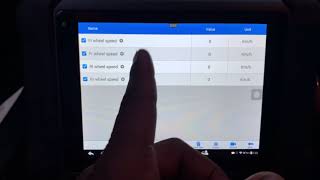
Yes, absolutely. A faulty wheel speed sensor can cause the exact same symptoms as a bad ABS module, including the ABS, VSC, and brake lights illuminating. A proper diagnosis with a scan tool that can read live data from each wheel speed sensor is essential to pinpoint the exact cause before replacing expensive parts.
Helpful Videos

Technical Specifications
OEM Part Numbers: 44050-30160 4405030160 44510-30100 44540-30100 89541-30260
Fits Rear-Wheel Drive (RWD) models without the optional Pre-Crash/Pre-Collision Safety System (PCS).
We Have This Part in Stock


The information in this article is provided for general reference and educational purposes only. Vehicle specifications, procedures, and part compatibility can vary by production date, trim level, and region. Always consult your vehicle's factory service manual and verify part numbers before purchasing or performing repairs. Safety-critical components such as airbags, seat belts, and braking systems should be installed by a qualified professional.
- Lexus GS300:
- 🎬 Helpful Videos
- 🛍️ Shop This Part
- Symptoms of a Failing ABS Control Module
- Common Diagnostic Trouble Codes (DTCs)
- Known Issues, Recalls, and Technical Service Bulletins (TSBs)
- Programming and Calibration Requirements
- Buying a Used 2006 Lexus GS300 ABS Module
- Compatibility: The #1 Thing to Check
- Physical Inspection
- Cost of Replacement
- Frequently Asked Questions (FAQ)
- 🎟️ Get 5% Off