

2012-2017 Acadia, Enclave, Traverse ABS Module: Programming, Codes & Replacement
Diagnose your flashing ABS and StabiliTrak lights and understand the critical programming requirements before buying a replacement module for your GMC Acadia, Buick Enclave, Chevrolet Traverse, or Cadillac XT5.
- Programming is mandatory for all replacement modules (new or used) to match your vehicle's VIN.
- Compatibility is critical; you must match the part number and know if your vehicle has variable assist power steering (RPO code NV7).
- You can often replace just the electronic module without opening the brake hydraulic system, saving time and effort.
- Driving with a failed ABS module disables anti-lock brakes, traction control, and stability control, significantly reducing vehicle safety in emergency situations.
Symptoms of a Failing ABS Control Module
When the ABS control module begins to fail in a 2012-2017 GMC Acadia, Buick Enclave, Chevrolet Traverse, or a 2017 Cadillac XT5, you will likely notice several distinct warnings on your dashboard. These symptoms indicate that the vehicle's primary safety systems are compromised.
- ABS Warning Light: This is the most common and direct indicator of a problem within the anti-lock braking system.
- Traction Control/StabiliTrak Light: Because the ABS module controls these systems, its failure will disable them, illuminating their respective warning lights on the dash. You may also see a "Service StabiliTrak" or "Service Traction Control" message.
- Unresponsive or Hard Brake Pedal: In some cases, a failing module can affect the feel of the brake pedal, making it feel unusually hard to press or unresponsive.
- Brakes Locking Up: The primary function of ABS is to prevent wheel lock-up. If the module fails, the system is disabled, and the wheels can lock and skid during hard braking, especially on wet or icy roads.
- Inaccurate Speedometer: The ABS module processes wheel speed data, which can sometimes be shared with other vehicle systems, including the speedometer. A faulty module can occasionally lead to an erratic or non-functional speedometer.
Common Diagnostic Trouble Codes (DTCs)
A professional scan tool that can read ABS codes is necessary for proper diagnosis. Common codes pointing to a faulty module or related components include:
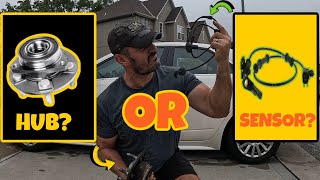
- C0045, C0050: These codes relate to the left rear and right rear wheel speed 🎬 Watch: How to diagnose and fix C0045 and C0050 codes sensor circuits, respectively. While they can indicate a bad sensor, they can also be triggered by a faulty module or a wiring issue.
- U0121: Lost Communication With Anti-Lock Brake System (ABS) Control Module.
- C0161: ABS/TCS Brake Switch Circuit. This can sometimes be set due to a faulty brake light switch but should be diagnosed in conjunction with other ABS symptoms.
- C1241: This code may appear on vehicles with variable effort steering, indicating a circuit malfunction related to that system, which is tied into the EBCM.
Known Issues, TSBs, and Recalls
While there are no widespread recalls specifically for the ABS control module on these vehicles, there are related service bulletins and recalls to be aware of.
- TSB PIT4946A: For 2008-2012 models, this bulletin addresses intermittent ABS lights, "Service StabiliTrak" messages, and various communication codes (including C0045, C0050, U0121). The cause is often a wiring harness chafing on a stud in the right front floor/cowl area, leading to short circuits. While this TSB applies to the early years of this platform, similar wiring issues can occur on later models.
- NHTSA Recall 23V334: Affects 2014-2017 Buick Enclave, Chevrolet Traverse, and GMC Acadia models. This recall is for a defective driver's side airbag inflator that can rupture during deployment. While not directly related to the ABS module, it is a critical safety recall for these vehicles.
- NHTSA Recall 16V291000: This recall affects certain 2017 Cadillac XT5 and GMC Acadia vehicles for a front brake caliper piston seal that may be torn or misaligned, potentially causing a brake fluid leak.
Compatibility and Part Number Verification
Matching the correct ABS module to your vehicle is critical. There are several variations based on specific vehicle options. Using the wrong module can result in system malfunctions even after programming.
Key Compatibility Factors:
- Variable Assist Power Steering (RPO Code: NV7): The most significant variation is whether your vehicle is equipped with variable-assist power steering. The ABS module is different for vehicles with and without this feature. You can find your vehicle's RPO codes on the silver "Service Parts Identification" sticker, usually located in the glove box.
- 2017 GMC Acadia vs. Acadia Limited: In 2017, GMC sold two different versions of the Acadia. This part fits the Acadia Limited, which is the older body style, a continuation of the 2012-2016 generation. It does NOT fit the redesigned 2017 Acadia.
- Pre-Crash Systems: Some modules are specific to vehicles with or without advanced pre-crash or collision avoidance systems.
Warning: Always match the OEM part number from your original module to the replacement part. Do not rely on year, make, and model alone due to these option-based differences.
Programming and Calibration Requirements
Critical: A replacement ABS control module—whether it is new, used, or remanufactured—MUST be programmed to your vehicle's Vehicle Identification Number (VIN). This is not an optional step.
Modern ABS modules are integrated with the vehicle's computer network. Programming syncs the replacement module with your car's specific features and VIN. Failure to program the module will result in warning lights, error codes, and a non-functional ABS and stability control system.
Who Can Program the Module?
- GM Dealership: Dealers have the required tools and software (GM Techline Connect / SPS2) to perform the programming.
- Qualified Independent Shop: Many independent repair shops that specialize in GM vehicles have the necessary J2532 pass-thru tools and software subscriptions to program modules.
- DIY Not Recommended: Programming is not possible with standard OBD-II code readers. It requires specialized hardware and a paid subscription to GM's service software.
Pro Tip: When programming a used module, the technician must select the "Replace and Reprogram" option in the GM software, not just "Program." This is the key to successfully installing a used part.
Buying a Used ABS Control Module
Purchasing a used OEM ABS module is a cost-effective way to repair your vehicle. However, there are important factors to consider to ensure you get a good, compatible part.
- Verify the Part Number: Before purchasing, remove your original module and get the exact OEM part number printed on its label. Match this number precisely with the used part you intend to buy.
- Inspect the Connectors: Check the electrical connector pins on the used module for any signs of corrosion, moisture, or damage. A module with corroded pins should be avoided.
- Confirm Compatibility: Double-check that the donor vehicle had the same key options as yours, especially the presence or absence of variable assist power steering (NV7).
- Plan for Programming: Factor in the cost of programming. Call local dealerships or independent shops beforehand to get a quote for programming a customer-supplied used ABS module. Some shops may be hesitant, so it's best to confirm before you buy.
- Why Used OEM is a Good Choice: Used original equipment (OEM) modules are often more reliable than cheap aftermarket alternatives. They are built to the manufacturer's exact specifications and, once programmed, will integrate seamlessly with your vehicle's systems.
Cost of Replacement
The cost to replace an ABS control module can vary significantly depending on the source of the part and labor rates.
| Part/Service | Estimated Cost | Notes |
|---|---|---|
| New OEM Module | $1,900 - $2,900+ | Purchased from a dealership. Very expensive. |
| New Aftermarket Module | $300 - $600 | Availability may be limited, and compatibility can be an issue. |
| Used OEM Module | $150 - $400 | A cost-effective option, but requires careful part number matching and programming. |
| Remanufactured Module | $200 - $500 | Your original module is sent out for repair. This avoids programming issues as it's returned for the same vehicle. |
| Shop Labor (Physical Swap) | $150 - $300 | This involves removing the old module and installing 🎬 Watch: How to swap the ABS module without bleeding brakes the replacement. |
| Shop Labor (Programming) | $125 - $250 | This is a separate charge for using the specialized scan tool to sync the module to the car. |
Total Estimated Cost (with Used OEM Part): $425 - $950 (Part + Swap Labor + Programming)
Total Estimated Cost (with New OEM Part): $2,396 - $3,349+ (Part + Labor + Programming)
Frequently Asked Questions (FAQ)
Can I replace just the electronic module or do I have to replace the whole pump?
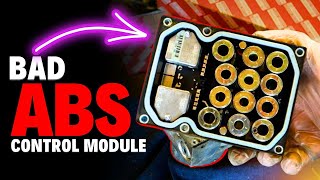
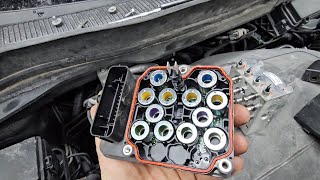
Yes, in most cases you can replace just the electronic control module (the black plastic part) without replacing the entire hydraulic pump assembly (the metal block with brake lines). The module is typically held onto the pump with several Torx screws. This avoids the need to open the hydraulic system and bleed the brakes.
Can I drive my vehicle with a bad ABS module?
Yes, but with significant risks. Your standard hydraulic brakes will still function, but you will not have anti-lock brakes, traction control, or stability control. This means your wheels can lock up during a panic stop, increasing the risk of skidding and losing control, especially on slippery surfaces. It is highly recommended to get the module replaced as soon as possible.
Will a used ABS module from a junkyard work?
Yes, a used module can work perfectly, provided two conditions are met: 1) The part number is an exact match to your original module, and 2) It is properly reprogrammed to your vehicle's VIN after installation. Skipping the programming step will result in a non-functional system.
Why are my ABS, traction control, and StabiliTrak lights all on at the same time?
These three systems are all controlled by the same computer: the ABS control module. When the module fails or detects a critical fault in the system (like a bad wheel speed sensor), it shuts down all related safety functions as a precaution, causing all three warning lights to illuminate.
Helpful Videos
Technical Specifications
OEM Part Numbers: 20761340 20761343 20761339 20761344 22822156 22912779 23276842 23407415 84057104 84173388 84289459
Varies based on vehicle options, primarily with or without Variable Assist Power Steering (RPO NV7).
We Have This Part in Stock



The information in this article is provided for general reference and educational purposes only. Vehicle specifications, procedures, and part compatibility can vary by production date, trim level, and region. Always consult your vehicle's factory service manual and verify part numbers before purchasing or performing repairs. Safety-critical components such as airbags, seat belts, and braking systems should be installed by a qualified professional.
- GMC Acadia:
- Buick Enclave:
- Chevrolet Traverse:
- Cadillac XT5:
- GMC Acadia Limited:
- 🎬 Helpful Videos
- 🛍️ Shop This Part
- Symptoms of a Failing ABS Control Module
- Common Diagnostic Trouble Codes (DTCs)
- Known Issues, TSBs, and Recalls
- Compatibility and Part Number Verification
- Key Compatibility Factors:
- Programming and Calibration Requirements
- Who Can Program the Module?
- Buying a Used ABS Control Module
- Cost of Replacement
- Frequently Asked Questions (FAQ)
- 🎟️ Get 5% Off